We use cookies to provide you with the best possible experience. They also allow us to analyze user behavior in order to constantly improve the website for you.
The consent is voluntary. You can withdraw it at any time or renew it in Cookie settings on the home page. Withdrawal of your consent does not affect the lawfulness of processing performed before the withdrawal.
Privacy Protection Policy
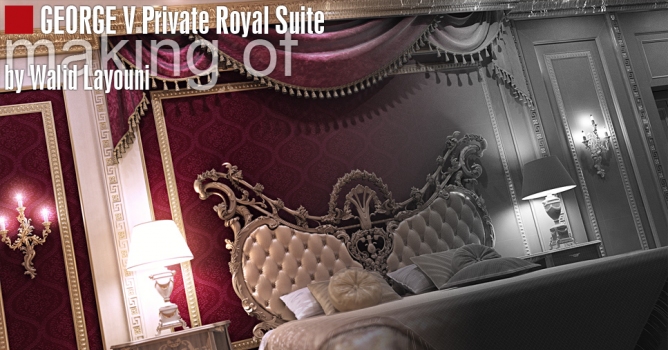
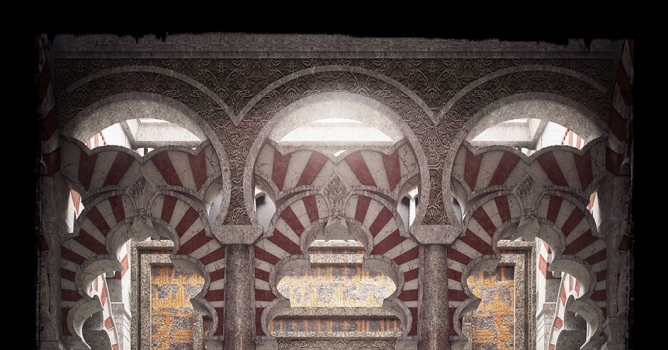
Regarding modeling, there is nothing special in the creation of this image, all the techniques being used are standard, and are part of the software used, no plugin in particular, 3dsMax 2012 for all that architectural and furniture and Maya 2012 for all what is drapery.
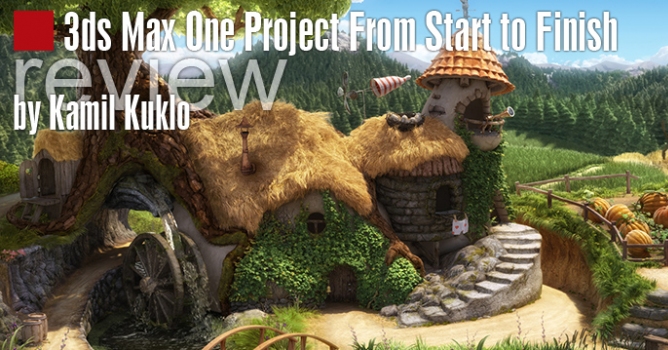
"3ds Max One Project From Start to Finish" is a beautifully edited, over 450 pages book made by Odessa ukrainian visualisation house cat-a-pult. A group of experienced graphics decided to write "the most comprehensive guide (...) ever produced" for readers at all skill levels.
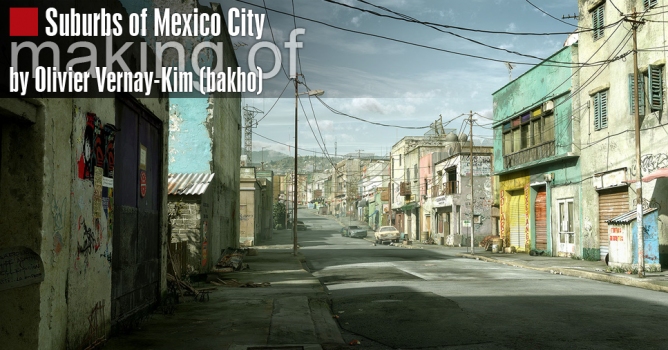
I originally made this environment for a Ghost Recon 3 (Advanced Warfighter) trailer in 2005. It's an imaginary street supposed to be in a poor suburban area of a Mexico City ravaged by war.
In this tutorial I will present some basic post production techniques that may improve the final look of your renders. I was using Photoshop CS4 but most of the presented tricks can be achieved in any decent 2D editing software.
First of all thank you for reading this! Since this particular project is consisted of 10 completely different scenes I chose to explain the crucial parts instead of walking you through with only one scene.
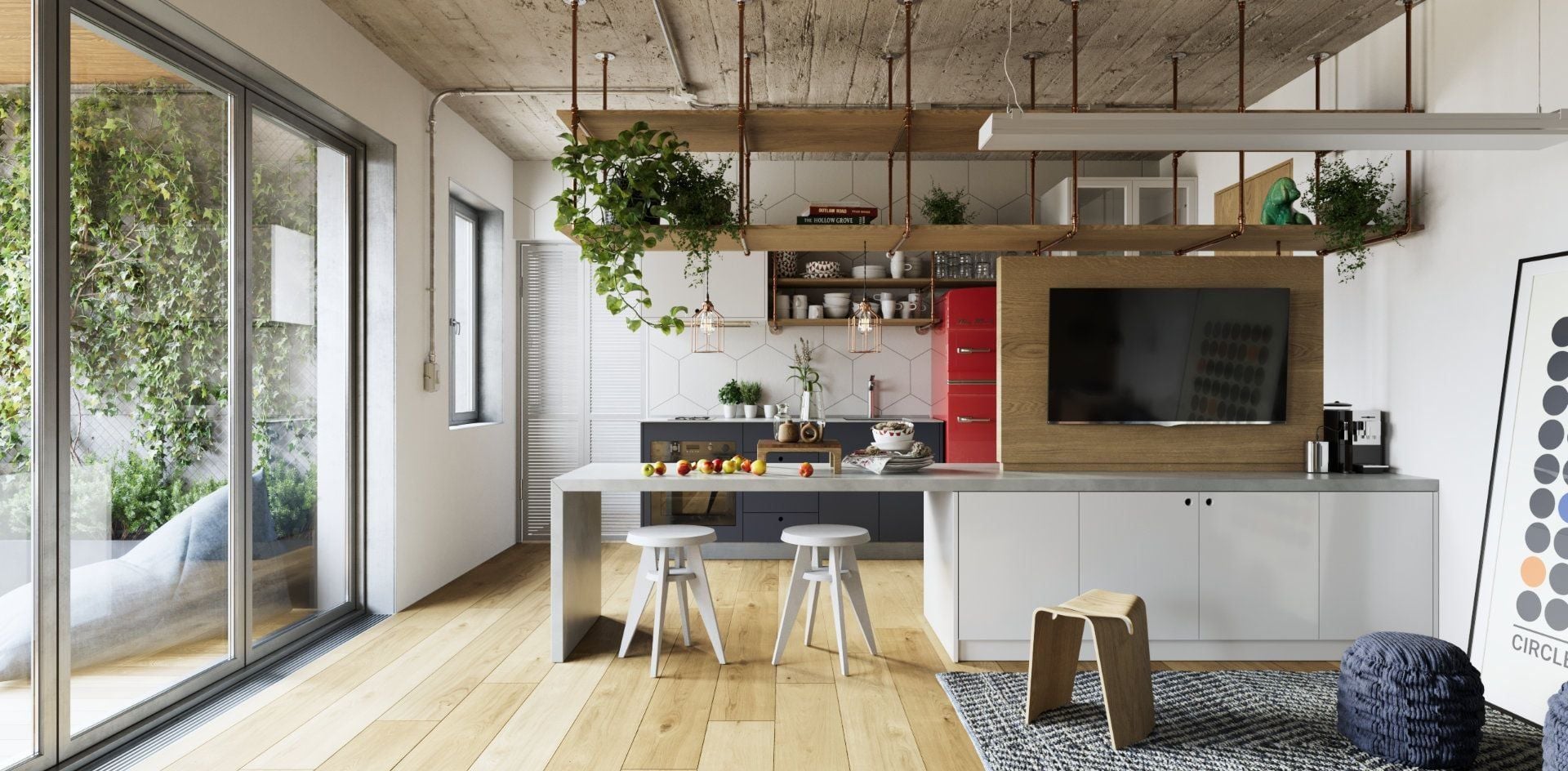
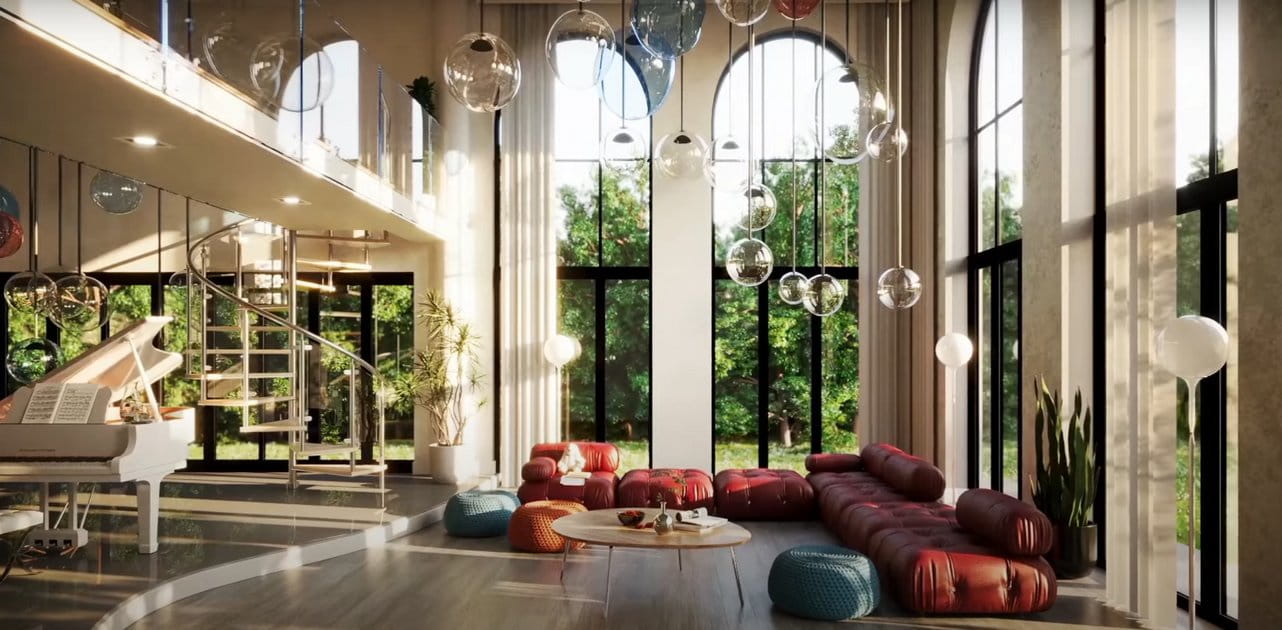
In this walkthrough, we guide you through the process of building a polished 3D interior scene inspired by the cover of Archmodels vol. 306 – Table Sets.