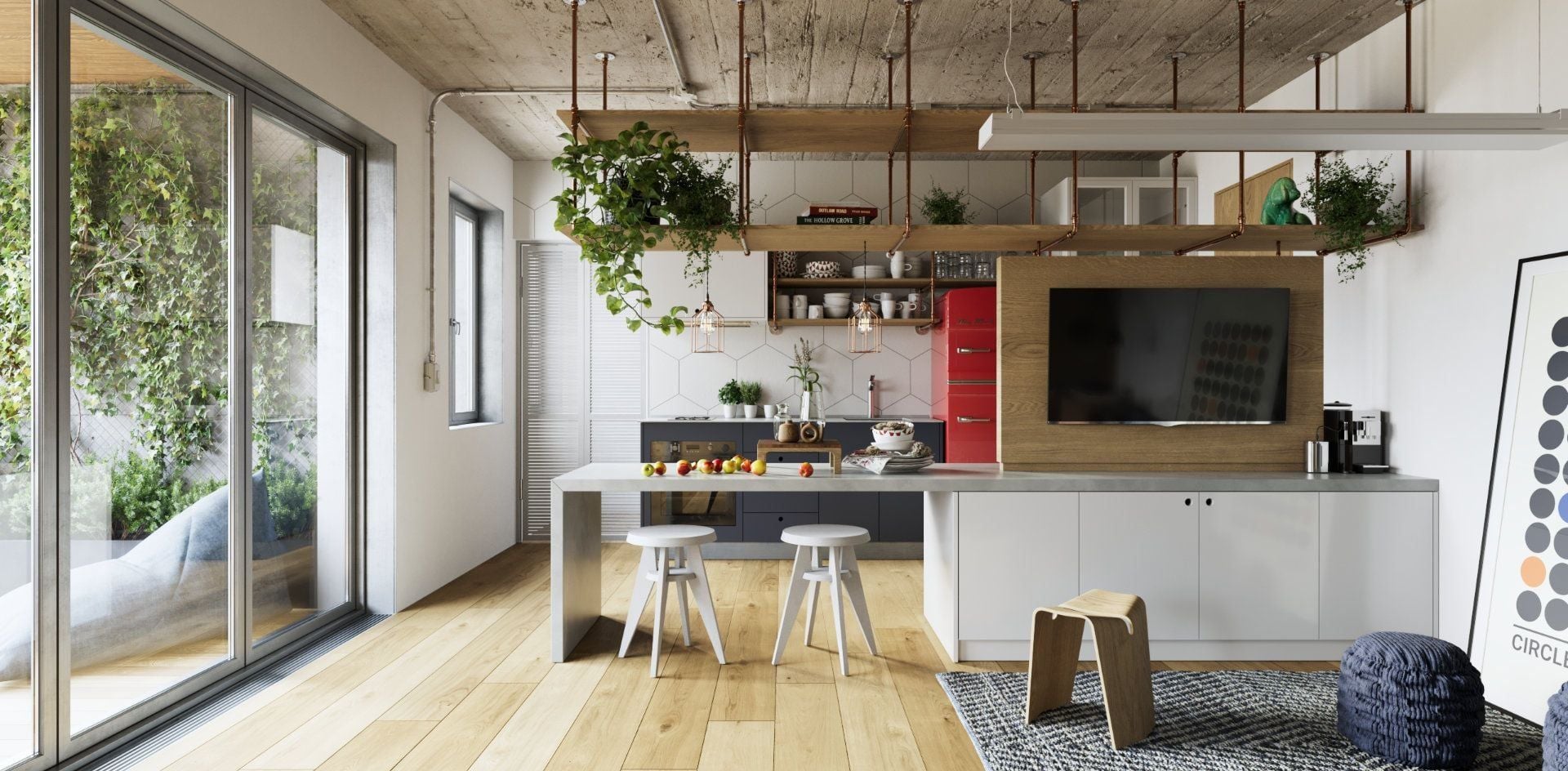
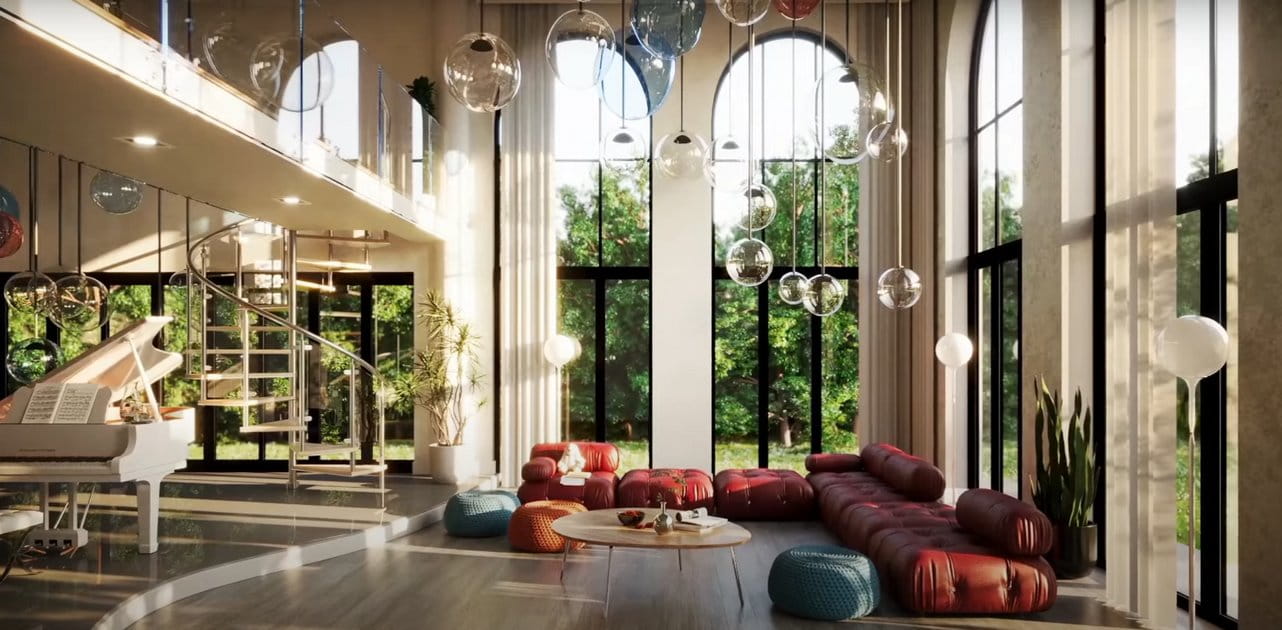
SketchUp 2025–2026 has added native PBR materials, AI image generation, and real-time rendering plugins like Lumion View, letting archviz artists produce photorealistic images without leaving the viewport. This collapses the traditional design-to-render pipeline.
AI Render is the quickest entry point. According to Trimble, it uses text prompts and preset styles applied to your SketchUp viewport to generate images in 13–20 seconds at a cost of 10 credits per image. The release notes say the Nano Banana model now "deliver[s] better results for both interior and exterior visualisations," with camera angles, geometry, and material details "accurately reflected in every generated image." This is not Diffusion—SketchUp's earlier generative tool from December 2023—but a refinement aimed at architectural specificity.
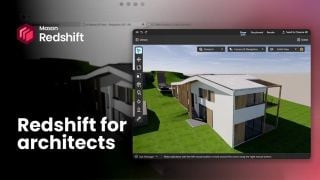
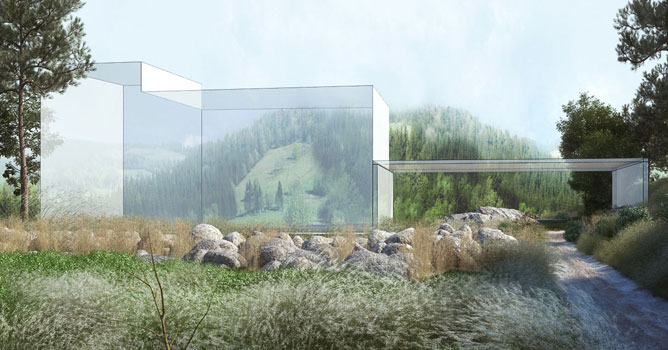
Lumion View offers continuous real-time preview instead. Available as a free 14-day trial or bundled with Lumion Pro, it runs directly in SketchUp and displays ray-traced output as you adjust geometry and materials. Lumion says the plugin "gives instant visual feedback as you design, helping you explore ideas, refine concepts, and make confident decisions without switching between apps." D5 Lite and Chaos V-Ray via Vantage offer comparable in-viewport workflows.
The third pillar is the PBR material system itself. According to SketchUp's release notes, Photoreal Materials are "now available as a new face style enabling materials with physically based rendering (PBR) textures to react dynamically to the light and surroundings of a model's environment." This means accurate material preview without baking separate texture maps or exporting to an external renderer.
Video: Lumion
What Shifts for Archviz Teams
The economic impact is direct. Real-time and AI rendering collapse turnaround time during design iteration. A client can see photorealistic options in seconds, not hours—no render farm queue, no app switching, no waiting overnight for V-Ray or Corona to finish a complex interior. The Evermotion community has long relied on this workflow: model in SketchUp or Max, export to a dedicated renderer, wait, tweak, repeat. Lumion View and AI Render allow iteration to happen live, with feedback immediate enough to shape decisions while the client is in the room.
Asset overhead also shrinks. PBR materials now display accurately in the viewport, reducing the need to maintain separate preview and render-ready texture sets. For studios using Archinteriors and Archexteriors libraries, this is a meaningful simplification—materials behave as designed without format conversion.
But production-quality hero shots still demand dedicated renderers. V-Ray, Corona, and Lumion full remain necessary for final deliverables, especially for complex materials, global illumination nuance, or scenes with dense geometry and bespoke asset work. AI Render's credit cost also adds up in large projects, and real-time plugins depend on GPU headroom. These tools accelerate the design-phase conversation, not the final render. Studios competing on production quality will use SketchUp 2025–2026 to reduce iteration time and then hand off to their traditional pipeline for the hero shots—a shift in when rendering happens, not what software does it.
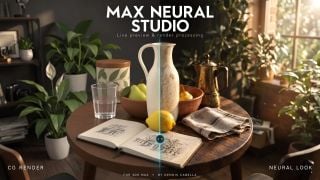
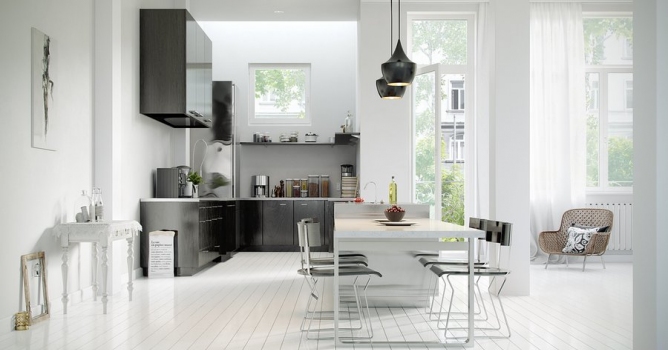
In this walkthrough, we guide you through the process of building a polished 3D interior scene inspired by the cover of Archmodels vol. 306 – Table Sets.


 Customer zone
 Your orders
 Edit account
 Add project
 Liked projects
 View your artist profile










COMMENTS