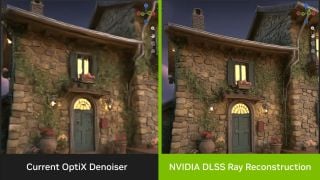
Blender 5.3, due November 10, will ship with DLSS 4.5 Ray Reconstruction integrated into Cycles as a native denoiser option. The move brings GPU-accelerated AI-powered noise reduction to Blender's renderer, working across all consumer RTX generations from 20 to 50 series.
DLSS 4.5 Ray Reconstruction replaces traditional hand-tuned denoisers with a neural model that reconstructs undersampled pixels in noisy areas where rays were not cast. According to NVIDIA, the new model delivers 35% more compute capability and processes 20% more parameters than the previous DLSS generation. The integration builds on a prior OptiX denoiser in Cycles, though sources differ on whether OptiX remains available as an alternative or is fully replaced.
NVIDIA stated in its announcement:
For 3D artists that need to interact in a scene while seeing near-final render quality, DLSS 4.5 Ray Reconstruction transforms the lighting and look-development workflow.
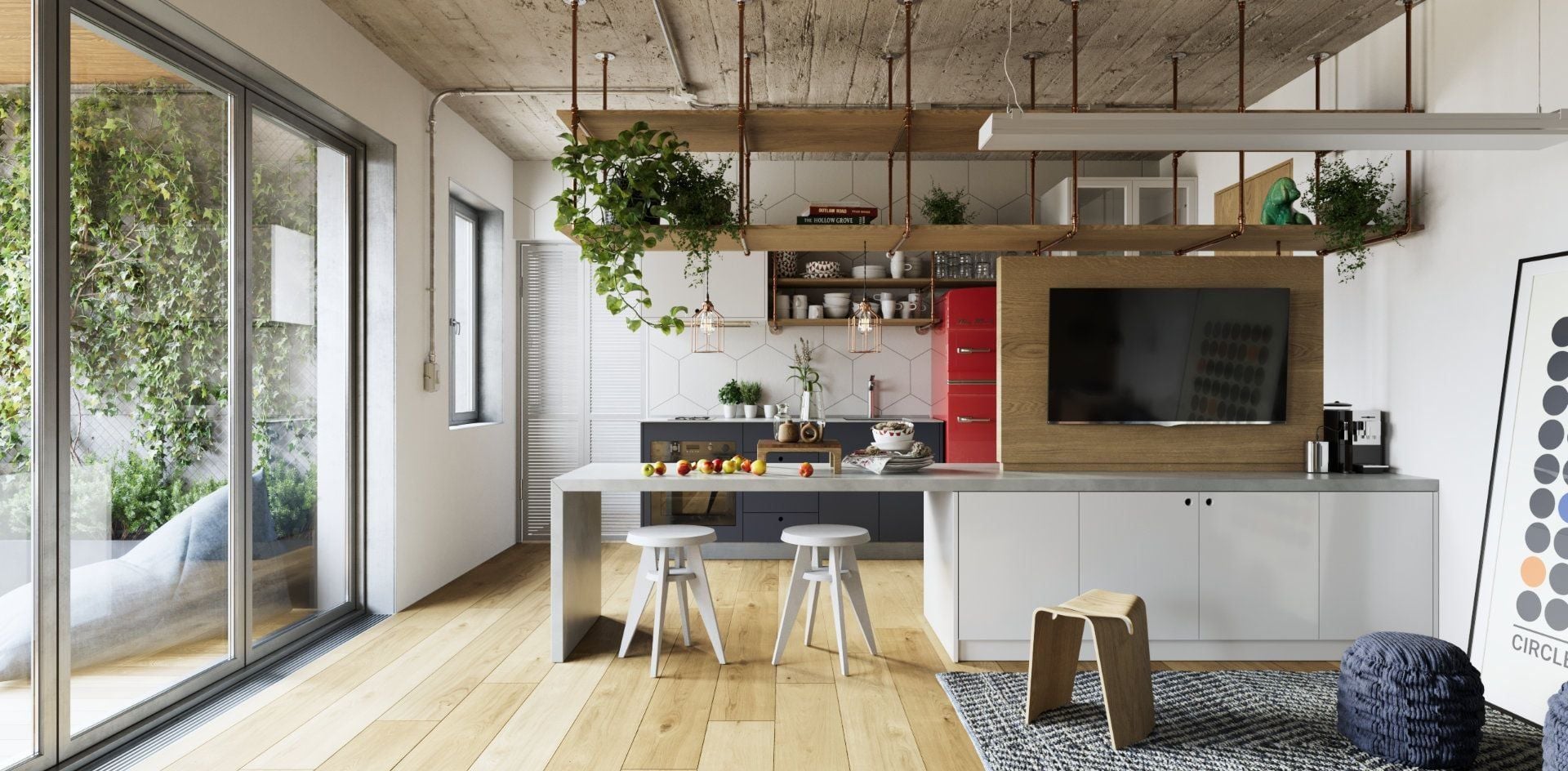
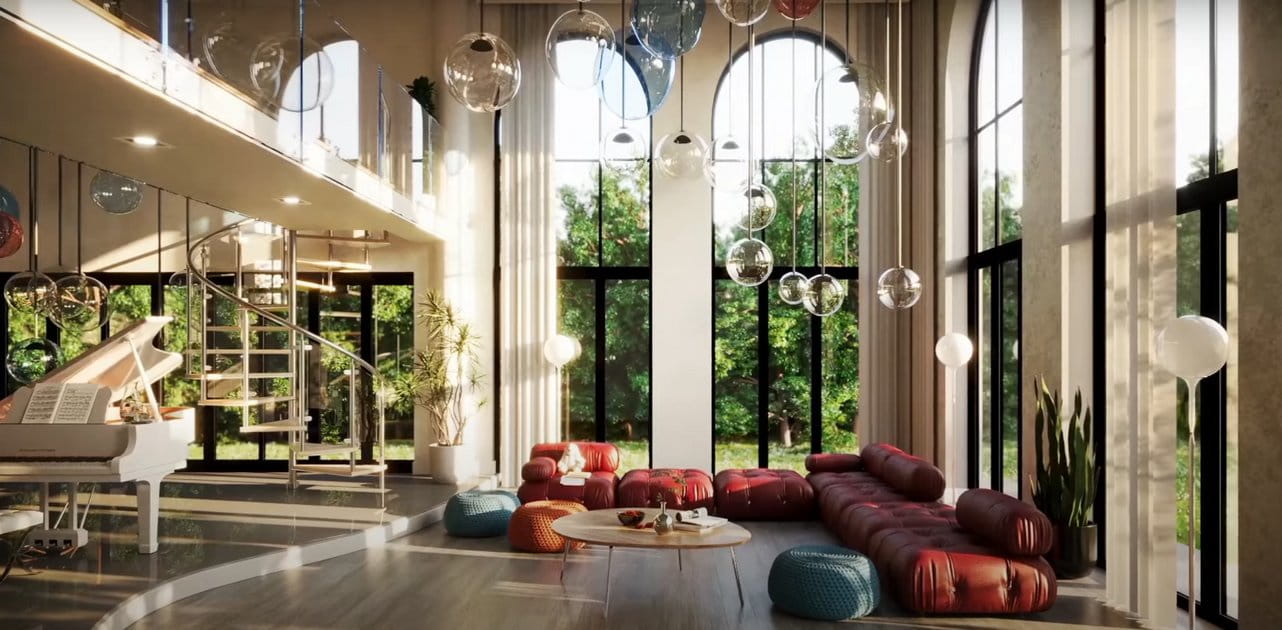
Faster iteration for GPU-bound archviz work
For Blender studios running GPU rendering on Cycles, DLSS Ray Reconstruction offers a direct production win. Denoising is often a bottleneck in interactive look-dev: artists need clean enough images to judge lighting and materials at speed, but traditional denoisers either introduce delay or produce visible artifacts. By shifting denoising to the GPU and using AI reconstruction, Blender users can iterate lighting faster at near-final quality without waiting for long CPU post-processes or resorting to much higher sample counts.
The RTX 20–50 series compatibility is wide enough for most studios with modern hardware, lowering the cost of entry compared to workstation-class cards. For archviz projects where GPU render speed already matters—and where lighting refinement drives scheduling—the combination of faster denoising and lower per-frame sample requirements means tighter production timelines and reduced power draw on render farms or local workstations.
The release also continues Blender's push toward real-time-quality workflows. V-Ray for Blender 7.4 has already added faster light workflows, and 3ds Max has gained DLSS 5 support, signalling that neural rendering and AI denoising are becoming standard expectations across the industry.
Minimum driver requirements, exact UI placement in Cycles settings, and performance benchmarks specific to archviz scenes remain unconfirmed. Licensing terms—whether the feature is free with Blender or requires separate cost—have not been disclosed.
Sources
Lead image: DIGITAL PRODUCTION





 Customer zone
 Your orders
 Edit account
 Add project
 Liked projects
 View your artist profile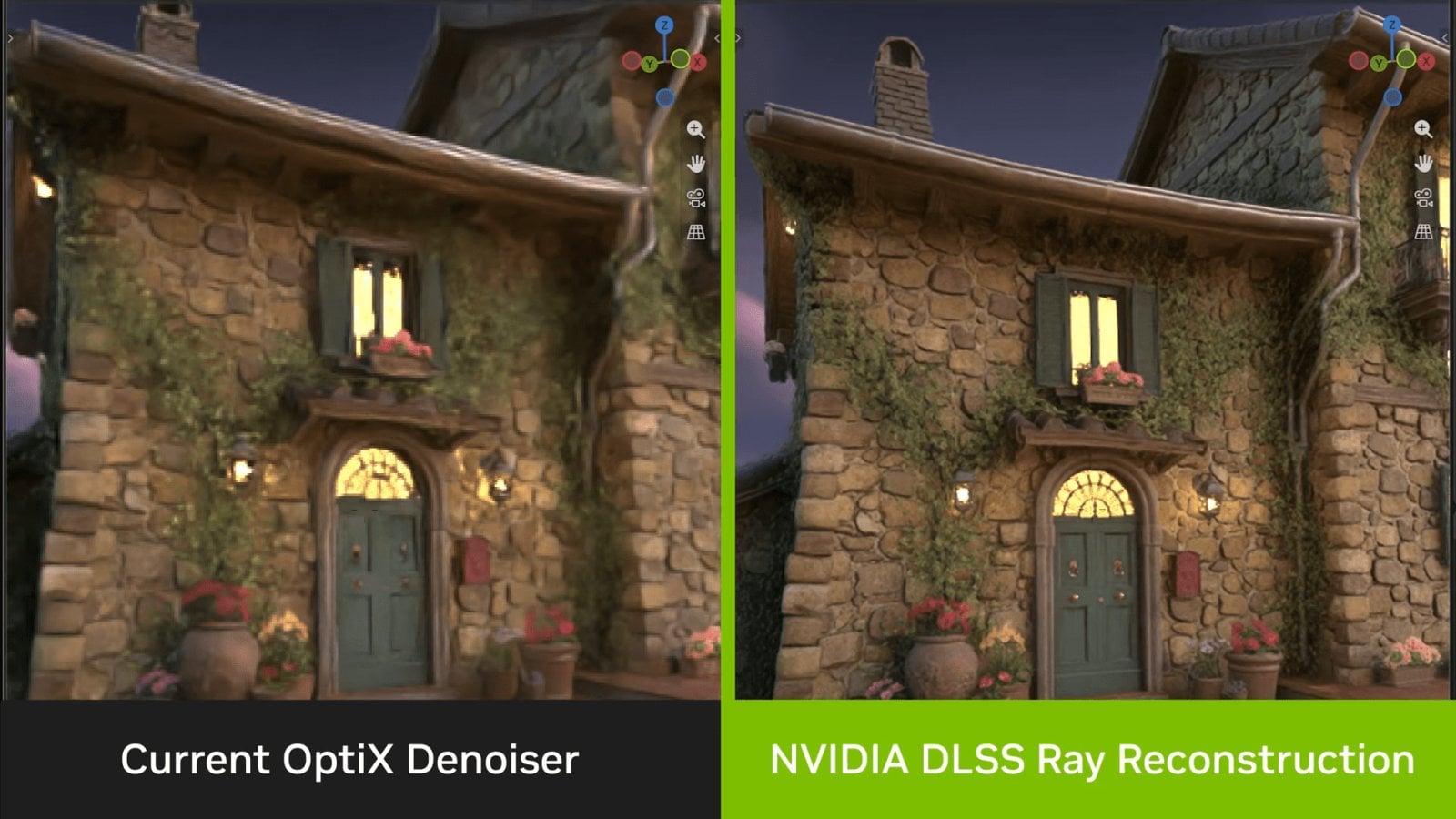












COMMENTS