The easiest way to make scenes look more realistic.
Adding details to 3D scenes can be done in several ways depending on the purpose of the scene and the level of realism required. Here are a few techniques that can be used to add details to 3D scenes:
Texture Mapping: This is a process of applying 2D images to the surface of 3D objects. Texture mapping can add details such as bumps, scratches, and other surface imperfections to make objects look more realistic.
Normal Mapping: Normal mapping is a technique that simulates small bumps and wrinkles on the surface of an object using a texture map. This technique creates the illusion of 3D detail without actually increasing the polygon count of the object.
Model Detailing: This involves adding additional geometry to 3D models to create more complex shapes and surfaces. For example, adding extra polygons to a character's face can create more defined features and expressions.
Lighting: Proper lighting is crucial for adding depth and detail to 3D scenes. By using different types of lighting sources and adjusting their position, intensity, and color, you can create more realistic and dynamic scenes.
Particle Systems: Particle systems are used to simulate natural phenomena such as smoke, fire, and water. These can add a sense of motion and activity to a scene, as well as adding details to objects.
Props and Environment Objects: Adding small details such as furniture, plants, greebles, and other props can help to create a more realistic and lived-in environment. This can also help to tell a story and add depth to the scene.
Arnold 7.5.4 adds true render pausing, expands viewport acceleration to 3ds Max and Cinema 4D, and introduces a Shader Imager for pixel-level compositing without full rerenders. GPU instance performance jumps 3x for large scene updates.
Chaos embeds AI assistants, MCP server integration with Claude and ChatGPT, 2D-to-3D asset generation, and AMD GPU support into V-Ray 7, Update 5. The update also bundles Vantage real-time ray tracing access for Collection license holders, targeting faster workflows without compromising offline render quality.
Mach9's web-based CAD software now processes drone and helicopter point clouds with automated feature extraction, cutting survey-to-model time by 40%. Export goes to DXF, DWG, LandXML and GIS formats.
Enscape's November 2026 release adds AI-driven content discovery, custom 3D model generation in beta, and expanded asset libraries to speed up visualization workflows. Over 1,500 new real-time assets, including Evermotion content, bring Cosmos to 13,000+ items.
Autom8Labs has released 22 free MCP Skills for AI agents across nine AEC applications, including tools to configure Corona and V-Ray in 3ds Max and build parametric definitions in Grasshopper. The skills pair with MCP Connectors linking Claude directly into design software to automate rendering setup and parametric workflows.
Blender 5.3 adds built-in support for importing and rendering 3D Gaussian splats, eliminating external add-ons and opening photogrammetry capture as a native workflow. The feature works across Cycles, EEVEE and Workbench, but carries current limitations around export, transforms and color space handling.
AI visualization tools accelerate early design exploration but introduce new risks in multi-view consistency, architectural accuracy, and revision control. Studios must anchor all work in a production 3D scene and implement structured approval gates before generation.
Adobe released Substance 3D Painter 12.2 on October 21, 2026, introducing cage painting that lets artists control baking offsets by painting directly on models. The release addresses workflow gaps that have pushed users toward external baking tools.
Mach9's web-based CAD software now processes drone and helicopter point clouds with automated feature extraction, cutting survey-to-model time by 40%. Export goes to DXF, DWG, LandXML and GIS formats.
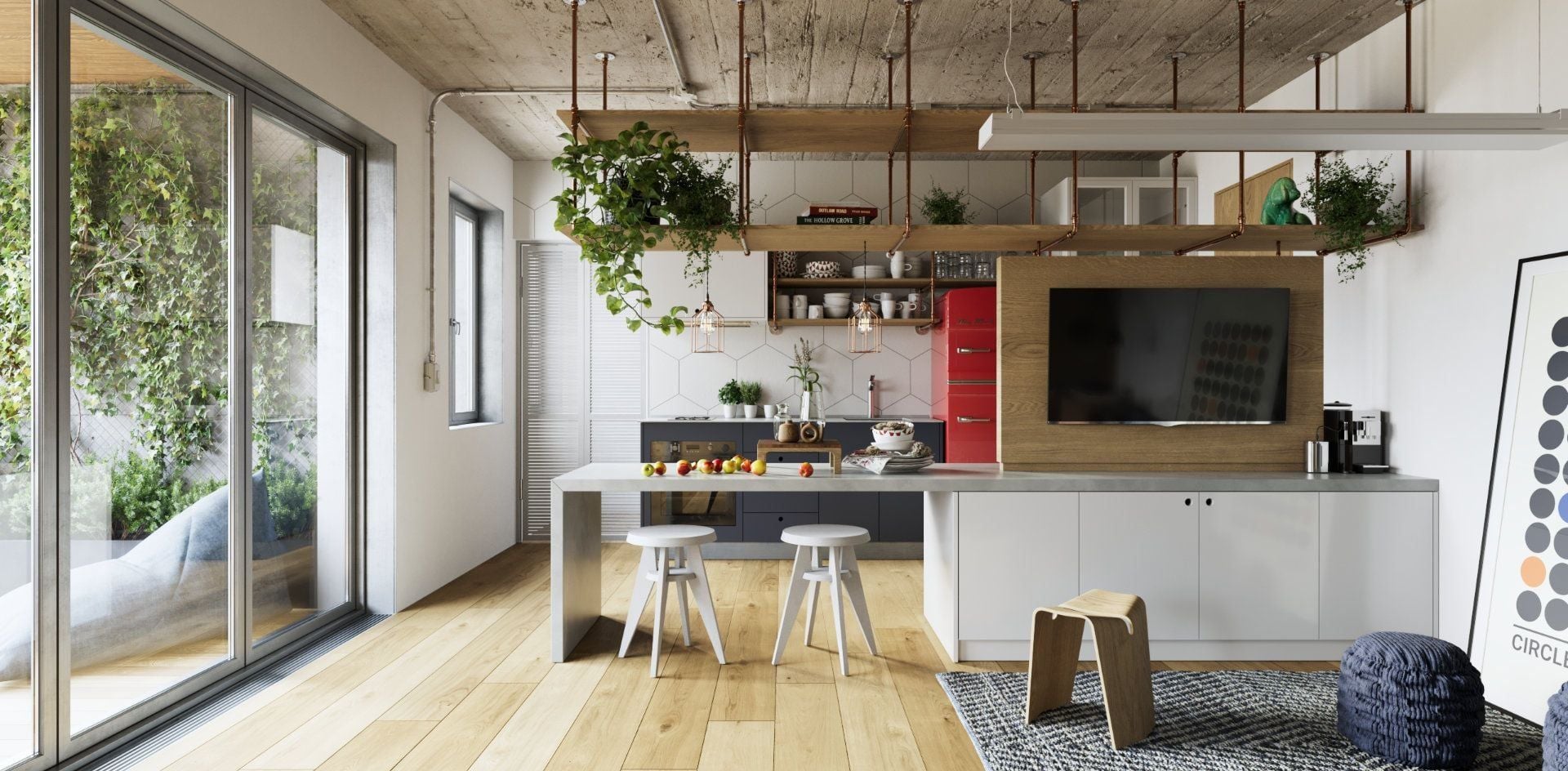
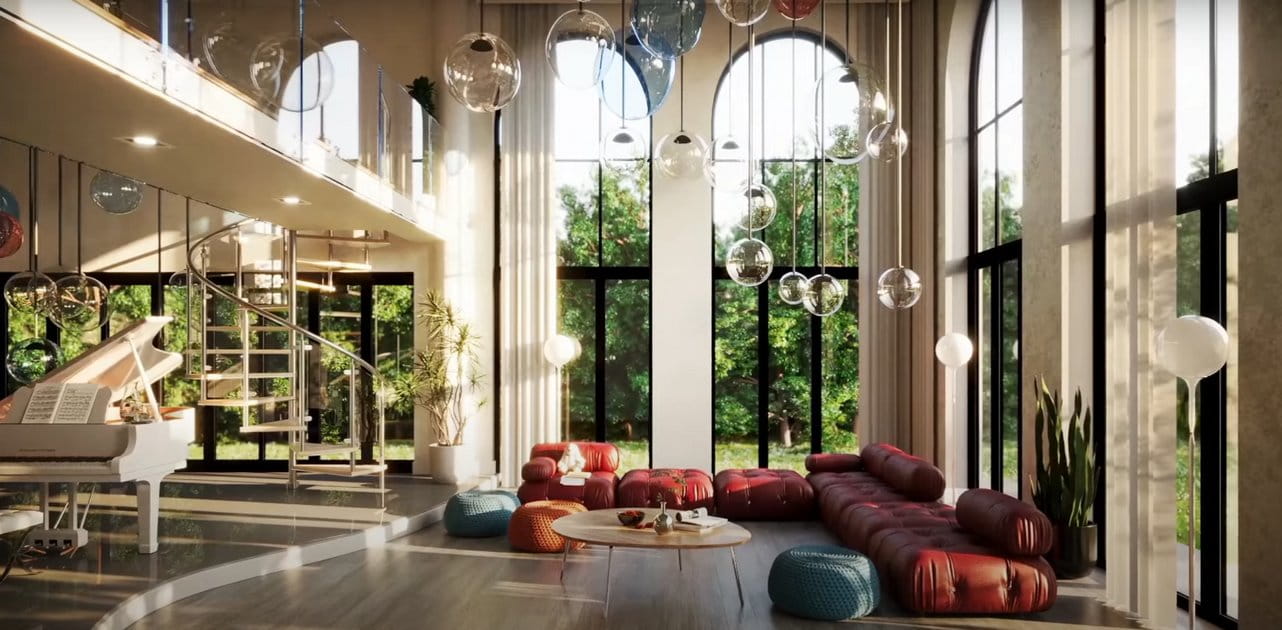
In this walkthrough, we guide you through the process of building a polished 3D interior scene inspired by the cover of Archmodels vol. 306 – Table Sets.









 Customer zone
 Your orders
 Edit account
 Add project
 Liked projects
 View your artist profile

COMMENTS