We use cookies to provide you with the best possible experience. They also allow us to analyze user behavior in order to constantly improve the website for you.
The consent is voluntary. You can withdraw it at any time or renew it in Cookie settings on the home page. Withdrawal of your consent does not affect the lawfulness of processing performed before the withdrawal.
Privacy Protection Policy
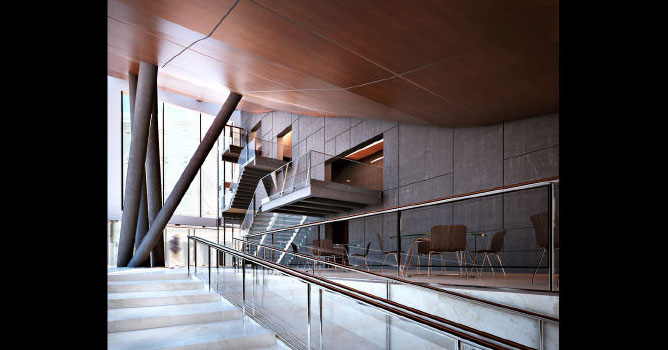
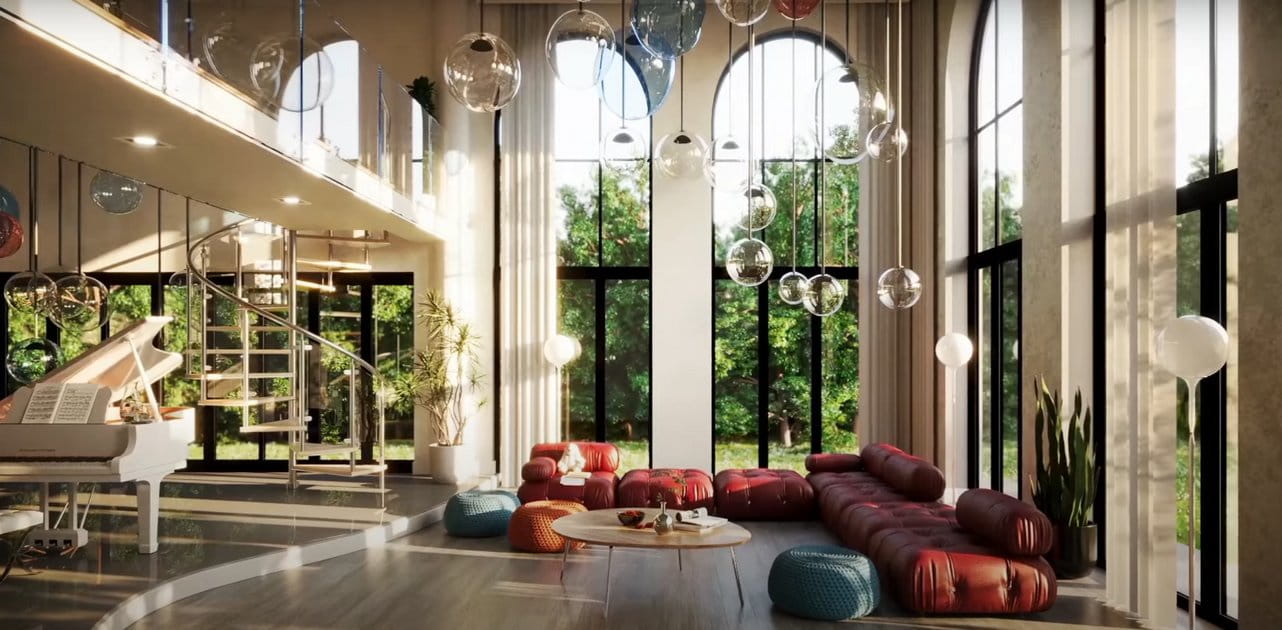
The project had to be modeled at great speed, as though we only had 3 days to create 4 images for an architectural contest. We began from cad files wich were directly imported to 3ds MAX and utilized as a base to generate the model. The client chose the models from the Evermotion Archmodels libraries wich we provided.
CAMERA POV
This was a narrow space, so we wanted to increase that sense of speed in the POV, the stair and the ceiling converge very rapidly into the vacum point and once the eye is set on that point you can see the columns on the left side of the picture. To take time to make a good composition is always good for the image, and good architecture helps a lot.
It was necesary not to show both side walls, since it was very narrow there and we wanted it to show more space in the image. Not showing one wall generates the illusion of and endless space to the side of the image
The stairs and the ceiling are both in opposite angles and towards the windows, that helps to the unidirectional view.
Working in CG and archviz often means balancing creative intent with production realities. Human presence can support scale, context, and clarity, but it also adds another layer of decisions. Ready-made 3D character assets help keep visual focus where it belongs without expanding the project scope beyond its real needs
In professional visualization, buildings are more than background elements. They define context, scale, and clarity for industrial and commercial projects. Well-prepared 3D building models help viewers read a scene instantly and understand its purpose without relying on technical descriptions or supporting text
The production pipeline in CG and visualization is built on a sequence of clear decisions. Each stage depends on how information is defined, shared, and preserved. 3D models serve as digital assets that translate abstract ideas into structured visual data and consistently carry them through to the final render
In professional CG and architectural visualization, efficiency depends on structured decision-making and reliable resources. Using grouped 3D assets allows us to focus on scene logic, composition, and project consistency instead of repetitive asset preparation and library management.
3D furniture models support structured, predictable interior design workflows in professional archviz. In projects where deadlines, coordination, and visual consistency matter, ready-to-use assets reduce friction and enable teams to focus on spatial decisions rather than repetitive preparation.
Working in CG and archviz often means balancing creative intent with production realities. Human presence can support scale, context, and clarity, but it also adds another layer of decisions. Ready-made 3D character assets help keep visual focus where it belongs without expanding the project scope beyond its real needs
Gracias por compartir este trabajo,
sinceramente gran trabajo, debido a la capacidad de respuesta en ese tiempo determinado.
Me gustaria poder exponer tu trabajo en mi universidad, ya que estamos estudiando auditorios para proyectos.
Podrias enviar mas informacion a: [email protected]
Muchas gracias por todo!
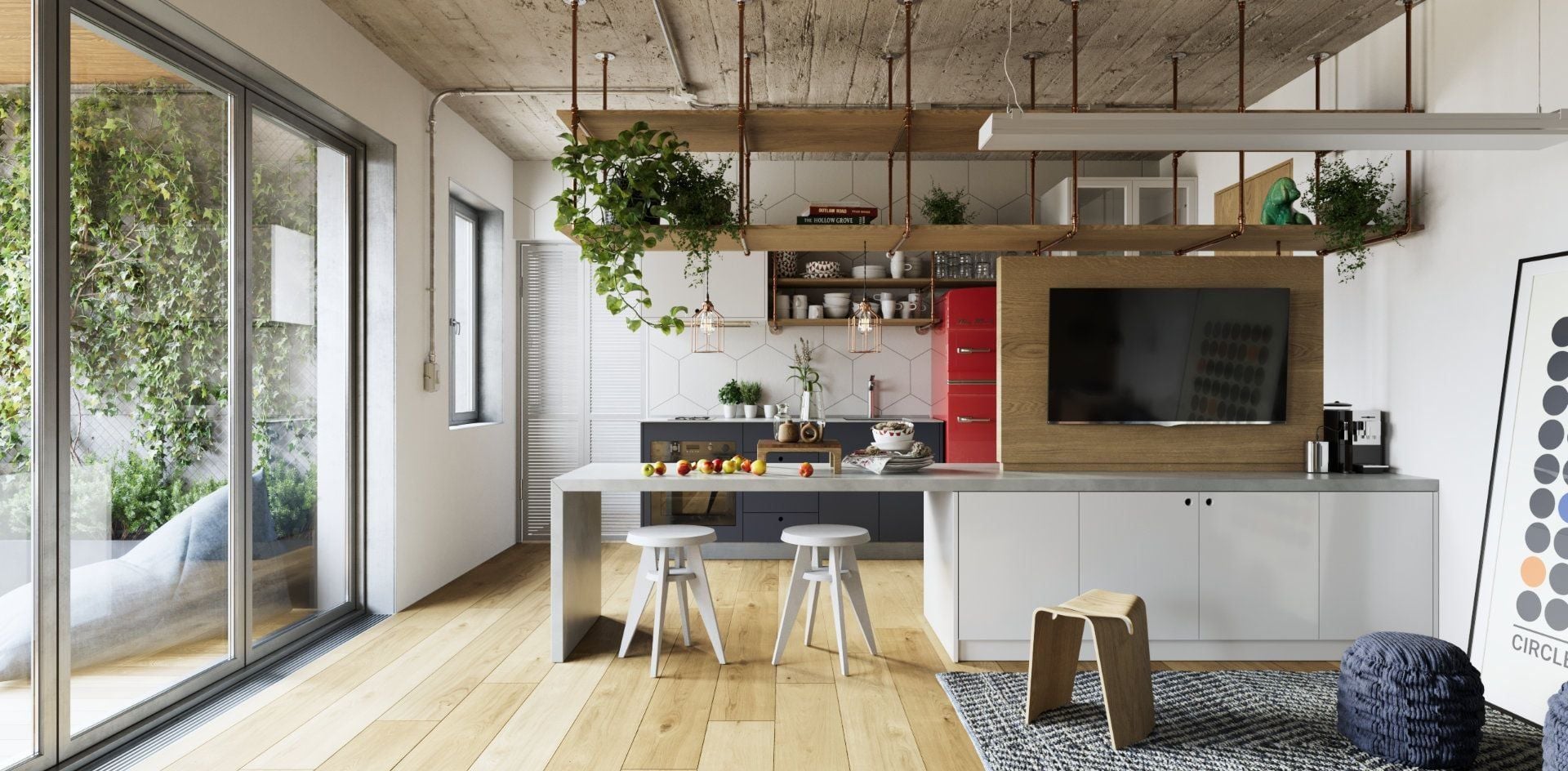
In this walkthrough, we guide you through the process of building a polished 3D interior scene inspired by the cover of Archmodels vol. 306 – Table Sets.
COMMENTS