Evermotion: More Than an Asset Library
How Evermotion became a full-scale production partner for archviz, automotive and synthetic data.


Total: € 0

Features:
TEXEL DENSITY WORKFLOW OVERHAUL - Using Texel Density (TD) in RizomUV is now significantly easier by tweaking the UI and how it works. Texel Density is now one, linked setting, as opposed to separate in earlier versions.
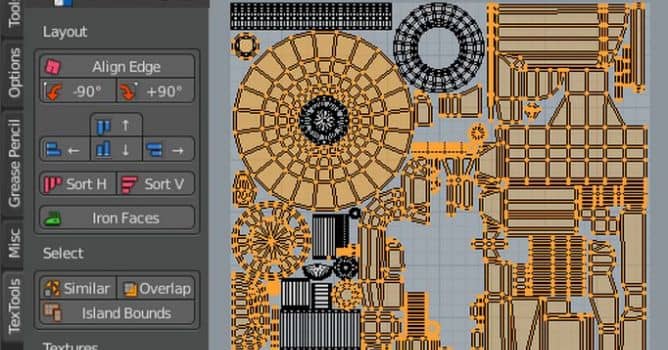
TEXEL DENSITY IN THE LAYOUT PANEL - In the layout panel, we now have a Texel Density picker as well as letting you add your values manually in the spinner.
SELECT ELEMENT - Select Element works just like it does in, i.e. 3DS Max: you select the Element, and then you can, i.e. press I to isolate and unwrap it. The Element selection remains regardless of UVs, so you can always select it for further refinement or packaging.
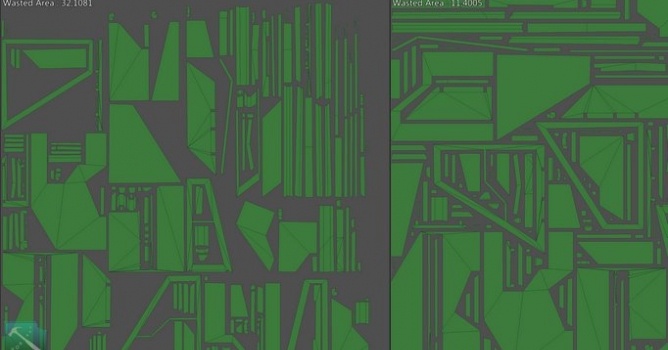
SELECT FLIPPED - Select Flipped does precisely what it says, it selects all flipped islands or polygons in a model or isolated group if you pressed I to separate something out. Rizom interprets Flipped components as downfacing in UV space.
DISTRIBUTE SPACE - a tool similar to Photoshop’s Align/Distribute function. Selecting Pixel space and defining the value in the spinner distributes your selection(s) according to that value. So if you set the spinner to 5 pixels, there will be 5 pixels between the selections. Selecting Real Space and setting the value in the spinner distributes your selections according to that value. So if you set the spinner to 5 Real Space Units, there will be 5 real UV units between the selections. You can use this function on islands (F4), polys (F3) and edges (F2) .Vertices(F1).
EDGE ALIGNMENT ENHANCEMENTS - RizomUV now has an option to keep constrained edges aligned when unwrapping or optimising. It can now also create a hinge from a vertex, meaning the alignment will “bend” based on the position of the vertex.






LEAVE A COMMENT




|

|

|

|

|
 Customer zone
 Your orders
 Edit account
 Add project
 Liked projects
 View your artist profile
COMMENTS