Photoshop brushes are now natively supported in Substance Painter Time to dust off your ABR brush libraries. You can download them from Adobe - it has thousands of pre-made brushes available for Photoshop subscribers. You don’t have a subscription but you’re still itching to get your hands on the brushes? This new version of Substance Painter ships around 100 ABR brush presets.
New possibilities with expanded brush settings - To allow you to make the most of the ABR brush, developers take brush engine further. These expanded settings will increase with time; this first iteration has a large batch of settings such as Minimum Size, Minimum Flow, Roundness, and more.
Introducing a new opacity blending mode - With the new opacity blending setting, choose between the legacy opacity blending and a new Max blending mode. This means you can easily mimic what you would expect from painting in Photoshop.
A leap forward for tablet users - Your painting experience is, in general, much better. One of the improvements concerns smoother strokes: when working with a pen or stylus, the pressure sensitivity has a smoother curve.
Improved brush preview - Sometimes the alpha of a brush was in the way when trying to paint intricate details or precise strokes. You can now opt for a light brush preview, clearing the view at the center of the stamp.
Unwrapping is tedious, it adds no artistic value to the asset, and it can take what seems like forever. Today you can finally unwrap your models inside Substance Painter. Enter Automatic UV Unwrapping, available in beta in this new update. This tool automatically seams, unwraps and packs UVs for you if you import a 3D model that has no UV coordinates.
Smooth curves with the new Paint Roller stroke - A long-requested feature was the ability to have an alpha, pattern or material follow smoothly along curves and strokes. The Paint Roller is here to answer your needs for stitches, trims, folds, pipes and all other sorts of curvy apparatus.
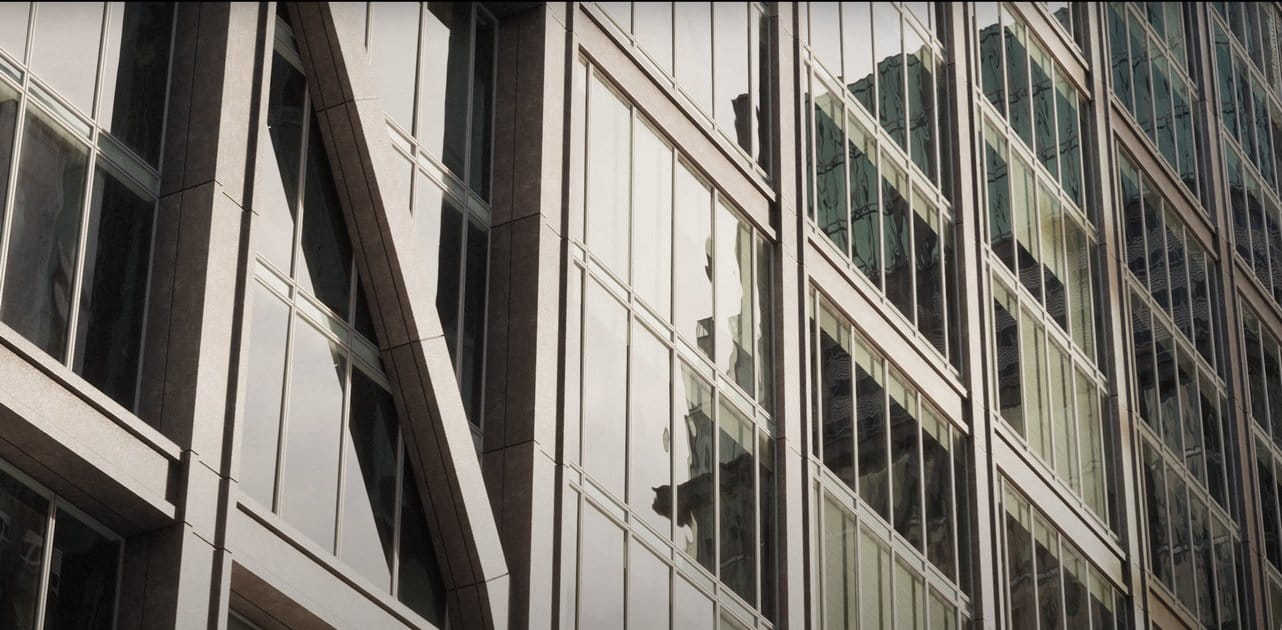
Corona 16 adds GPU-accelerated Gaussian Splat relighting and a new Parallax Interiors system that renders furnished rooms behind windows using flat geometry, cutting memory overhead for multifamily and tower facades. New AI Assistant beta helps with mood matching and scattering.
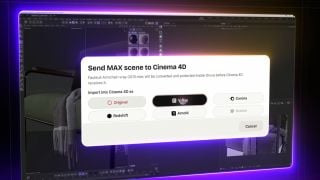
A new Windows tool reads native .max files and rebuilds V-Ray and Corona materials for target renderers, letting multi-software studios skip re-setup work.
Epic Games has made the full 23,000-asset Megascans library free on Fab indefinitely as of November 5, 2026, with refunds for 2025 purchases and new AI training rights. The Fab Standard License covers any game engine or tool without renderer lock-in.
Claude Opus 5.5, released September 22, cuts API costs by 40% and speeds output by 30%, making AI-driven scene assembly in Blender more practical for solo artists. The model excels at staging, lighting and rig fixes but not production mesh generation.
Chaos shipped V-Ray 7 Update 5 on November 5-6 with 30+ features including an embedded AI Assistant, Cosmos AI asset generation, and MCP server connections to ChatGPT and Claude. 3ds Max users face delays while Rhino and SketchUp gain immediate native AI access.
Arnold 7.5.4 adds true render pausing, expands viewport acceleration to 3ds Max and Cinema 4D, and introduces a Shader Imager for pixel-level compositing without full rerenders. GPU instance performance jumps 3x for large scene updates.
Chaos embeds AI assistants, MCP server integration with Claude and ChatGPT, 2D-to-3D asset generation, and AMD GPU support into V-Ray 7, Update 5. The update also bundles Vantage real-time ray tracing access for Collection license holders, targeting faster workflows without compromising offline render quality.
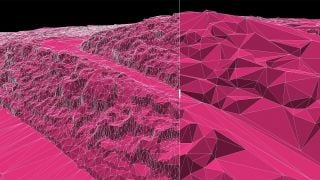
Mach9's web-based CAD software now processes drone and helicopter point clouds with automated feature extraction, cutting survey-to-model time by 40%. Export goes to DXF, DWG, LandXML and GIS formats.
Chaos shipped V-Ray 7 Update 5 on November 5-6 with 30+ features including an embedded AI Assistant, Cosmos AI asset generation, and MCP server connections to ChatGPT and Claude. 3ds Max users face delays while Rhino and SketchUp gain immediate native AI access.
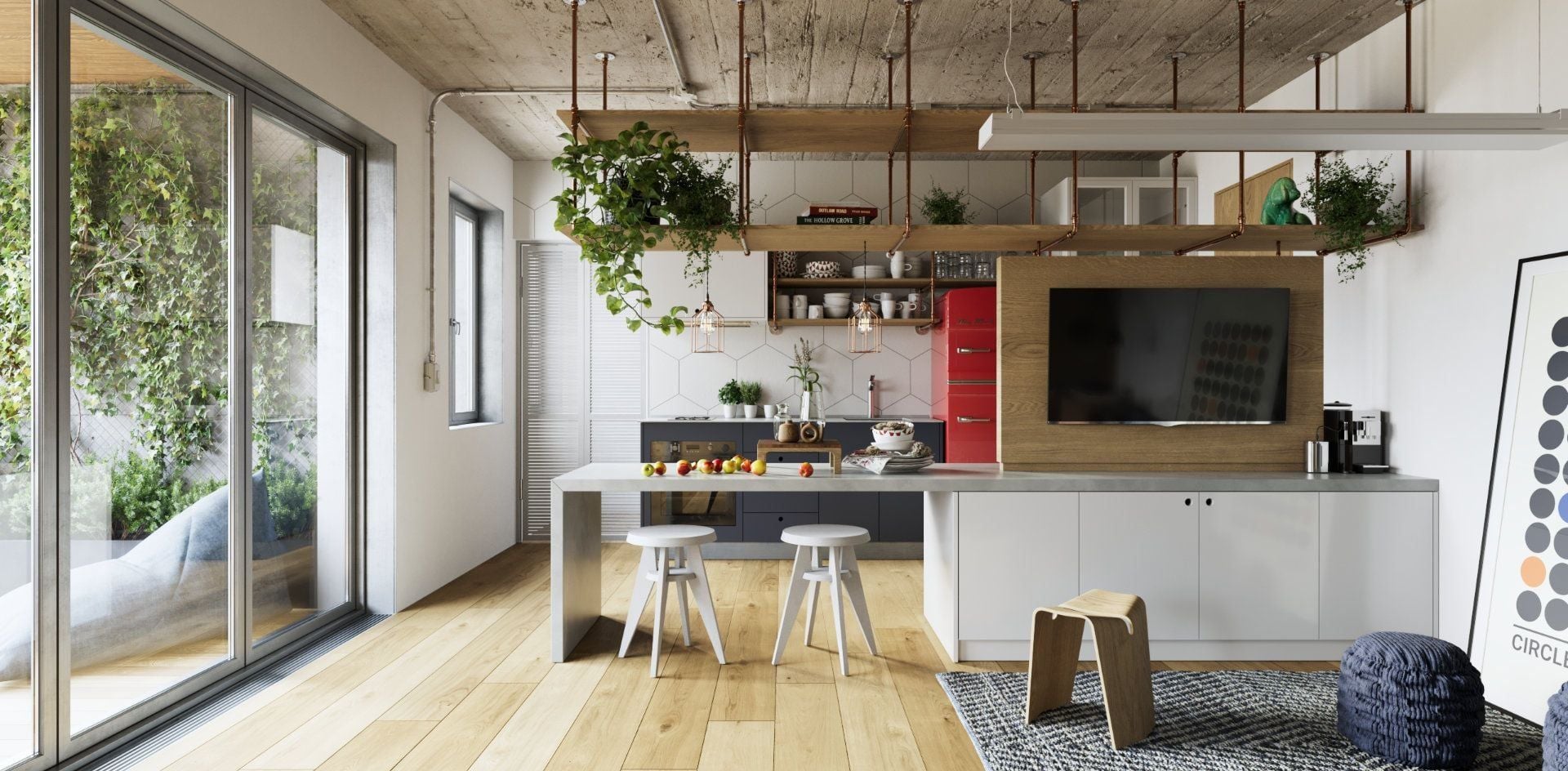
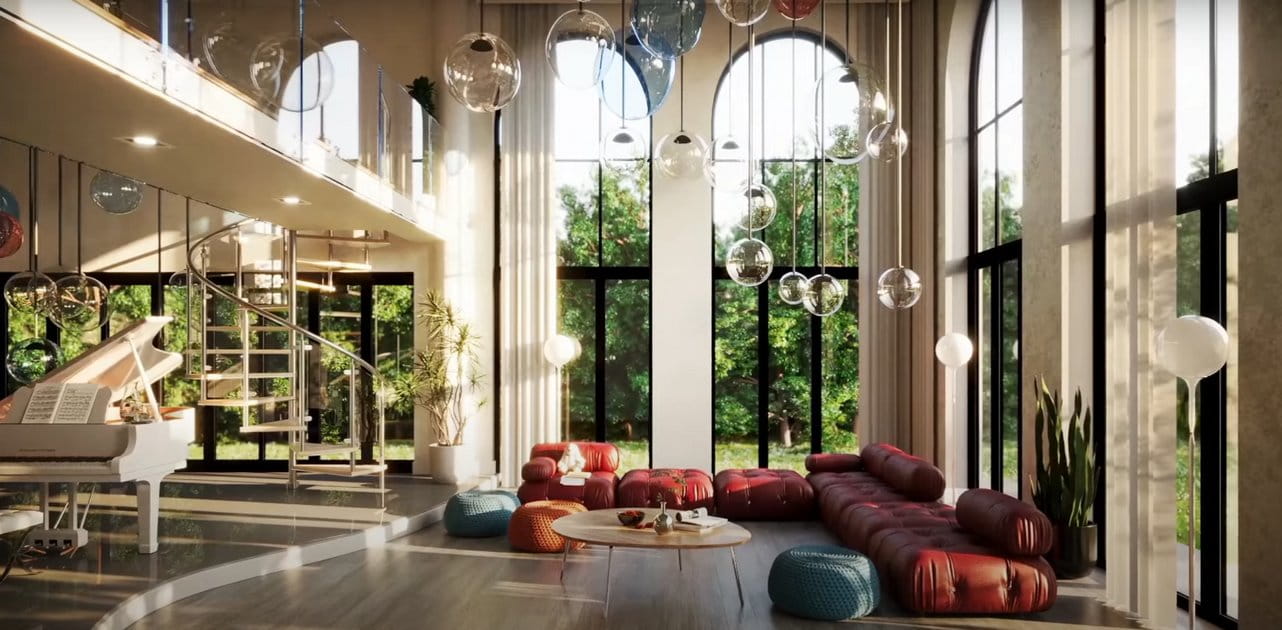
In this walkthrough, we guide you through the process of building a polished 3D interior scene inspired by the cover of Archmodels vol. 306 – Table Sets.
COMMENTS