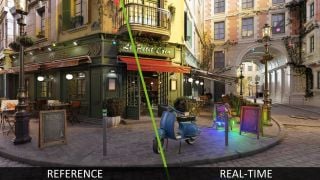
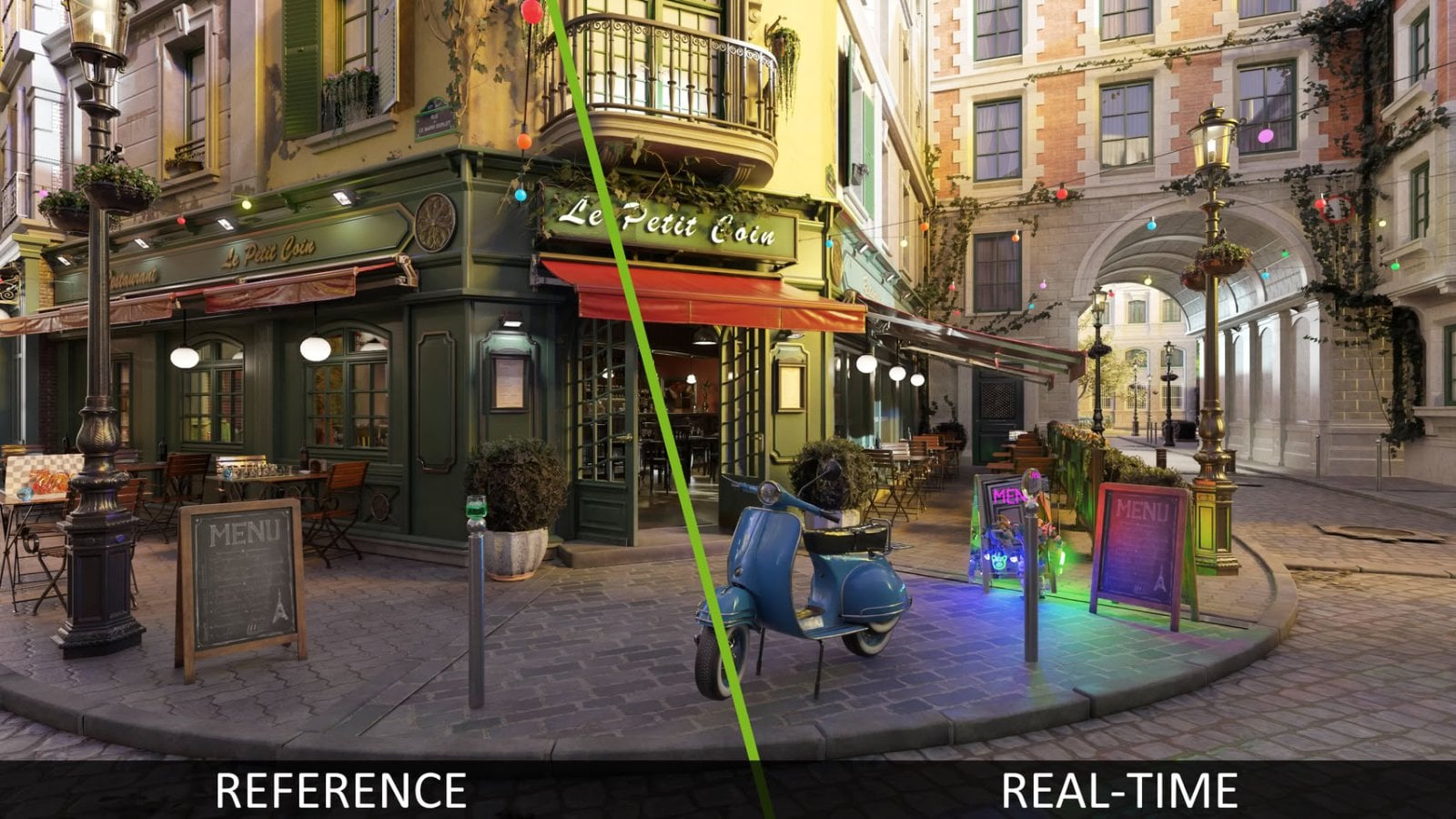
NVIDIA released RTX Path Tracing 1.9.0 on October 23, 2024, with approximately 20% performance improvement over version 1.8.1 with comparable or better quality, according to the release notes. The update expands platform support to Windows on ARM64 and significantly raises the architectural complexity the reference implementation can handle in real-time.
The core performance gain comes from three changes. The SHaRC radiance cache is now integrated and enabled by default, caching indirect lighting across frames to reduce per-sample computation. GPU-side TLAS (top-level acceleration structure) generation moves instance building from the CPU to the GPU, cutting CPU overhead. On DirectX 12 pipelines, async compute can now overlap the previous frame's DLSS Ray Reconstruction and post-processing with the next frame's path tracing, hiding latency.
For scenes with many objects and lights, the update quadruples capacity. Resident geometries jump from 65,536 to 262,144, and the NEE-AT light sampler now handles up to 2 million lights instead of 512,000. That matters for dense architectural interiors where a single scene might contain thousands of fixtures or light sources.
Speed-quality tradeoffs arrive via adaptive sub-sampling: developers can trace 75%, 50%, or 25% of pixels per frame, reconstructing full resolution through upsampling. This trades some quality for frame time, useful for preview workflows or high-resolution displays.
The addition of Windows on ARM64 support signals a bet on ARM-based systems as a delivery platform. Neither NVIDIA nor the coverage specifies immediate hardware, though the timing aligns with industry interest in ARM compute for visualization and edge workloads.
RTX Path Tracing is a reference sample and learning tool, not a shipping product. As TechPowerUp noted, "for gamers, the impact isn't immediate, since the 20% figure applies to NVIDIA's own sample and not to any shipping title." NVIDIA positions it as "a starting point for a clean path tracer integration" and invites developers to apply findings to their own projects.
What This Means for Archviz Workflows
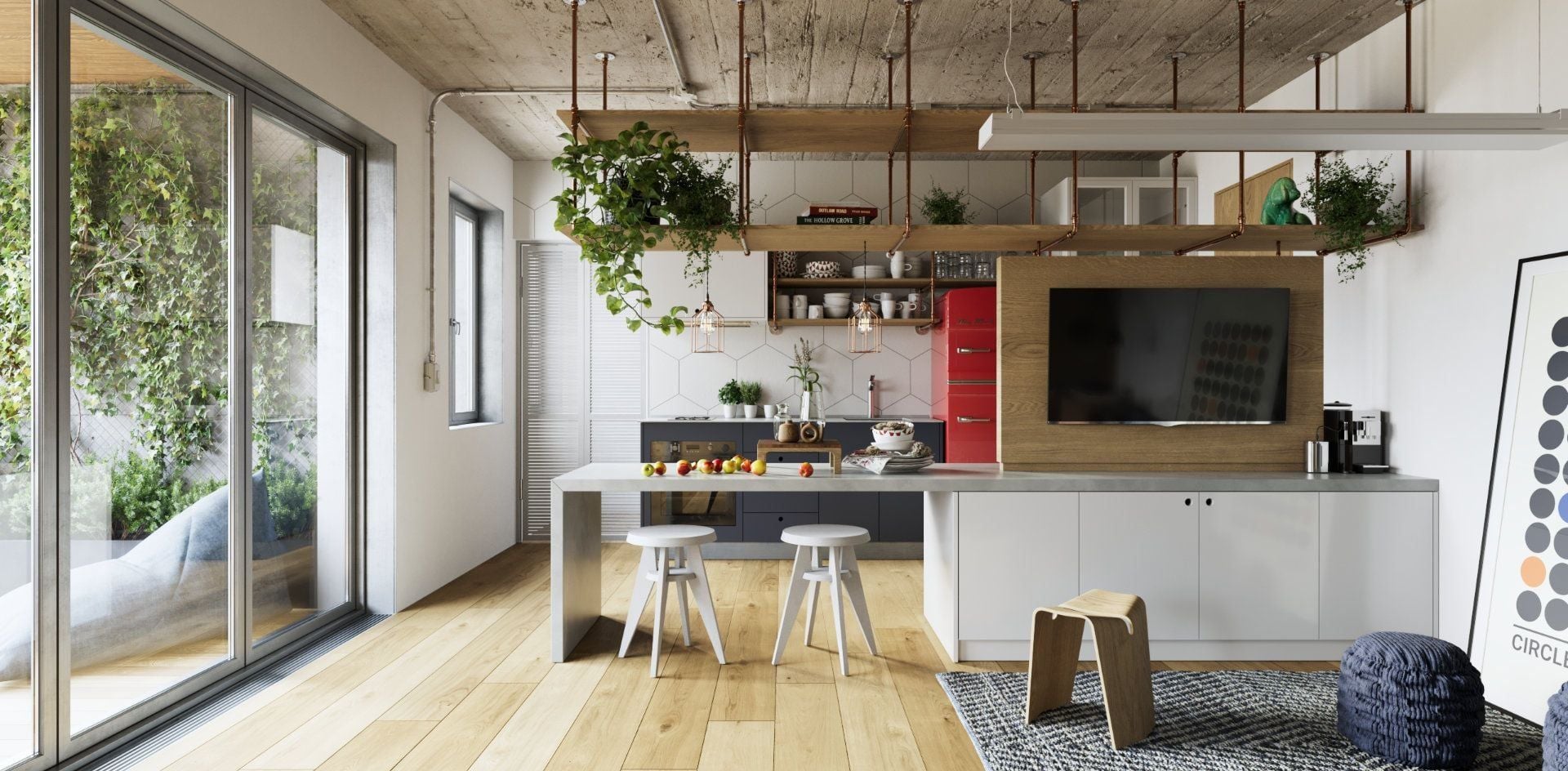
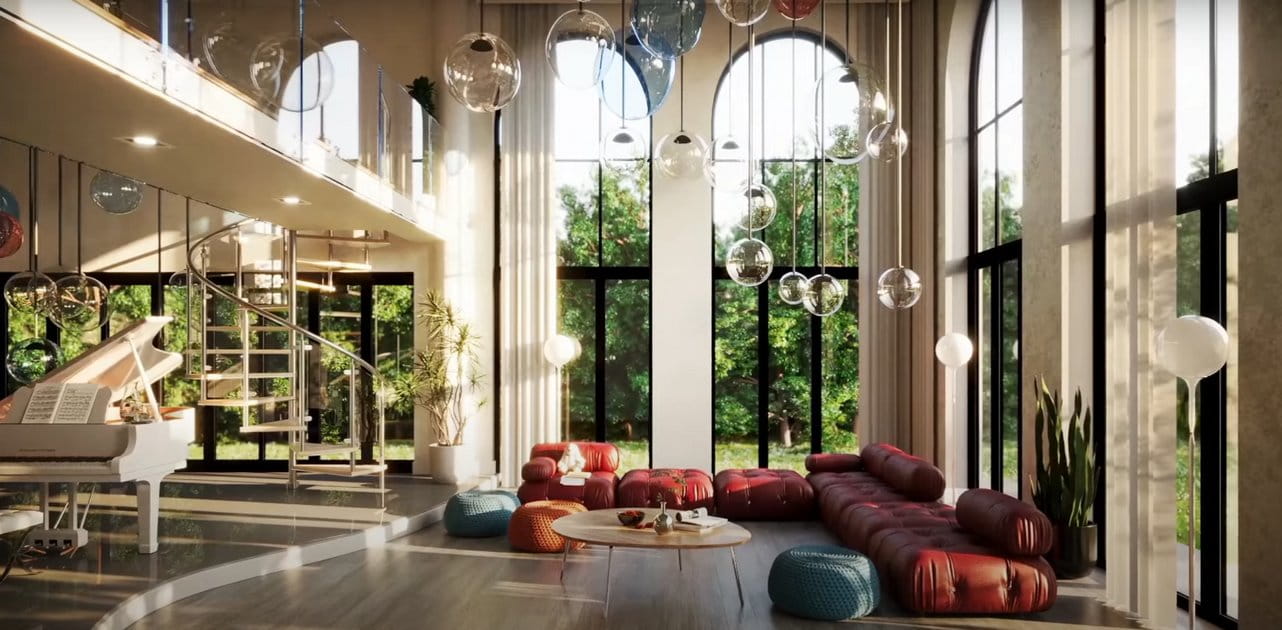
The 1.9.0 update demonstrates optimization patterns likely to filter into production tools over time. The 4x boost in geometry and light capacity directly addresses dense architectural scenes—residential interiors with hundreds of fixtures, commercial spaces with complex lighting rigs, or exterior shots with trees and streetlights. If Unreal Engine, Blender, V-Ray, or other engines adopt these techniques, preview and final-render speed could improve measurably.
Radiance caching via SHaRC is not new, but its integration as a default in a high-profile reference implementation suggests NVIDIA sees it as production-ready and worth promoting. Studios already using caching strategies in Corona or V-Ray will recognize the principle; real-time engines may gain similar options sooner than expected.
Sub-sampling at 50% or 25% pixel coverage offers a practical middle ground: fast iteration on lighting and composition without waiting for convergence, then a higher-sample final pass. That workflow fits both interactive preview and batch rendering.
ARM64 support remains speculative for most studios. Unless NVIDIA RTX Spark or another ARM-based system ships with integrated path tracing support, or unless Unreal and Blender commit to ARM builds with path tracing enabled, this change affects a narrow segment. Worth watching, but not actionable yet.
The reference code is open source on GitHub. For developers building custom pipelines or evaluating path tracing implementations, the new Design document describes the full pipeline; studios curious about real-time ray tracing foundations can study it directly.
Sources
Lead image: TechPowerUp




 Customer zone
 Your orders
 Edit account
 Add project
 Liked projects
 View your artist profile











COMMENTS