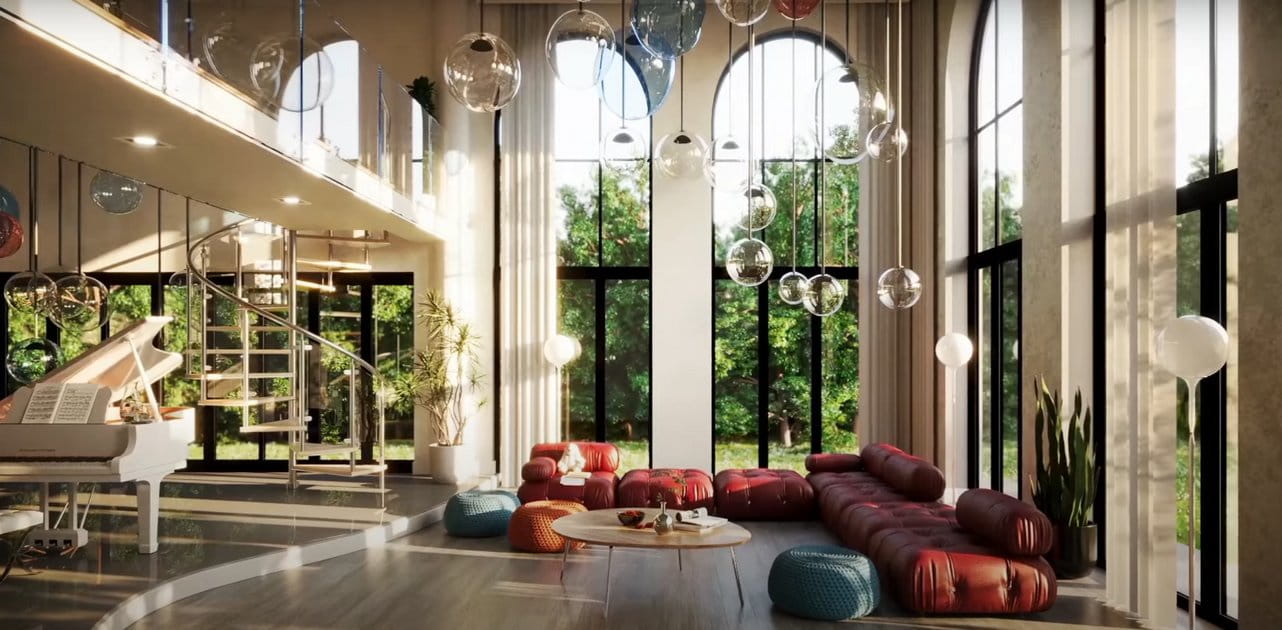
Remove the LUT from a specific texture in order to get perfect looking textures in your render.
RenderRam shows how to improve your renders by managing textures color space.
What is a LUT?
A Look-Up Table (LUT) is a data structure used to map input values to output values. In the context of color management, a LUT is used to transform the colors of an image or texture from one color space to another. This transformation is essential in achieving desired visual effects, color grading, or ensuring consistency across different devices.
Types of LUTs
1D LUTs (One-Dimensional LUTs): These LUTs map each primary color channel (red, green, and blue) independently. They are simpler and faster but limited in handling complex color transformations.
3D LUTs (Three-Dimensional LUTs): These LUTs handle color transformations in a three-dimensional space, considering the interaction between the color channels. This allows for more accurate and complex color adjustments, making them suitable for high-end color grading and texture mapping.
How LUTs Work in Texture Colorspace
Color Space Conversion: LUTs can convert colors from one color space to another. For example, converting from sRGB to Rec. 709 or from a linear color space to a perceptual one. This is crucial for ensuring that textures look correct on different display devices.
Color Grading and Stylization: LUTs are often used to apply a specific look or style to a texture. For example, applying a cinematic look, enhancing contrast, or simulating a specific film stock. This is common in video games, movies, and digital art to maintain a consistent visual style.
Correction and Calibration: LUTs help in correcting colors to match reference standards or specific display characteristics. This includes correcting for gamma, white balance, or color shifts caused by different lighting conditions or camera sensors.
Practical Application in Textures
Texture Creation: When creating textures, artists can use LUTs to preview how the textures will appear in different color spaces or under different lighting conditions.
Real-Time Rendering: In game engines or real-time rendering applications, LUTs can be applied dynamically to textures to ensure they look correct in various environments and lighting scenarios.
Post-Processing: During the post-production phase of video games or films, LUTs are applied to textures and scenes to achieve the final desired look. This ensures consistency and helps in storytelling through visual mood and tone.
Working in CG and archviz often means balancing creative intent with production realities. Human presence can support scale, context, and clarity, but it also adds another layer of decisions. Ready-made 3D character assets help keep visual focus where it belongs without expanding the project scope beyond its real needs
In professional visualization, buildings are more than background elements. They define context, scale, and clarity for industrial and commercial projects. Well-prepared 3D building models help viewers read a scene instantly and understand its purpose without relying on technical descriptions or supporting text
The production pipeline in CG and visualization is built on a sequence of clear decisions. Each stage depends on how information is defined, shared, and preserved. 3D models serve as digital assets that translate abstract ideas into structured visual data and consistently carry them through to the final render
In professional CG and architectural visualization, efficiency depends on structured decision-making and reliable resources. Using grouped 3D assets allows us to focus on scene logic, composition, and project consistency instead of repetitive asset preparation and library management.
3D furniture models support structured, predictable interior design workflows in professional archviz. In projects where deadlines, coordination, and visual consistency matter, ready-to-use assets reduce friction and enable teams to focus on spatial decisions rather than repetitive preparation.
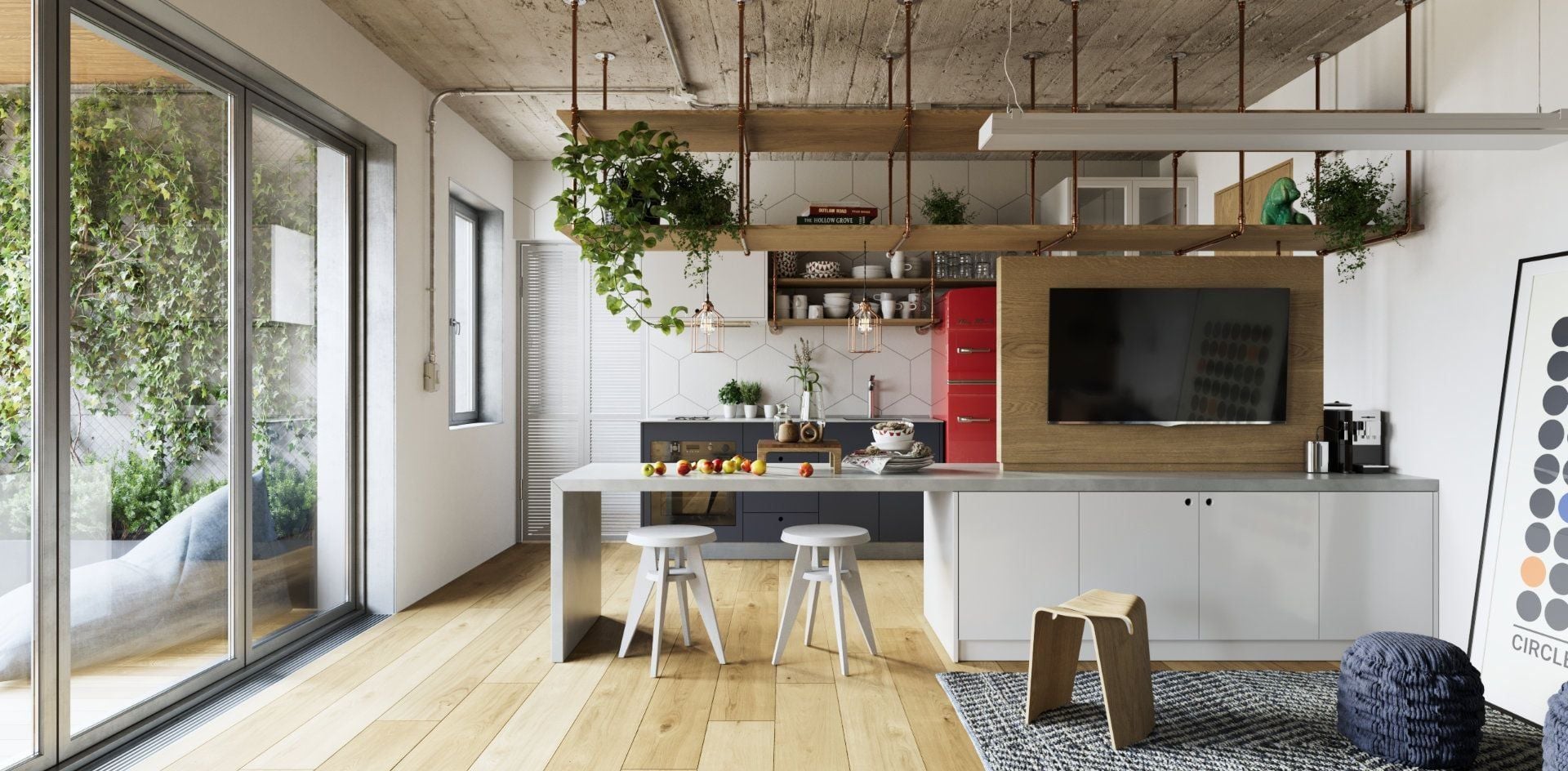
In this walkthrough, we guide you through the process of building a polished 3D interior scene inspired by the cover of Archmodels vol. 306 – Table Sets.












 Customer zone
 Your orders
 Edit account
 Add project
 Liked projects
 View your artist profile
COMMENTS