The easiest way to make scenes look more realistic.
Adding details to 3D scenes can be done in several ways depending on the purpose of the scene and the level of realism required. Here are a few techniques that can be used to add details to 3D scenes:
Texture Mapping: This is a process of applying 2D images to the surface of 3D objects. Texture mapping can add details such as bumps, scratches, and other surface imperfections to make objects look more realistic.
Normal Mapping: Normal mapping is a technique that simulates small bumps and wrinkles on the surface of an object using a texture map. This technique creates the illusion of 3D detail without actually increasing the polygon count of the object.
Model Detailing: This involves adding additional geometry to 3D models to create more complex shapes and surfaces. For example, adding extra polygons to a character's face can create more defined features and expressions.
Lighting: Proper lighting is crucial for adding depth and detail to 3D scenes. By using different types of lighting sources and adjusting their position, intensity, and color, you can create more realistic and dynamic scenes.
Particle Systems: Particle systems are used to simulate natural phenomena such as smoke, fire, and water. These can add a sense of motion and activity to a scene, as well as adding details to objects.
Props and Environment Objects: Adding small details such as furniture, plants, greebles, and other props can help to create a more realistic and lived-in environment. This can also help to tell a story and add depth to the scene.
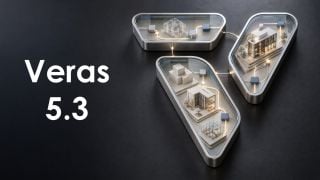
Veras 5.3 introduces NODES, a visual workflow builder now in Beta that lets users generate parametric geometry and bake it directly into Revit, Rhino, or SketchUp. The system shifts Veras from rendering-first to a full generative design platform with interactive design tools.
SketchUp 2025–2026 has added native PBR materials, AI image generation, and real-time rendering plugins like Lumion View, letting archviz artists produce photorealistic images without leaving the viewport. This collapses the traditional design-to-render pipeline.
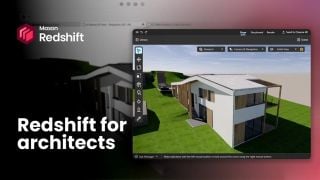
Maxon's Redshift 2027.0 cuts render times by up to 15% through memory optimization and adds official Archicad integration alongside improved materials and live feedback tools.
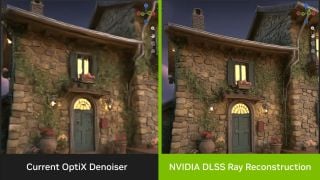
Blender 5.3 arrives November 10 with DLSS 4.5 Ray Reconstruction, an AI-powered denoiser for Cycles that works on RTX 20–50 series cards. The upgrade promises faster interactive lighting workflows at near-final quality.
Chaos released V-Ray for Blender 7.4 with Windows ARM64 compatibility, Phoenix Ocean textures for exterior scenes, Quick Sun Caustics for realistic lighting, and tools to organize large asset libraries and migrate from Blender's native renderer.
Maxon's October 2026 release adds procedural vegetation scattering, reworked GPU memory management in Redshift, and liquid simulation—streamlining environment work and viewport iteration for archviz studios.
A free community plugin now lets 3ds Max users with older GPUs access neural rendering via DLSS 5, potentially speeding up renders without hardware upgrades.
Maxon's Redshift 2027.0 cuts render times by up to 15% through memory optimization and adds official Archicad integration alongside improved materials and live feedback tools.
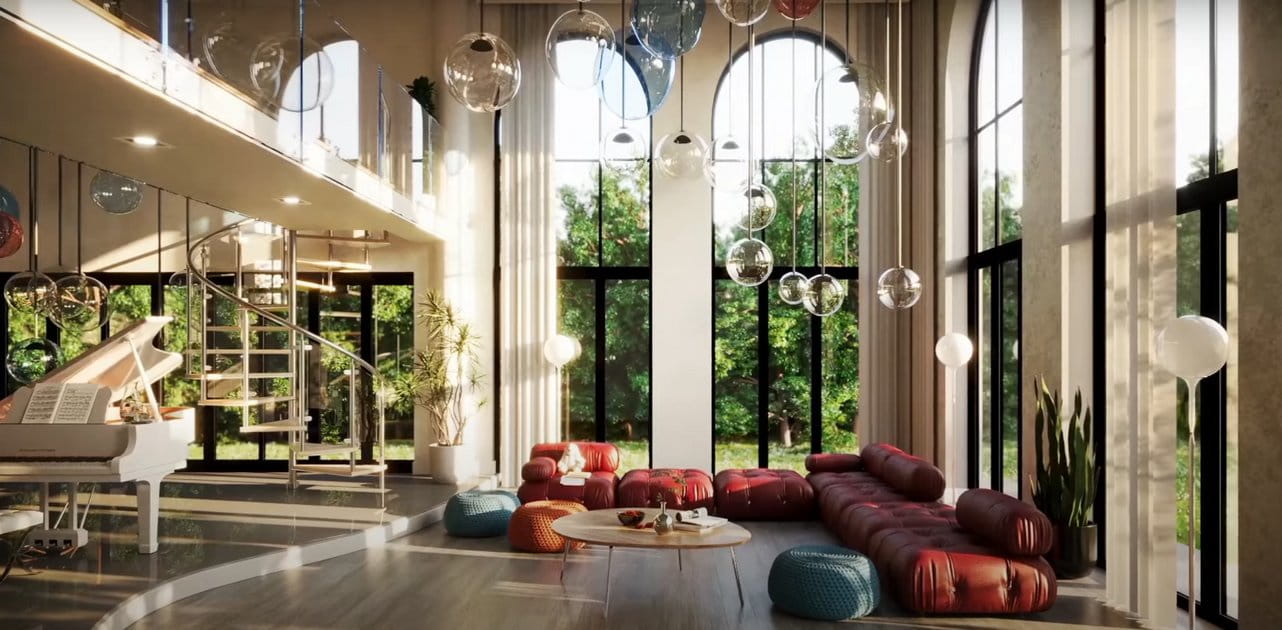
In this walkthrough, we guide you through the process of building a polished 3D interior scene inspired by the cover of Archmodels vol. 306 – Table Sets.


 Customer zone
 Your orders
 Edit account
 Add project
 Liked projects
 View your artist profile










COMMENTS