From the article, you will learn:
- How 3D furniture models support structured interior design workflows
- Where time savings appear during scene setup and revisions
- How asset consistency improves visual coherence across projects
- How furniture categories support planning and layout decisions
- How interior scenes benefit from organized asset libraries
- How teams collaborate more effectively using shared resources
Furniture models in professional interior design workflows
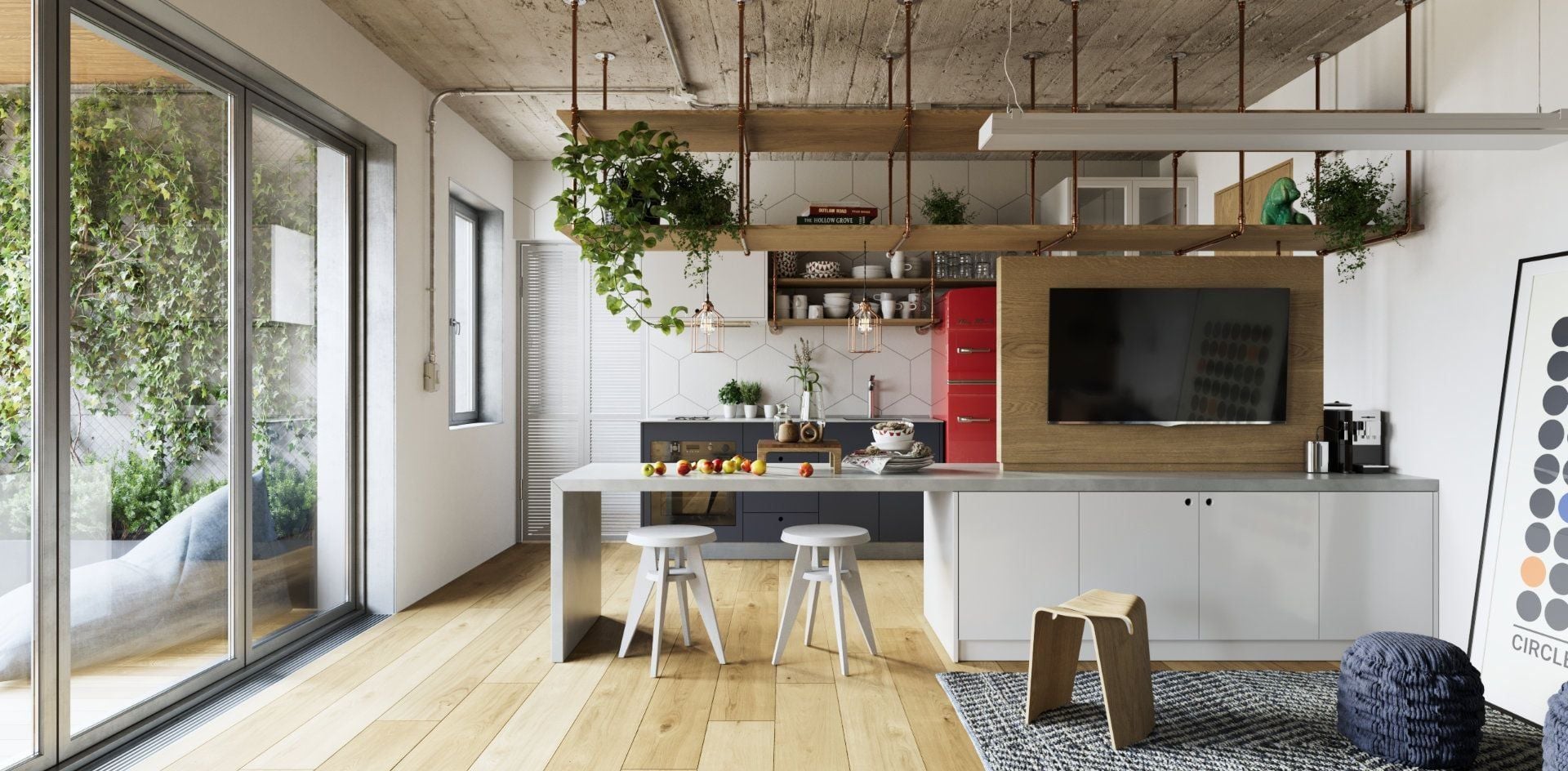
Interior visualization projects often involve many parallel tasks. Layout planning, camera setup, lighting tests, and client feedback cycles occur concurrently. Using prepared 3D furniture models allows us to separate creative decisions from technical preparation. Instead of modeling basic elements for every scene, we can focus on how the interior is structured and presented.
This approach supports repeatable workflows. When assets adhere to established standards, scene assembly becomes more predictable. Teams can move from blockout to detailed visualization without unnecessary interruptions. This stability is especially useful when working on multiple interiors within the same project scope.
Practical use in daily production
Furniture assets are commonly introduced early in the process. They help define room proportions and establish spatial logic. With this foundation, subsequent steps, such as camera framing or lighting adjustments, become more efficient. Early placement also reduces the number of layout-related revisions later in production.
Speed and consistency across projects
Speed in archviz is closely tied to consistency. When scenes are built using familiar assets, decisions are made faster and with more confidence. Teams know how assets behave in a scene and how they interact with other elements. This reduces trial-and-error and shortens iteration cycles.
Consistency also supports visual coherence. When multiple scenes share the same asset base, they naturally align in scale and style. This is particularly helpful in projects that require several interior views presented together.
Workflow clarity
Clear asset organization supports smoother collaboration. Scenes remain readable and easier to update. When adjustments are needed, team members can step in without having to understand unfamiliar structures. This clarity helps maintain momentum throughout the project.
Bedroom scenes as a planning foundation
Interior scenes focused on rest spaces require clear spatial organization. Assets from the Bedroom category help establish layout structure at an early stage. They allow us to define the main spatial relationships before refining visual details.
Using these assets supports faster exploration of camera angles and room proportions. Changes can be made without rebuilding the scene, keeping the workflow flexible. This is valuable during the client feedback stage, when layout adjustments are common.
Storage-focused assets in interior layouts
Storage elements strongly influence how interiors are structured. Assets from the Cabinets and Closet categories help define wall usage, circulation paths, and visual balance within a scene. Their placement affects how space is read and understood.
By using prepared storage assets, we can plan interiors more efficiently. They support clear zoning and help maintain consistent spacing. This leads to scenes that are easier to adjust and review, especially in complex interiors with multiple functional areas.
Seating and work zones in archviz scenes
Seating and work areas often guide how viewers interpret an interior. A well-placed Chair or Desk model helps establish focal points and clarify the space's intended use. These elements support logical composition and improve visual hierarchy.
They also help with scale control. By placing seating and work assets early, we can quickly verify proportions and maintain consistent camera perspectives. This makes scenes feel coherent and professionally structured.
Scene balance and scale
Furniture placement supports visual balance. It helps distribute elements evenly and avoid empty or overcrowded areas. This balance improves readability and supports clearer communication during presentations.
Asset libraries and team collaboration
Shared asset libraries are central to collaborative workflows. When everyone uses the same furniture models, scenes remain aligned with project standards. This reduces mismatches and speeds up reviews.
Consistent libraries also simplify revisions. Updates can be applied without rebuilding scenes, saving time and reducing errors. In practice, this means fewer manual adjustments and smoother communication between team members, resulting in a more stable production process.
FAQ
How do 3D furniture models help speed up interior design projects?
They remove the need to create basic assets for every scene. By using prepared models, teams can assemble layouts faster and move directly into composition and lighting. This shortens early production stages and reduces the number of revisions caused by late structural changes.
Are 3D furniture models suitable for complex archviz projects?
Yes. They support a consistent structure across multiple scenes. In larger projects, shared assets help maintain scale and layout logic, making coordination easier and keeping visuals aligned across different interiors.
Do prepared furniture models limit creative freedom?
No. They provide a stable base for creative decisions. We still control layout, lighting, and camera choices. Models support creativity by reducing repetitive technical work and allowing more focus on visual storytelling.
How do shared libraries improve team collaboration?
They ensure that all team members work with the same assets. This improves consistency, reduces misunderstandings, and makes it easier to step into ongoing scenes. Reviews become faster because everyone recognizes the asset structure.
Can furniture models be reused across different projects?
Yes. Reuse supports efficient production. Familiar assets allow faster setup in new scenes and help maintain consistent visual standards across multiple client projects.
How do furniture assets support communication with clients?
Clear and structured interiors are easier to understand. Furniture models help present spatial ideas accurately, which supports clearer feedback and smoother approval processes during project reviews.



 Customer zone
 Your orders
 Edit account
 Add project
 Liked projects
 View your artist profile









COMMENTS