Evermotion: More Than an Asset Library
How Evermotion became a full-scale production partner for archviz, automotive and synthetic data.


Total: € 0
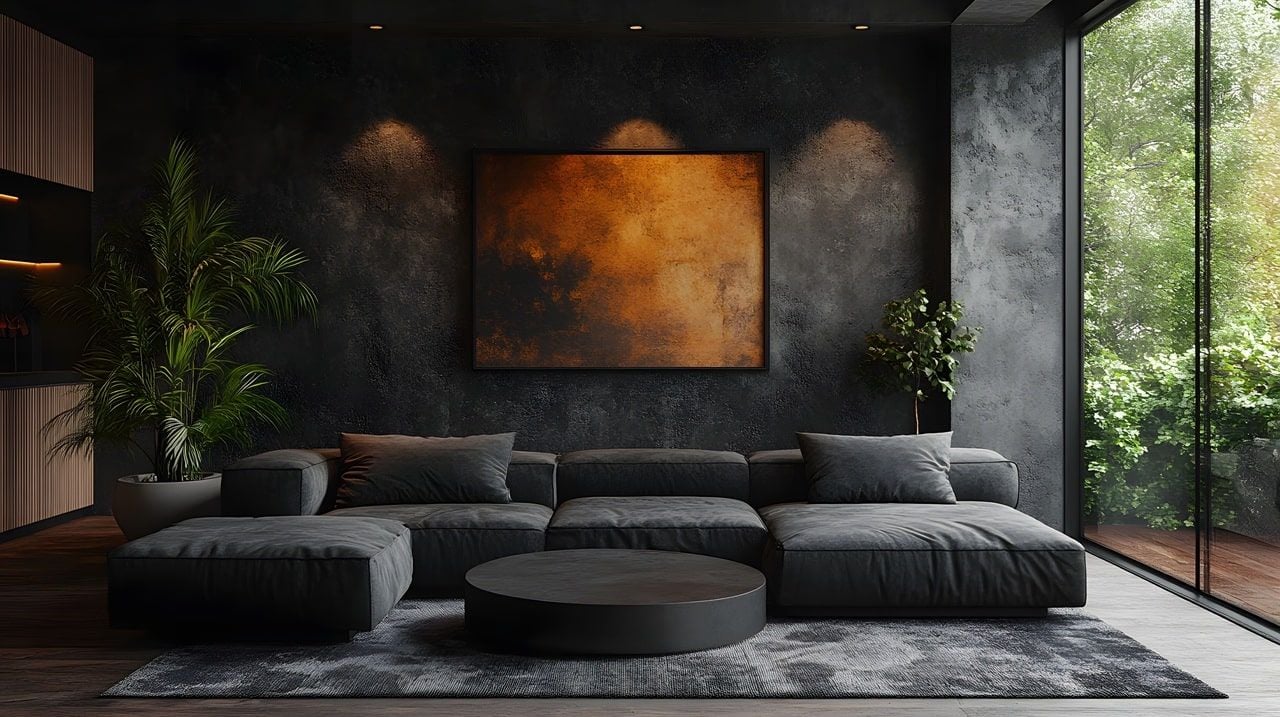

When creating a photorealistic render, one of the first things a viewer notices is surface quality. Even with precise lighting and models, a scene can feel unfinished without realistic textures. That’s where archmaterials become essential—they add subtle depth and fine detail that elevate the overall look.
We use archmaterials to replicate real-world surfaces in a digital environment. Their application allows us to control how light behaves across different materials, like concrete, wood, or glass. With high-resolution texture maps, surfaces can display wear, grain, reflection, or roughness believably.
The right materials help avoid a flat or artificial appearance. Detailed bump, normal, and displacement maps add micro-variations to a surface, which makes the final render feel more dynamic. Instead of manually modeling fine details, you can rely on high-quality textures to do the heavy lifting, saving time and increasing consistency across your visualizations.
Efficiency is a priority in every production pipeline. Using pre-built, optimized, and organized archmaterials means less time adjusting settings and more time refining the scene.
At Evermotion, we develop materials with standardized setups that simplify integration into popular rendering engines. This means they work out of the box and require minimal tweaking. When every texture comes with well-defined albedo, roughness, normal, and height maps, the guesswork is removed, allowing you to stay focused on creative decisions.
Faster setup leads to quicker iterations and smoother client feedback loops. Reliable archmaterials allow teams to scale up without sacrificing visual quality. This results in a shorter path from concept to presentation, making them a smart investment for anyone working under tight deadlines.
Great renders are not just about geometry—they are about atmosphere, light interaction, and material fidelity. Viewers can immediately sense the difference between average and exceptional renders based on how surfaces appear under light.
Subpar materials can flatten a design and make even well-constructed geometry feel generic. On the other hand, well-developed archmaterials contribute to a more immersive presentation. They support the storytelling power of your scene, helping clients and audiences connect more deeply with the visualization.
Visual coherence = stronger client impressions. When textures are consistent, detailed, and true to their intended material, they bring clarity and richness to a project that text alone cannot communicate.
Large architectural scenes often involve dozens—if not hundreds—of surface types. In these cases, reusing high-quality archmaterials can drastically improve workflow efficiency and visual harmony.
Pre-built textures save time during mass application across floor plans, facades, and interiors. Because the materials have already been balanced and tested, there’s no need to fine-tune each instance manually. This consistency across assets gives scenes a polished, uniform look.
With scalable resources, we maintain both realism and speed, two things often in conflict during tight project timelines. Instead of building materials from scratch, it’s more effective to use those built with professional standards in mind.
Feedback is an ongoing part of any visualization process. But using high-resolution archmaterials reduces the amount of corrective work required. Clients can see accurate representations of materials early in the design phase, resulting in more informed approvals.
When textures are aligned with real-world expectations, they remove ambiguity. Instead of adjusting materials post-feedback, we can focus on layout or lighting adjustments—things that truly impact the design vision.
Professionally developed archmaterials increase trust in the presentation. Clients see lifelike previews, which reduces misunderstandings and accelerates decision-making. That kind of reliability adds value not just to the render, but to the entire creative process.
Waiting for a full render is no longer necessary just to test surface finishes. High-quality archmaterials speed up real-time previewing in compatible software, allowing for faster iterations and more confident creative choices.
Having textures optimized for performance and visual fidelity allows teams to explore material combinations without compromising speed. Whether adjusting wall finishes or experimenting with flooring types, we can see results immediately and respond to feedback faster.
This boosts creative flexibility during early project stages and leads to better alignment across the team. The result? Faster client approvals, smoother workflows, and more cohesive outcomes.
Sometimes it’s the smallest details that make a render feel complete. Subtle imperfections—like surface roughness, color variation, or edge wear—are hard to fake manually. With carefully crafted archmaterials, these details are built in, saving time and increasing quality.
Without them, scenes can look overly polished and less believable. Using rich materials means even background surfaces support the realism of your project. This attention to texture enhances the overall mood and storytelling of a render.
We work with textures that provide these subtle cues to keep projects grounded in reality. From lighting behavior to depth perception, the right archmaterials reinforce a sense of scale and place.
A consistent material library isn’t just convenient—it’s essential for maintaining a unified visual style. When every scene uses matching archmaterials, branding and tone remain clear throughout your portfolio.
This is especially useful across teams, where many artists contribute to the same project. Shared, high-quality textures make collaboration smoother and ensure results match the original vision.
Using a centralized source like Evermotion helps ensure all textures maintain the same level of realism, resolution, and organization. That uniformity helps us deliver visualizations that are not only technically strong but also artistically cohesive.







LEAVE A COMMENT


|

|

|

|

|
 Customer zone
 Your orders
 Edit account
 Add project
 Liked projects
 View your artist profile
COMMENTS