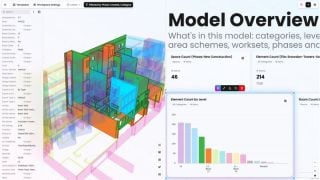
Chaos has acquired Vyssuals, a real-time BIM data-visualization platform for Revit and IFC models. The move extends Enscape beyond rendering into live dashboards tracking quantities, costs and design quality.
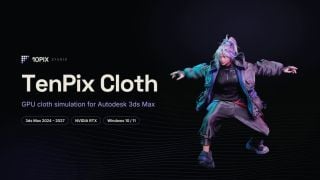
TenPix Cloth, a new GPU-powered cloth simulation plugin for 3ds Max 2024–2027, launched October 2026 with 20 modifiers and a $150 introductory price. The tool requires NVIDIA RTX cards and includes features for collision, tearing, seams, and thread simulation.
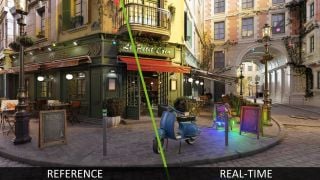
NVIDIA's updated RTX Path Tracing reference implementation brings 20% performance gains, quadruples geometry and light limits, and adds Windows ARM64 support. The optimizations hint at techniques that may eventually reach production renderers and real-time engines.
Epic is removing EULA restrictions on AI training from Unreal Engine and MetaHuman outputs, but individual developers can still opt out. The move raises questions about consistency as Epic simultaneously issues DMCA takedowns against AI-generated game clones.
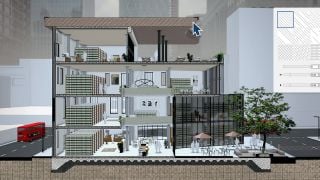
SketchUp 2027 integrates procedural modeling, AI rendering, and Claude-powered generation to speed concept work before handoff to external renderers. System requirements narrow to Windows 11 and Apple Silicon, and a Ruby upgrade may affect plugins.
ITOOSOFT's free ColorEdge plugin uses procedural edge detection to blend road and terrain materials without geometry or baking. It works with V-Ray and Corona CPU renderers on 3ds Max 2022–2026, though GPU users should test compatibility first.
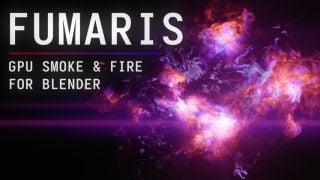
Fumaris, a $39 GPU-based simulation extension for Blender 5.1+, lets archviz artists bake smoke and fire effects in real time using NVIDIA Flow, eliminating the traditional export-to-external-simulator workflow.
A new $39 plugin for 3ds Max 2022–2027 ports Maya's UV Editor interface—component modes, marking menus, and edge selection—directly into Max. Built on the native Unwrap UVW modifier with a 25% launch discount, it cuts repetitive UV work for archviz studios.
NVIDIA's updated RTX Path Tracing reference implementation brings 20% performance gains, quadruples geometry and light limits, and adds Windows ARM64 support. The optimizations hint at techniques that may eventually reach production renderers and real-time engines.
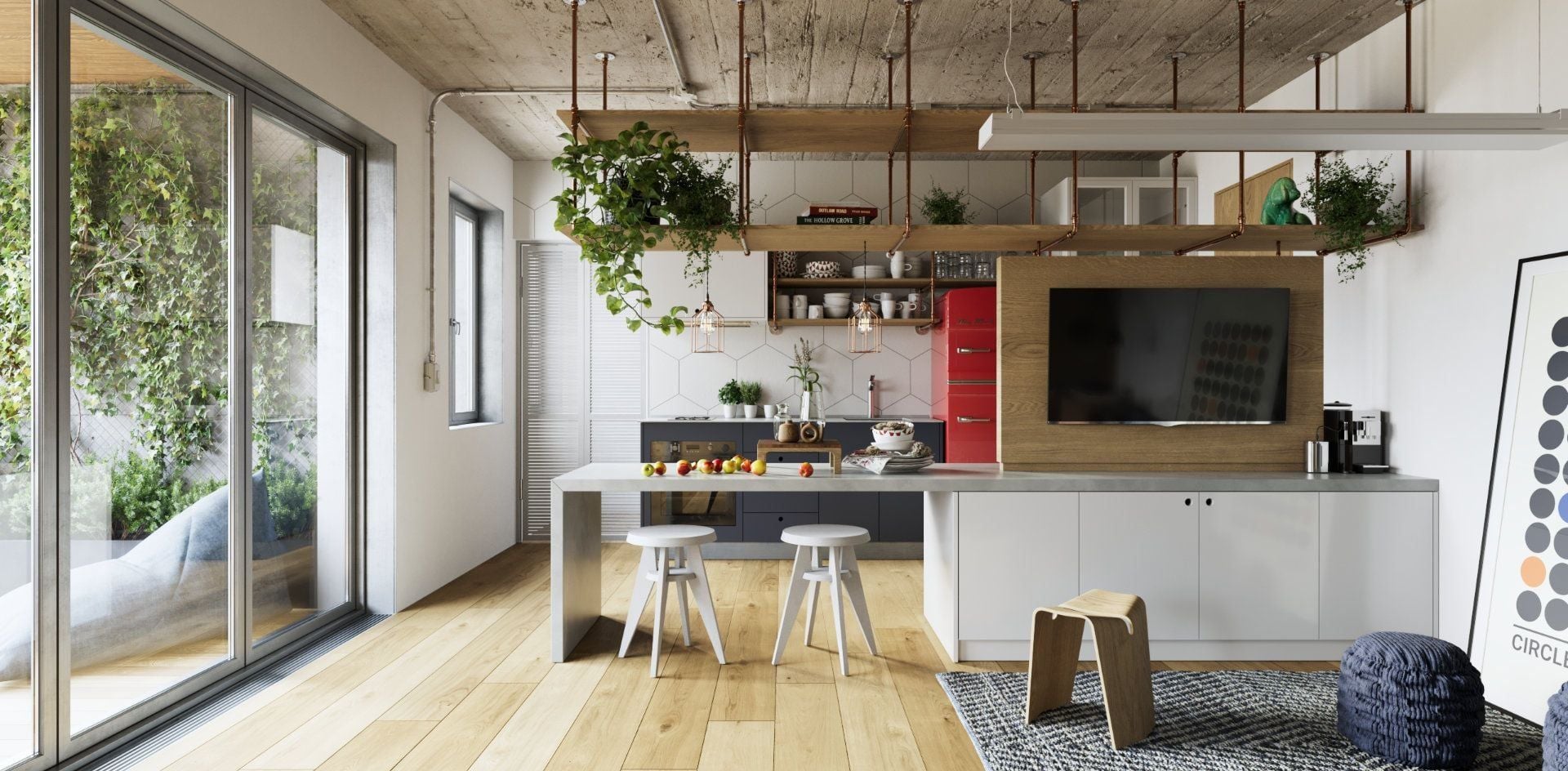
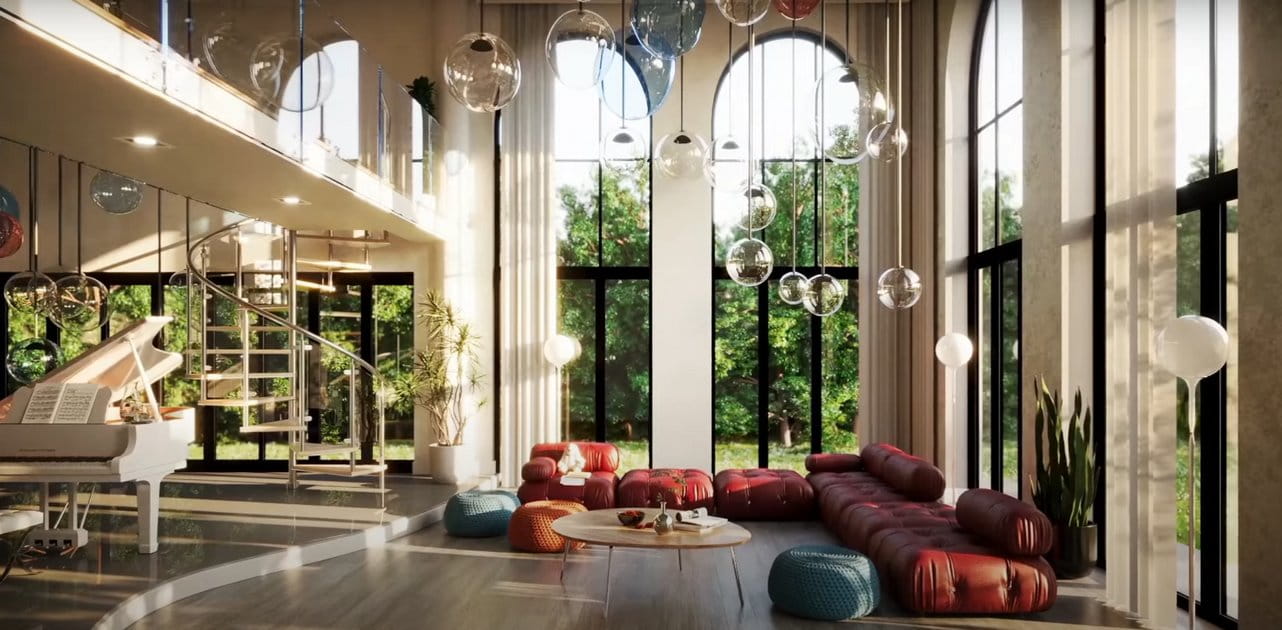
In this walkthrough, we guide you through the process of building a polished 3D interior scene inspired by the cover of Archmodels vol. 306 – Table Sets.
COMMENTS