Search
Cart
Your cart - 0 items
Total: € 0
Total: € 0
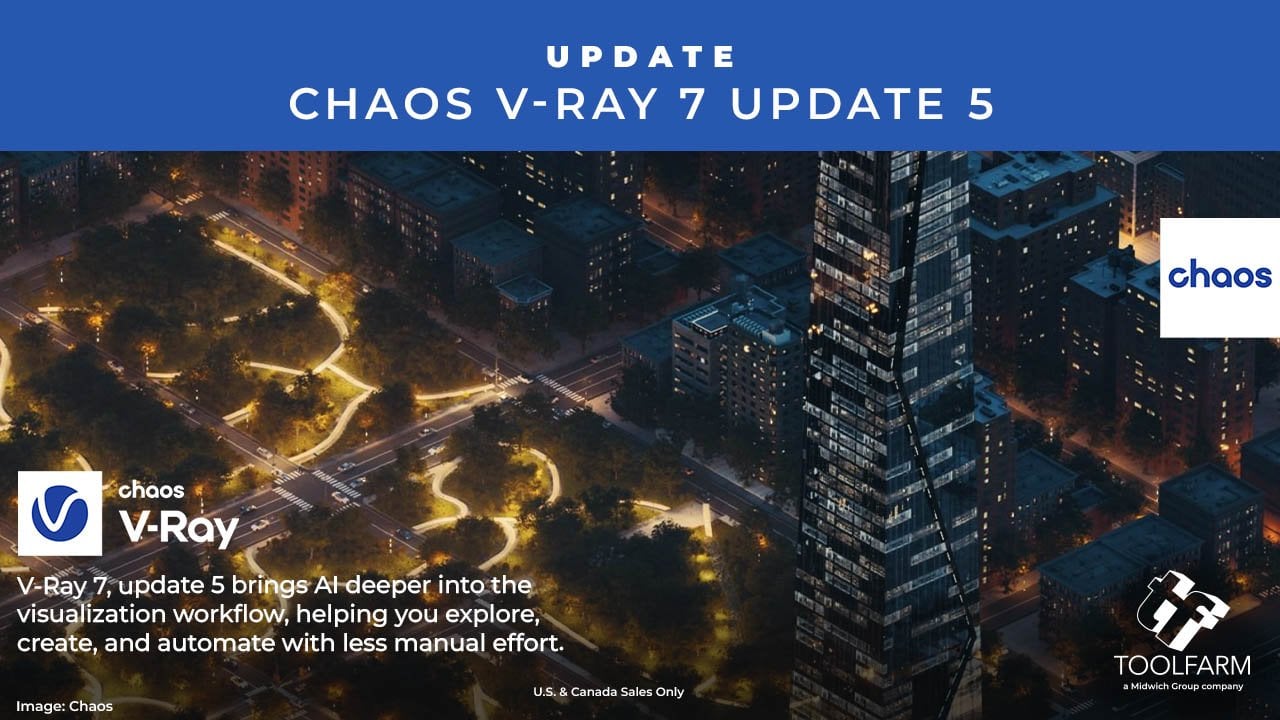

Chaos released V-Ray 7, Update 5 on November 5, 2026, embedding AI tools across scene building, asset creation, and rendering. The update integrates Claude and ChatGPT via Model Context Protocol (MCP) servers for direct scene modification, adds 2D-to-3D asset generation from reference images, and expands hardware choices with AMD GPU rendering through HIP. It also bundles access to Vantage real-time ray tracing for Collection license holders, directly addressing competition from real-time engines.
The AI assistant provides context-aware guidance for new users learning V-Ray. The MCP server integration allows agents like Claude and ChatGPT to access and modify V-Ray scenes, available now for SketchUp and Rhino; third-party MCP support for 3ds Max is coming. According to Dinnie Muslihat at Chaos, 'V-Ray 7, update 5 brings AI deeper into the visualization workflow, helping you explore, create, and automate with less manual effort.'
Asset generation now works from 2D references, cutting manual modelling time. V-Ray integrates image and video synthesis up to 4K with audio using Veo 3.1, Grok Imagine, Gemini Omni, and OpenAI models, reducing the work of populating scenes from scratch.
For lighting and animation, the update adds a Cylinder Light for neon signs and linear architectural elements, native V-Ray Spotlight with barn doors for SketchUp, Rhino, and 3ds Max, and new Volume Objects and Shaders for volumetric effects including native TyFlow Inferno support. Anima AI pathfinding speeds crowd and traffic simulation, supported by 240 new animated characters. The Node Material Editor gains better previews, easier node editing, and direct displacement connections.
AMD GPU support through HIP joins existing NVIDIA options, expanding hardware choices. Vantage real-time ray tracing is accessible from within V-Ray for SketchUp and Rhino if you hold a Collection license, letting you switch render modes mid-project without leaving the workflow. Spanish language support for V-Ray on SketchUp also arrives in this update.
Video: Toolfarm
For established V-Ray artists, the MCP server integration and 2D-to-3D generation compress scene setup time and iteration cycles. You can test variations without leaving the renderer, and Claude or ChatGPT can adjust materials, lighting, or geometry on command. AMD GPU support diversifies hardware spending, particularly for studios already committed to RDNA infrastructure.
Access to Vantage real-time ray tracing sits behind the Collection subscription tier. This bridges offline quality and real-time iteration for clients who want faster feedback during review cycles, though the requirement to hold a full Collection license ( $1,210.80 per year according to published rates) makes it a premium feature. MCP support for 3ds Max remains incomplete; Chaos lists third-party MCP support as 'coming soon,' which may delay deep AI integration for the largest installed base.
Archmodels, Archinteriors, and Archexteriors users gain tighter integration. The 2D-to-3D asset generation and integrated image synthesis can accelerate furniture and prop population from reference boards. Scene assembly speed improves across the board, though quality-first archviz pipelines will continue to favour hand-tuned assets and materials where client budgets allow.
Toolfarm notes that the release 'integrates intelligent assistance, workflow automation, asset generation, real-time rendering, and animation enhancements across V-Ray, Vantage, Anima, Cosmos, and Veras while preserving the precision and creative control artists expect from V-Ray.' The positioning is clear: Chaos is sharpening V-Ray's speed and ease of use to compete with D5 Render, Blender, and Enscape, which are growing market share by offering faster iteration. Where real-time engines have made offline rendering feel slow, V-Ray 7.5 aims to narrow that gap with embedded intelligence and hardware flexibility.
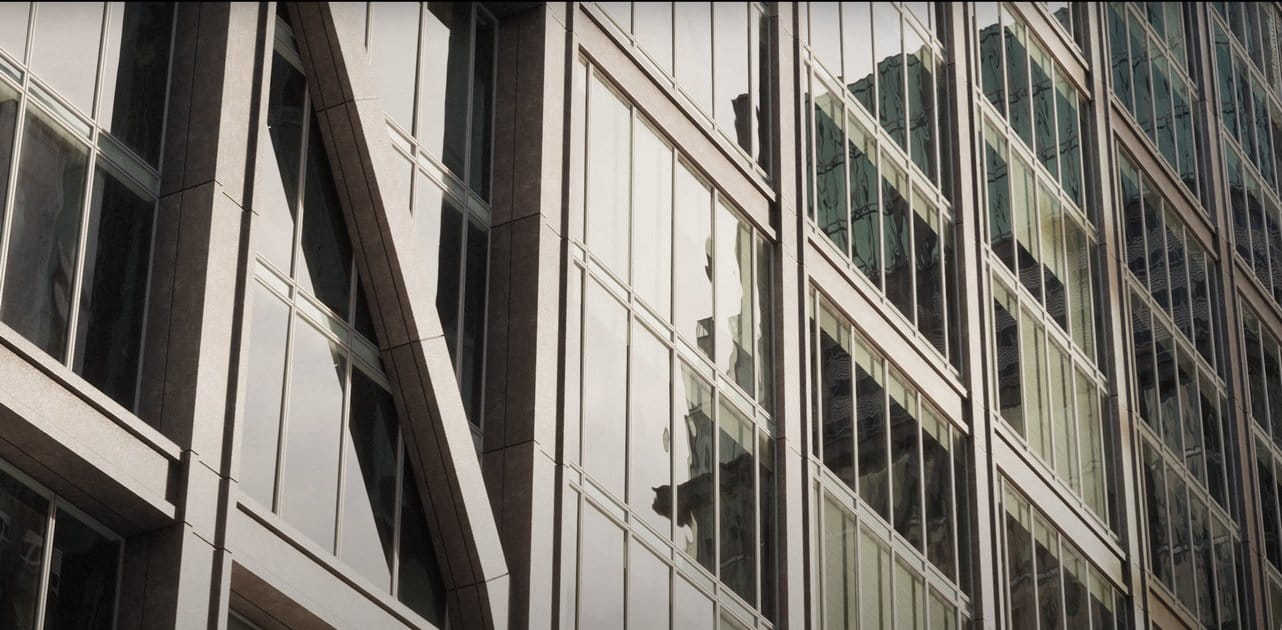
Lead image: Toolfarm



LEAVE A COMMENT







|

|

|

|

|
 Customer zone
 Your orders
 Edit account
 Add project
 Liked projects
 View your artist profile

COMMENTS