From the article, you will learn:
- Which professional sectors rely on 3D models in daily operations
- How digital assets function as working materials
- Why spatial representation supports team coordination
- How visualization improves internal communication
- What purposes models serve beyond final imagery
- How different industries apply similar visual principles
Industries built around digital assets
Digital assets are visual components created to represent objects, spaces, or environments in a controlled digital space. In professional practice, they are not decorative elements. They function as structured resources that support design thinking and collaboration. Teams rely on them to convey ideas that are difficult to express in text or drawings alone.
Across industries using 3D models, these assets operate as a common visual foundation. Designers, planners, and visualization specialists often work in parallel, referencing the same materials. This shared base helps maintain consistency and reduces the risk of misinterpretation between roles. A model can clarify scale, spatial relationships, and composition without extended explanation.
Another shared aspect is repeatable use. Once created or acquired, a digital asset can support multiple stages of work. It may be reviewed, adjusted, or repurposed as a project evolves. This makes models practical tools that support organization and continuity rather than single-use visuals.
Architecture and construction workflows
Architecture and construction depend on a clear understanding of space. Three-dimensional representations help teams evaluate layouts, volumes, and relationships between elements. They support early planning by showing how concepts function as complete spaces rather than isolated components.
Within 3D models for architecture and construction, visual materials also serve as communication bridges. Architects, consultants, and investors often have different backgrounds and priorities. A shared model enables them to discuss the same proposal using a visual reference rather than technical descriptions. This supports clearer discussions and more focused feedback.
Models are also used to support internal coordination. Design teams review ideas together, assess proportions, and identify potential issues before decisions are finalized. This approach helps structure discussions and ensures that everyone refers to the same visual intent throughout the project lifecycle.
Digital assets in gaming and entertainment
Entertainment projects require coherent digital worlds that feel internally consistent. Models act as foundational elements that define structure and scale across scenes. Creative teams use them to compose environments and ensure that visual elements work together within a defined space.
In 3D models in gaming and entertainment, assets often circulate between departments. Artists, level designers, and visualization specialists rely on shared references to maintain alignment. This shared access supports collaboration and helps avoid inconsistencies that could disrupt visual continuity.
Models also support planning and iteration. Teams review scenes as assembled compositions rather than isolated elements. This allows them to evaluate balance, density, and overall structure. The focus remains on visual clarity and cohesion rather than technical execution.
Product design and concept development
In product-oriented work, ideas often begin as abstract concepts. Three-dimensional models help translate these ideas into visible forms that can be reviewed and discussed. They provide a clear representation of shape and proportion, supporting evaluation at early stages.
Using 3D models for product design, teams can communicate concepts across departments without relying solely on written explanations. Visual assets support discussions between designers, managers, and stakeholders. This shared understanding helps align expectations and supports the provision of structured feedback.
Models are also useful for comparing variations. Different concepts can be reviewed side by side in a consistent visual format. This helps teams assess options and refine their direction while maintaining clear communication.
Marketing and visual communication
Marketing communication relies on clear and consistent imagery. Three-dimensional assets support this by providing controlled representations that can be adapted for different visual needs. They help maintain coherence across materials while supporting varied compositions.
In 3D models for marketing and visualization, teams focus on presenting information clearly and legibly. Models support the creation of visuals that explain form and context without excessive text. This approach facilitates the efficient communication of ideas while maintaining consistent visual standards.
Visual assets also support internal alignment. Marketing, design, and visualization teams can use the same references, ensuring that imagery reflects the agreed concepts. This reduces revisions caused by inconsistent interpretation.
Shared needs across creative industries
Despite different goals and outputs, many creative sectors share similar visual requirements. Teams need assets that support clarity, consistency, and coordination. Three-dimensional models meet these needs by organizing visual information in a structured form.
Across industries using 3D models, professionals value control over visual content. Models allow teams to manage complexity and maintain alignment across contributors. They support communication by making ideas visible and comparable.
Rather than serving one narrow purpose, models function as adaptable tools. They connect planning, discussion, and presentation within a single visual framework. This makes them a reliable foundation for collaborative creative work.
FAQ
How do 3D models support collaboration between different professional roles?
Three-dimensional models provide a shared visual reference that all participants can understand, regardless of background. Designers, planners, and visualization specialists can discuss the same asset and review changes together. This reduces ambiguity and helps keep discussions focused on concrete visual elements rather than assumptions.
Why are visual assets preferred over written descriptions in complex projects?
Written descriptions require interpretation, which can differ between readers. Visual assets show relationships, scale, and structure directly. A model presents information in a unified form, allowing teams to evaluate ideas more efficiently and with fewer misunderstandings.
Are 3D models used only for presentations?
No. In professional practice, models are used throughout the development process. They support early concept discussions, internal reviews, and inter-team coordination. Their role changes over time, but they remain active working resources rather than merely final outputs.
How do shared models improve internal communication?
Shared assets ensure that all team members refer to the same visual information. This supports consistent feedback and reduces the need for repeated clarification. Discussions become more focused because everyone evaluates the same reference.
What makes 3D models accessible to non-designers?
Models present ideas visually without requiring technical knowledge. Decision makers can understand space, proportion, and relationships intuitively. This helps them provide more accurate feedback and participate more actively in discussions.
Do different industries use the same type of models?
While purposes vary, the underlying approach is similar. Each sector adapts models to its own goals, such as planning, visualization, or communication. The shared requirement is clarity and consistency in visual representation.
How does Evermotion relate to the professional use of digital assets?
We work within the CG field and support professionals who rely on structured visual resources. Our experience reflects real production needs across multiple creative sectors, where digital assets function as practical tools for everyday work.




 Customer zone
 Your orders
 Edit account
 Add project
 Liked projects
 View your artist profile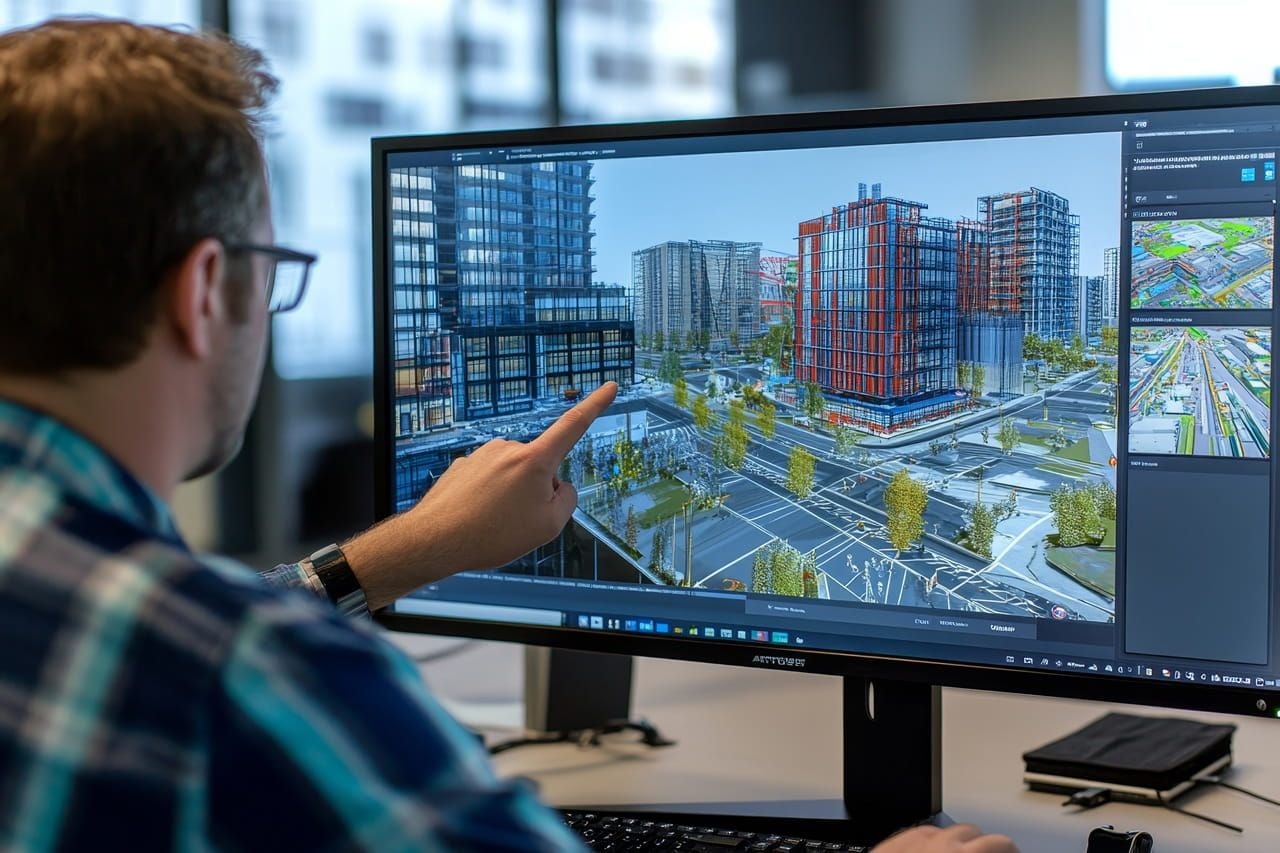













COMMENTS