Precise object placement matters in 3D bathroom visualizations. Adding the right accessories strengthens scene layout, supports realism, and improves workflow efficiency.
Details: Define Quality in Interior Renders
Strong visualizations depend on consistency, structure, and practical context. When working on bathroom interiors, focusing only on large fixtures often leaves the scene feeling incomplete. Accessories such as towels or a washbasin reinforce the visual story and contribute to a realistic environment. These small but meaningful elements indicate function and contribute to visual balance throughout the space.
High-quality 3D accessories guide composition, introduce variation, and help organize zones within the room. Professionals using Evermotion’s assets can create cleaner, more believable interiors by carefully placing supporting items. Each element should serve a purpose, adding complexity without overwhelming the scene.
Clients and viewers expect visual logic in every area of a render. Ready-to-use models, such as toilets and showers, enable creators to complete their scenes more efficiently while maintaining a consistent level of detail. They also reduce repetitive editing, allowing more time to adjust lighting and materials.
Focused accessory use = higher quality visual storytelling
Simple objects complete the picture. They are not filler, but intentional parts of the overall design process.
Visual Depth Through Realistic Towels
Well-placed towels offer more than texture contrast. They represent daily use and improve the overall readability of a space. When used with attention to placement and proportion, they support the idea that the bathroom is not only a designed environment but also a functional one.
The addition of towels changes how the viewer reads the layout. They draw attention to specific zones, soften transitions between hard surfaces, and enhance the flow between larger fixtures, like a washbasin or bathtubs. These accessories also guide camera work by helping frame vertical and horizontal planes within a scene.
Towels support both contemporary and classic interiors. Their versatile form and scale make them effective in almost any render setup. Paired carefully with surrounding elements, they improve texture variety and create visual interest.
By including towels in the scene, creators reduce the risk of leaving empty or underdeveloped areas. A complete bathroom visualization benefits from soft materials that visually and practically connect users to the space.
Bathtubs Anchor the Layout
A well-placed bathtub contributes to the overall structure of the bathroom. Its scale, shape, and position influence how surrounding elements are used. It is a central fixture that helps organize the composition and allows accessories to work in harmony with one another.
Bathtubs affect how viewers understand the function of the room. They define luxury or simplicity, depending on the scene’s intent. When placed with precision, they support a more balanced distribution of detail across the environment.
In visualizations where faucets, towels, and other items are added, the bathtub often provides the main anchor. This results in stronger depth, better lighting reflections, and improved material contrast.
Designers can use the bathtub to improve the relationship between furniture and space. Its presence allows for subtle storytelling, suggesting usage and defining purpose in a way that supports the overall layout.
A bathtub enhances the structure of an interior scene by guiding camera position, supporting symmetry, and providing a focal point that can be further enhanced with additional accessories.
Small Additions Like Faucets Complete the Scene
Faucets may be small, but they play a crucial role in supporting realism by connecting key objects in the bathroom. Their inclusion helps link elements like the washbasin or bathtubs, ensuring visual continuity across the space. When missing, the absence is noticeable. When used correctly, they enhance the room’s logic.
Faucetscontribute to scene quality by creating natural highlights and material transitions. Their shape and finish often reflect the colors and lighting in the surrounding area, adding variety to neutral or minimalist layouts. These reflections support depth and complexity without necessitating significant changes to the environment.
Their position also influences visual flow. A faucet located near the basin or tub allows for more natural camera angles and helps explain the utility of the space. Together with other objects, they contribute to the full structure of the scene.
Faucets also give stylists more options for arranging accessories. They connect core objects, helping create scenes that look complete and ready for presentation. Their presence reinforces the professional finish expected in commercial interiors.
Build Depth and Function with Showers
Including showers in your scene provides better spatial logic and supports a complete room design. Showers help divide wet and dry zones, indicating where and how users interact with the space. This improves layout understanding and gives depth to the overall visualization.
Because showers often include glass panels or frames, they help add vertical and reflective surfaces. These work well with lighting strategies and support strong composition lines across the room. Combined with a washbasin or toilets, they shape the final layout and complete the visual story.
They also help fill space naturally. Instead of empty corners or flat walls, a shower introduces structure and guides movement. This reduces visual gaps and enhances the overall quality of the render. Their shape and style can also complement the tone of the interior, whether modern, classic, or minimalist.
When placed strategically, showers do not distract from the main fixture. They work alongside it, allowing for better lighting distribution and stronger surface contrasts. They are essential in completing the functional character of any bathroom visualization.
Add Realism with Toilets and Washbasins
In professional bathroom renders, toilets and a washbasin are essential for layout consistency and spatial logic. Their inclusion signals that the space is designed for actual use, not just visual appeal. These elements are often placed near walls or corners, helping define edges and structure.
Toilets help complete zones and ensure the viewer understands the full layout. When placed with correct spacing, they balance other fixtures and reduce negative space. Together with mirrors, walls, and other small accessories, they support better camera positioning and create realistic interior boundaries.
A washbasin improves composition by providing an ideal point for symmetry and vertical balance. Often combined with faucets and towels, the basin functions as both a utility zone and a support element for surrounding decor. Its inclusion makes the scene feel consistent, especially in medium or close-up renders.
These components are not just background items. They finalize the room and add the practical value needed in commercial or residential interiors. When included in a well-organized scene, they help build a complete, coherent, and client-ready visualization.
Completing a scene means more than adding objects. It means selecting elements that contribute to balance, scale, and flow. Toilets and washbasins serve this purpose with clarity and efficiency.
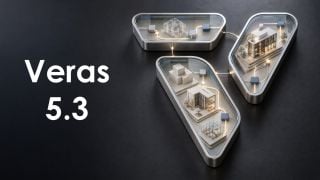
Veras 5.3 introduces NODES, a visual workflow builder now in Beta that lets users generate parametric geometry and bake it directly into Revit, Rhino, or SketchUp. The system shifts Veras from rendering-first to a full generative design platform with interactive design tools.
SketchUp 2025–2026 has added native PBR materials, AI image generation, and real-time rendering plugins like Lumion View, letting archviz artists produce photorealistic images without leaving the viewport. This collapses the traditional design-to-render pipeline.
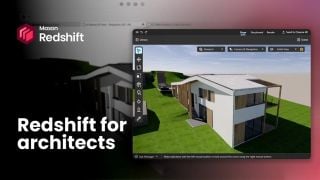
Maxon's Redshift 2027.0 cuts render times by up to 15% through memory optimization and adds official Archicad integration alongside improved materials and live feedback tools.
Blender 5.3 arrives November 10 with DLSS 4.5 Ray Reconstruction, an AI-powered denoiser for Cycles that works on RTX 20–50 series cards. The upgrade promises faster interactive lighting workflows at near-final quality.
Chaos released V-Ray for Blender 7.4 with Windows ARM64 compatibility, Phoenix Ocean textures for exterior scenes, Quick Sun Caustics for realistic lighting, and tools to organize large asset libraries and migrate from Blender's native renderer.
Maxon's October 2026 release adds procedural vegetation scattering, reworked GPU memory management in Redshift, and liquid simulation—streamlining environment work and viewport iteration for archviz studios.
A free community plugin now lets 3ds Max users with older GPUs access neural rendering via DLSS 5, potentially speeding up renders without hardware upgrades.
Chaos released V-Ray for Blender 7.4 with Windows ARM64 compatibility, Phoenix Ocean textures for exterior scenes, Quick Sun Caustics for realistic lighting, and tools to organize large asset libraries and migrate from Blender's native renderer.
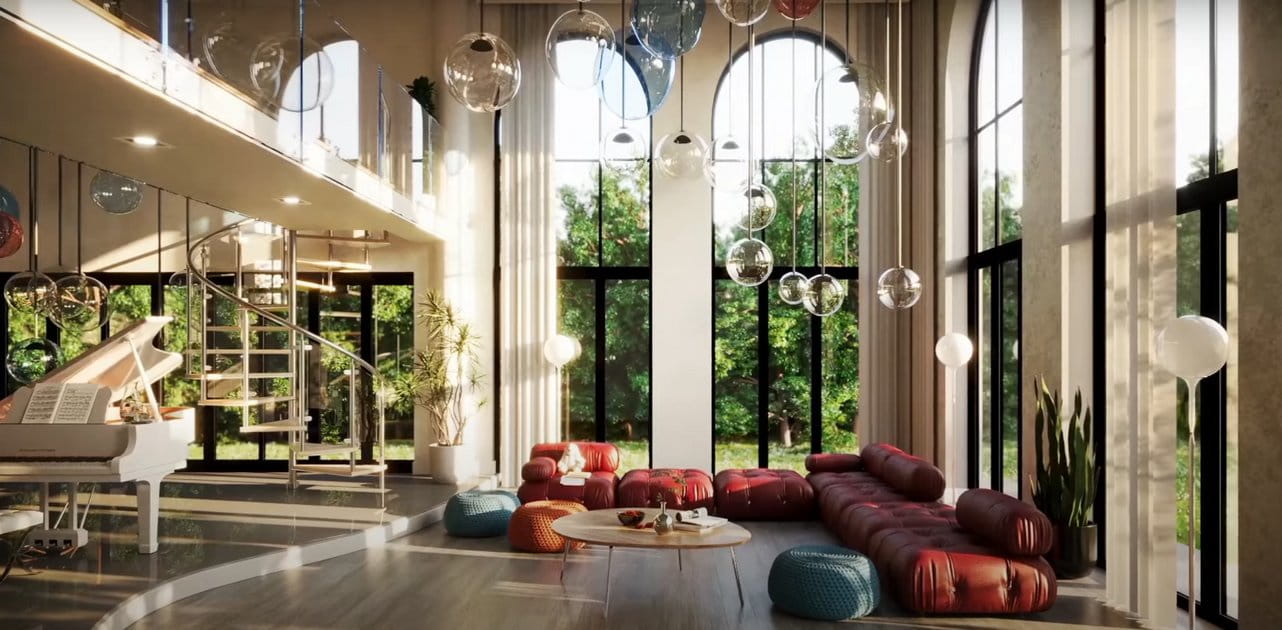
In this walkthrough, we guide you through the process of building a polished 3D interior scene inspired by the cover of Archmodels vol. 306 – Table Sets.




 Customer zone
 Your orders
 Edit account
 Add project
 Liked projects
 View your artist profile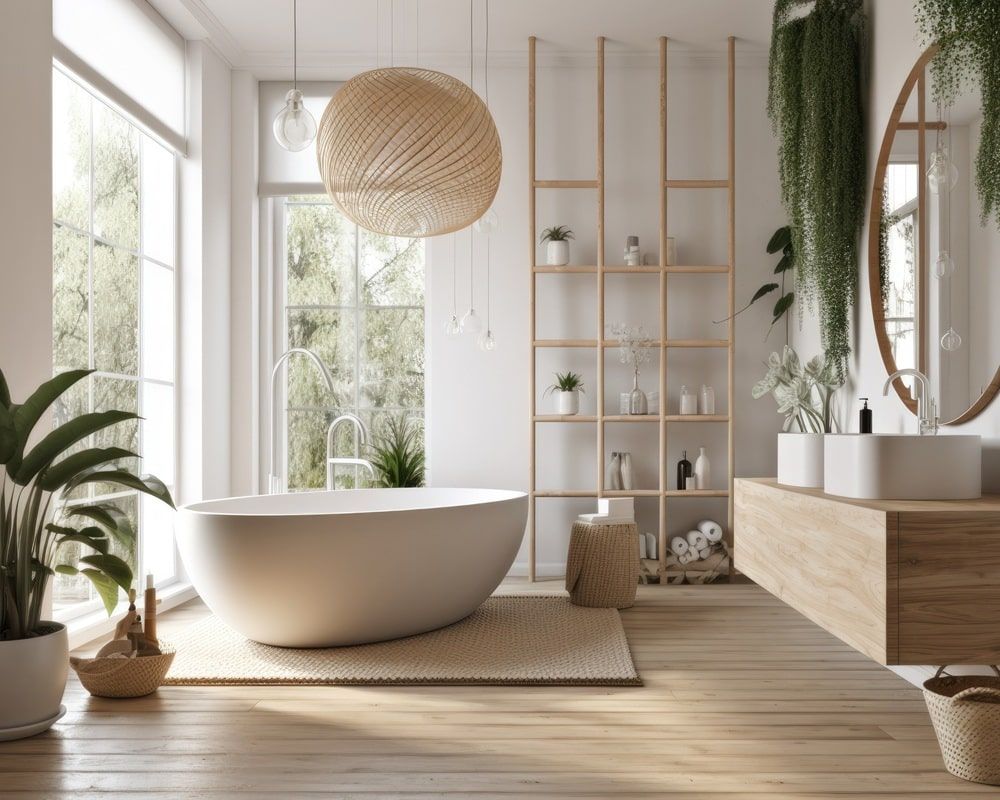










COMMENTS