Evermotion: More Than an Asset Library
How Evermotion became a full-scale production partner for archviz, automotive and synthetic data.


Total: € 0
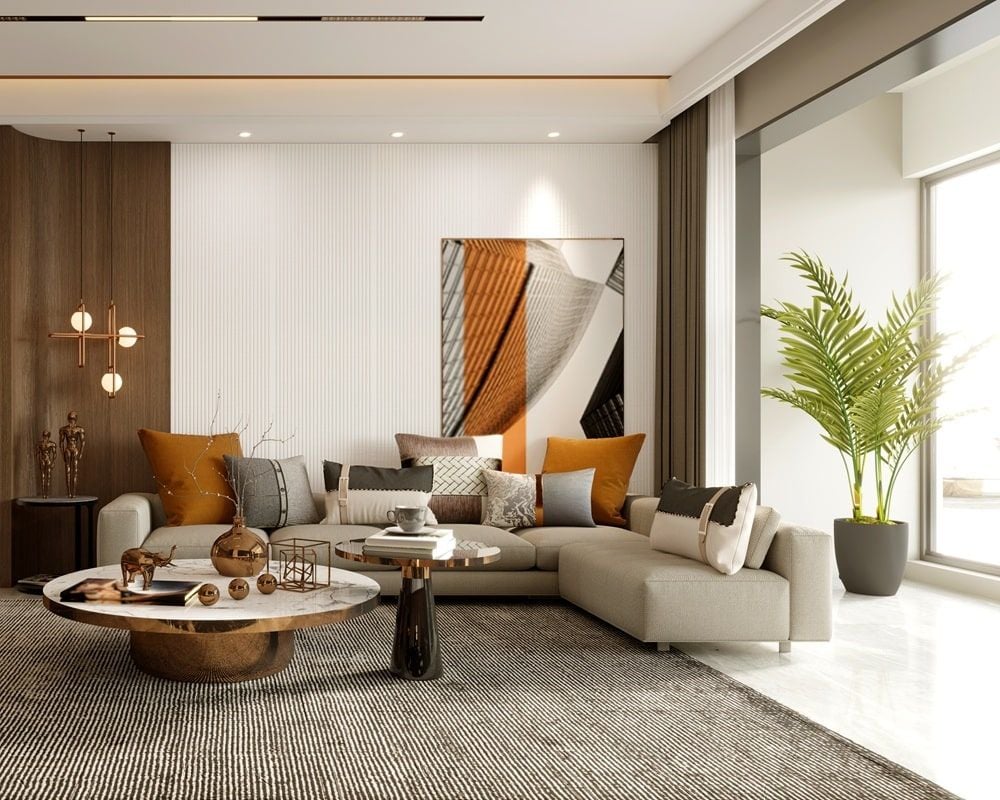
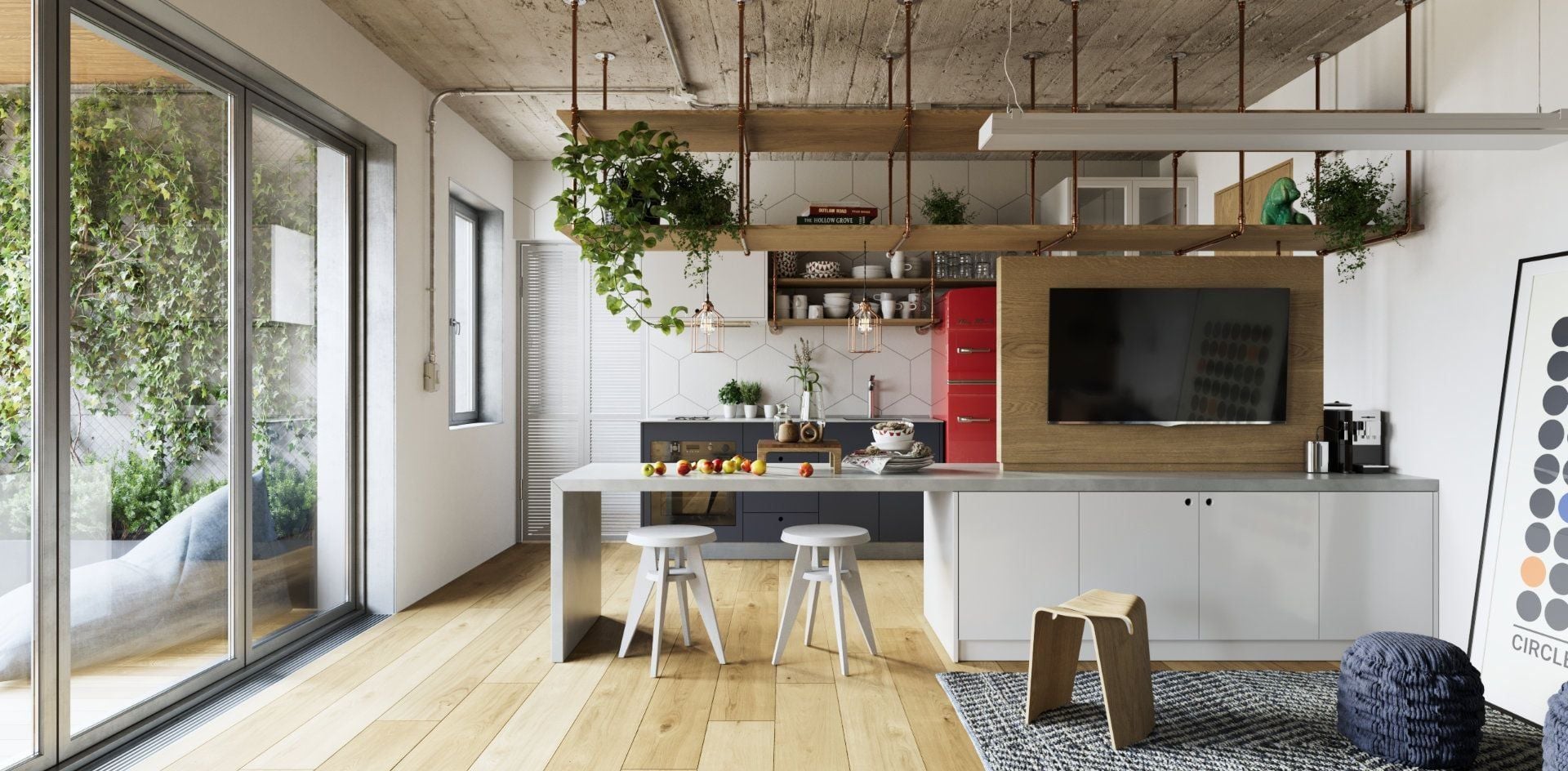
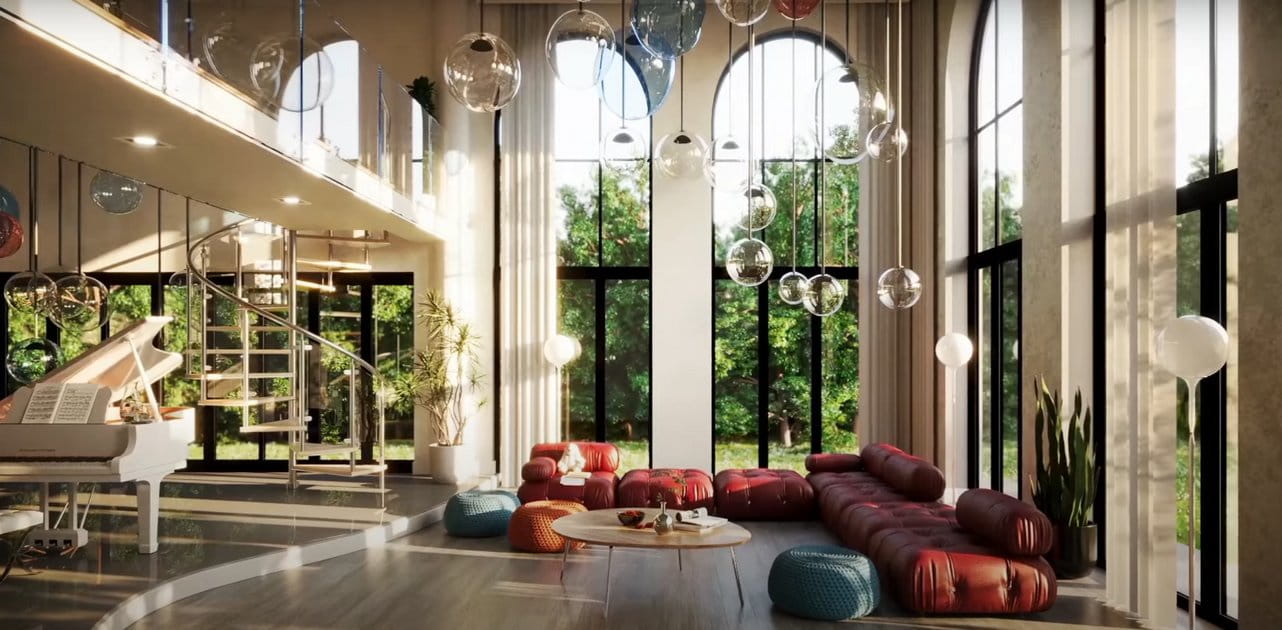
Bookshelves full of color, a single potted plant, or framed paintings: these aren’t just visual elements. In interior visualization, these details ground the viewer and give a sense of presence. When building realistic scenes in 3D, styling is the element that introduces character, subtlety, and authenticity. Our collections at Evermotion are carefully crafted to support this process through assets designed to help you achieve lifelike results.
Adding personal touches, such as open books or indoor plants, gives your project a natural rhythm. These small additions suggest life, movement, and daily routine. They are indispensable in residential or office-focused scenes. The human eye quickly identifies what feels empty or overly polished, so believable styling makes a significant difference.
We recommend considering asset scale and placement to maintain realistic proportions. A well-placed lamp on a sideboard or reading corner instantly implies usage and structure. Pair this with targeted indoor light setups to highlight depth and material variation. These decisions elevate static models into relatable interior concepts.
Use plants, literature, and art to hint at lifestyle or cultural preference. The result: visualizations that speak directly to your audience’s expectations. With our wide range of stylistic 3D elements, making every render feel lived-in is not only possible but also achievable. It is practical.
Books aren’t only for libraries or studies. They are one of the most versatile styling tools in 3D interiors. Stacked casually on coffee tables or aligned neatly on a shelf, they add rhythm and depth to flat surfaces. Their shape, texture, and placement offer context without overwhelming the composition.
Including books in your 3D scene adds:
In a professional office setting, well-organized books can strike a balance between functionality and aesthetic appeal. Paired with a lamp, they suggest a space meant for reading or working. That subtle implication of human activity brings balance to the design.
Books also blend well with other personal items, such as framed paintings or digital art. Together, they establish an identity for the space. When used in a dining or oriental interior, the effect can reflect cultural richness or personal style through subtle references.
By combining these visual cues, designers can guide the viewer’s attention while making the interior believable. At Evermotion, we focus on offering assets that support those visual strategies. The right book placement transforms a simple render into a layered, thought-out composition.
Greenery remains one of the most effective tools in interior visualizations. A single potted plant can shift the atmosphere, add texture, or soften hard surfaces. These elements also signal good design awareness by bringing organic flow into scenes that could otherwise feel rigid or overly geometric.
Using indoor plants allows you to:
In open-plan interiors, plants help define microzones, separating dining areas from lounge areas or guiding the flow of movement. A potted plant placed next to seating or incorporated into a corner arrangement with books adds a layer of relaxation and leisure to the scene.
Plants also complement other ambient objects, such as indoor light elements or decorative paintings. The interplay of light, reflection, and form can be tailored to enhance the realism of your render. When used with a warm light setup, leaves cast soft, irregular shadows that bring your render to life.
Our plant models are designed to support visual storytelling, ranging from minimalist to richly styled spaces. This includes residential, commercial, or oriental-inspired designs. Greenery adapts across themes and visual styles, making it a versatile asset in any interior.
Lighting often guides attention in a 3D scene, but it also contributes to how we interpret style and purpose. A decorative lamp is more than a light source. It implies design choices, functional habits, and even daily routine.
Accent and ambient lighting allow for:
The choice of indoor light design changes the tone. Warm lighting can soften modern interiors. Cool tones enhance industrial or high-contrast compositions. Using light as part of your styling toolkit helps your scene appear complete and naturally composed.
Pairing lamp assets with sideboards, shelves, or workstations gives viewers visual entry points. These combinations help in storytelling by subtly indicating the room’s intended use: for rest, work, or gathering.
A well-lit potted plant on a corner table or a shelf under a glowing light fixture contributes to the atmosphere. These visual decisions feel effortless in the final render. They are the result of intentional design supported by quality 3D assets.
Contemporary styling often features bolder choices, such as neon signs or statement paintings. These additions work especially well in modern or artistic interiors. In such spaces, visual hierarchy depends on strong accents.
Neon signs can be used to create visual contrast or add informal character to a scene. They are especially effective when paired with darker walls, reflective materials, or layered above simpler textures. The interplay between bright signage and background tones adds urban energy to the environment.
Meanwhile, paintings serve as key stylistic markers. They can be framed, leaned against walls, or grouped for a gallery-wall effect. In combination with books and subtle lighting, these details express the inhabitant’s identity and interests without over-explaining.
In design-forward office or living spaces, combining neon signs with a minimalist backdrop allows both color and light to take center stage, leading the composition. This styling choice is ideal for interiors aimed at younger or more creative audiences.
We provide a selection of assets that align with this visual language. They offer diversity in form, scale, and tone. Designers can use them to create compelling compositions that convey a visual narrative and remain grounded in realism.
Global influence in interior styling incorporates a combination of traditional and modern design elements. The oriental style, for instance, is often blended with minimalist or Scandinavian interiors to create contrast and balance. Using personal elements, such as plants, books, and soft lighting, bridges that gap.
Oriental-influenced assets often feature natural materials and rhythmic design. These pair well with modern neutral palettes. A clean-lined shelf with books and a potted plant introduces softness without clashing.
These hybrid styles work especially well in hospitality visualizations, lounges, and multi-use areas. They allow for:
By blending elements from various design schools, visualizations acquire a layered and inclusive aesthetic. A scene that includes both a bold neon sign and an oriental decor object feels modern without erasing cultural references.
As scenes become more complex, personal details become increasingly important. Plants, books, and art help tie it all together. Our assets make it easier to execute those choices quickly with high realism and minimal setup time.



LEAVE A COMMENT


|

|

|

|

|
 Customer zone
 Your orders
 Edit account
 Add project
 Liked projects
 View your artist profile
COMMENTS