Evermotion: More Than an Asset Library
How Evermotion became a full-scale production partner for archviz, automotive and synthetic data.


Total: € 0
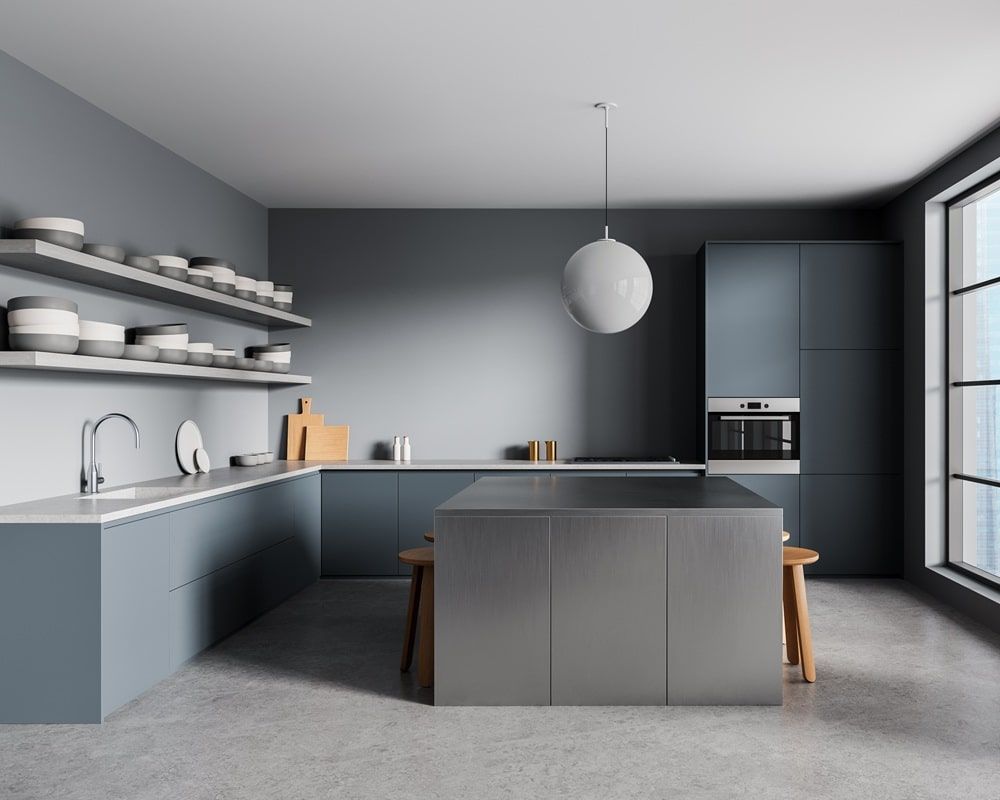

Efficient kitchen visualization relies heavily on flexible, modular elements that allow for clear and realistic representations of everyday interiors. When creating architectural visualizations, using modular kitchen furniture helps maintain adjustable layouts without compromising the natural flow of the scene. Each piece can be repositioned or reused, helping teams streamline production and deliver consistent results.
For designers and 3D artists, realistic kitchens depend on thoughtful asset selection. Integrating essential appliances like Refrigerators and Cookers adds a sense of completeness while making your scenes more relatable. These appliances often define the functional core of kitchen spaces and are a vital part of a coherent 3D setup.
Modularity also supports efficient customization. Having assets that allow quick adjustments makes it easier to match project requirements. For example, including both countertop and built-in versions of Microwaves provides the flexibility to address different design briefs with minimal rework. This approach is especially practical for interior visualizations that demand variety within limited timeframes.
When working with 3D models, structure equals speed. Organized assets, particularly in modular sets, reduce scene complexity and help avoid unnecessary duplication. Including appliances like Stoves or Dishwashers within modular systems can speed up workflow while enhancing visual accuracy across different environments.
Realistic kitchen renders often succeed because of consistency in design and proportion. Using high-quality 3D models of built-in appliances like Sink units and Dishwashers helps maintain that balance. These elements are frequently embedded into countertops and cabinets, and when properly placed, they blend naturally into the surrounding structures.
Fitting built-in elements into modular furniture sets also strengthens the visual harmony of the kitchen scene. Appliances like Toasters and Coffee Machines, when scaled correctly and placed logically, increase believability. They’re not just background props; they’re essential markers of everyday kitchen life.
Texture alignment, proportion, and spacing between cabinets and appliances all influence the outcome. Modular modeling ensures that these elements work together seamlessly without requiring extensive post-editing. For example, a Microwave model positioned in a wall cabinet should feel like it belongs there from the first render, not after hours of manual adjustments.
It’s also useful for artists to combine built-in and freestanding appliances without compromising layout quality. Having options, such as integrated Cookers and standalone Kettles, allows variation while preserving aesthetic unity.
When working on large kitchen scenes, modular furniture drastically simplifies asset management. It allows for consistent scale, predictable snapping, and fast updates, all without affecting the rest of the environment. This is especially helpful for artists handling client-driven revisions or tight production schedules.
Appliances like Coffee Machines or Toasters may seem like minor details, but they have a significant impact on scene depth. Adding these smaller elements to modular setups reduces the need for improvisation later. Everything has its place from the start, and visual cohesion is easier to maintain.
Asset libraries organized by function, like categories for Refrigerators, Stoves, or Kettles, streamline the design process. Artists know exactly where to find compatible models, saving hours across multiple projects. This type of setup is particularly effective for studios that work with recurring kitchen layouts in real estate, hospitality, or residential visualizations.
Using a modular design also supports layering and scene cleanup. Instead of flattening or merging elements too early, modelers can keep appliances, cabinets, and other furniture separated. That flexibility becomes essential when changes are required midway through production.
Functionality in a 3D kitchen is best communicated through simplicity and logic. A clear path between Sink, Stove, and Refrigerator isn’t just useful in real life; it makes 3D renders feel more natural. Modular furniture helps enforce these practical layouts, reducing visual clutter and guiding the viewer’s eye.
Proper spatial planning in modular kitchens also minimizes conflicts between elements. For example, placing a Dishwasher near a Sink just makes sense, and it saves the artist time trying to justify impractical placements. These connections mirror real-world behavior, which is why they resonate in CG renders.
With assets like Microwaves or Cookers available in high detail and scalable formats, designers can focus on usability instead of fixing proportion issues. Each component works with others, which is a major benefit of modular planning.
Kitchens in 3D don’t need to be overdesigned to be convincing. It’s the natural relationships between modular furniture and well-placed appliances, like Kettles next to power sources or Toasters near prep areas, that make the difference.
Details matter, especially in high-resolution renders. Adding accessories like Coffee Machines or Toasters helps bring static kitchens to life. They add character without requiring complex modeling or time-consuming edits. For artists focused on realism, these subtle details can significantly elevate the scene.
Accessories also support visual storytelling. Even though the models are static, placing a Kettle next to a set of cabinets suggests how the space might be used. This makes kitchens feel real without needing motion or animation.
Blending detailed accessories into modular kitchens also maintains visual structure. They don’t overpower the space; they enhance it. For example, combining countertop Microwaves with modular cabinetry adds another layer of depth to the scene without breaking its flow.
These elements also provide scale references that make the overall room feel more balanced and harmonious. Well-placed Stoves and Refrigerators next to smaller kitchen props allow for accurate visual proportioning, which matters when delivering photorealistic results.
Modular kitchen sets work best when supported by a reliable asset library. Instead of starting from scratch, artists can use well-modeled, ready-to-integrate items like Sink units or Refrigerators to build out their scenes faster. These assets are already optimized for professional workflows.
Consistency is critical, especially when working across multiple projects. Assets like Cookers, Microwaves, and Dishwashers from the same source offer visual continuity, ensuring that each kitchen looks part of a unified design approach. This level of polish reflects well on both client presentations and portfolio pieces.
Because modular kitchens allow for frequent reuse and rapid updates, having access to professional-quality appliances is essential. Whether it’s integrating a Stove into a compact layout or placing a Kettle on a modern island, these models simplify your setup without reducing quality.







LEAVE A COMMENT



|

|

|

|

|
 Customer zone
 Your orders
 Edit account
 Add project
 Liked projects
 View your artist profile
COMMENTS