Today marks a landmark day for all Cinema 4D users
Features:
Interactive Rendering - you can get near-instant feedback on how your image will look, while you adjust lighting, materials, objects, and in fact anything in the scene.
Denoising - Save up to 70% on your render times by using Denoising. This removes the need to wait for the render engine to clean up noise by calculating extra passes, and instead denoising intelligently detects and cleans up remaining noise.
Denoising comes in two flavors. The first is High Quality denoising, which runs on the CPU, gives reliable and high quality results, but can take longer to run and can only be used on final renders. The second type is NVIDIA GPU denoising, which runs on the GPU (compatible NVIDIA GPU required), can be much faster than High Quality but may introduce more blurring or artifacts, and can be used for Interactive Rendering as well as final renders. When using denoising for a final render, you can blend between the raw render and the denoised version, to find just the right balance between cleaning up noise while preserving detail.
LightMix - The Interactive LightMix lets you adjust color and intensity of light sources during or after rendering. This is ideal for making subtle adjustments to the warmth, color or brightness of Corona Lights or light emitting materials, and can also be used for more extreme changes like turning day into night, all without re-rendering. As well as handling Corona Lights and materials that emit light, it also works with the Corona Sun and with environment lighting from Corona Sky or HDRI images, so that you can control all aspects of lighting without having to re-render.
Corona Node Material Editor - Cinema 4D R20 introduced its own node materials, but these serve a different purpose than the Corona Node Material Editor (or Node Editor for short). While the native C4D node materials are a unique type of material, the Corona Node Editor is a global or world view of all your materials, letting you work with almost any materials whether they are Corona materials or not (note that the Cinema 4D node materials introduced in R20 do not work with the Corona Node Material Editor at this time, as there is no API for those in Cinema 4D yet).Renderer (R19, R18, etc.)
Integration - Corona Renderer is an external render engine, but developers made sure it’s so closely integrated with Cinema 4D that you’ll soon forget that and view it just the same as the internal render engines. You can render to the viewport, render to the native Picture Viewer, render to the Corona VFB – it’s all the same to Corona. The native Picture Viewer also has access to all the post-processing options found in the Corona VFB, and the PV and VFB stay in sync whichever one you use to adjust a setting.
Sun and Sky - The Corona Sun and Corona Sky work together to give an easy to use realistic lighting system. How high the sun is in the sky will automatically adjust the color of the sun and the sky, and the sun will always generate soft shadows since it is physically realistic (though you can adjust the size of the sun to sharpen or soften the shadows further if you prefer).
HDRI - You can use an HDRI to illuminate your scene by using the Corona Light material applied to a Cinema 4D sky.
Corona Lights - An all-purpose, flexible light that lets you create any light source in your scene. It can be set to be an area light using a circle or rectangle, or an object such as a sphere, cube or cylinder, or a sector from sphere. Directionality lets you control how focused the light is, or alternatively you can load an IES profile to determine the shape of the light distribution. Some examples of the Corona Light settings are shown below:
Corona Light Material - You can apply this material to any object to turn it into a light emitter.
Cinema 4D Native Lights - Corona Renderer works with most Cinema 4D native lights, including spotlights, without any need for conversion.
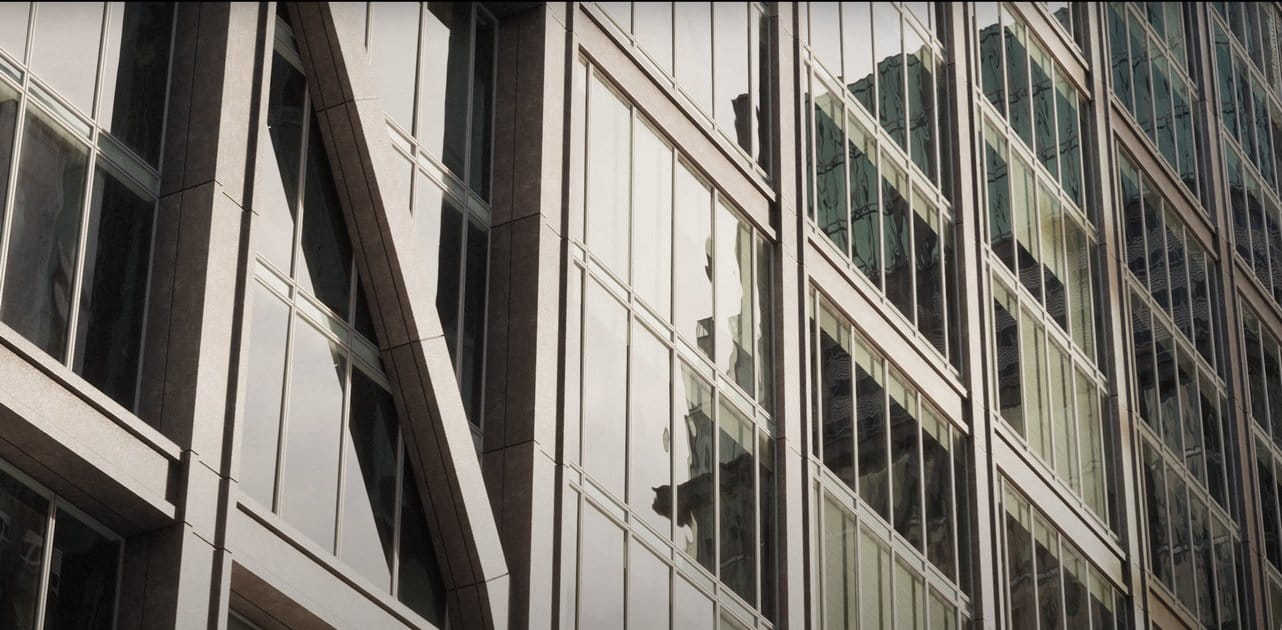
Corona 16 adds GPU-accelerated Gaussian Splat relighting and a new Parallax Interiors system that renders furnished rooms behind windows using flat geometry, cutting memory overhead for multifamily and tower facades. New AI Assistant beta helps with mood matching and scattering.
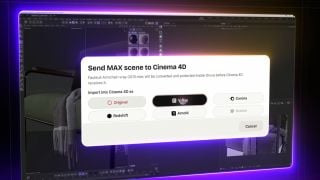
A new Windows tool reads native .max files and rebuilds V-Ray and Corona materials for target renderers, letting multi-software studios skip re-setup work.
Epic Games has made the full 23,000-asset Megascans library free on Fab indefinitely as of November 5, 2026, with refunds for 2025 purchases and new AI training rights. The Fab Standard License covers any game engine or tool without renderer lock-in.
Claude Opus 5.5, released September 22, cuts API costs by 40% and speeds output by 30%, making AI-driven scene assembly in Blender more practical for solo artists. The model excels at staging, lighting and rig fixes but not production mesh generation.
Chaos shipped V-Ray 7 Update 5 on November 5-6 with 30+ features including an embedded AI Assistant, Cosmos AI asset generation, and MCP server connections to ChatGPT and Claude. 3ds Max users face delays while Rhino and SketchUp gain immediate native AI access.
Arnold 7.5.4 adds true render pausing, expands viewport acceleration to 3ds Max and Cinema 4D, and introduces a Shader Imager for pixel-level compositing without full rerenders. GPU instance performance jumps 3x for large scene updates.
Chaos embeds AI assistants, MCP server integration with Claude and ChatGPT, 2D-to-3D asset generation, and AMD GPU support into V-Ray 7, Update 5. The update also bundles Vantage real-time ray tracing access for Collection license holders, targeting faster workflows without compromising offline render quality.
Mach9's web-based CAD software now processes drone and helicopter point clouds with automated feature extraction, cutting survey-to-model time by 40%. Export goes to DXF, DWG, LandXML and GIS formats.
Chaos shipped V-Ray 7 Update 5 on November 5-6 with 30+ features including an embedded AI Assistant, Cosmos AI asset generation, and MCP server connections to ChatGPT and Claude. 3ds Max users face delays while Rhino and SketchUp gain immediate native AI access.
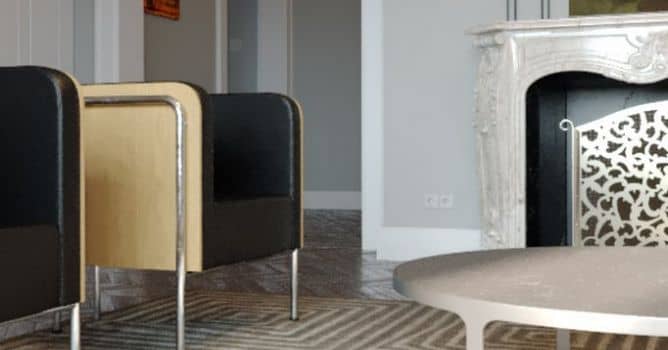
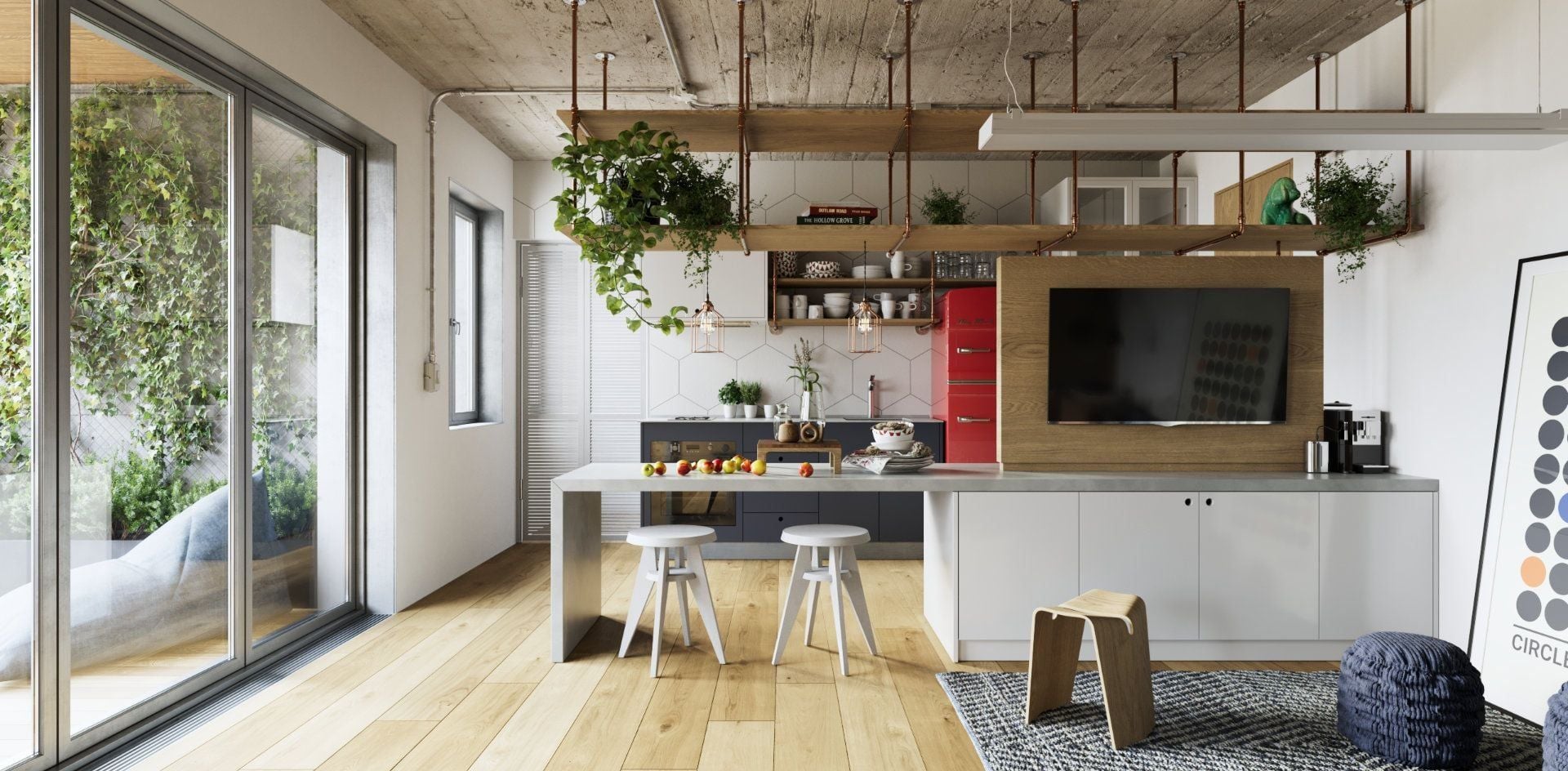
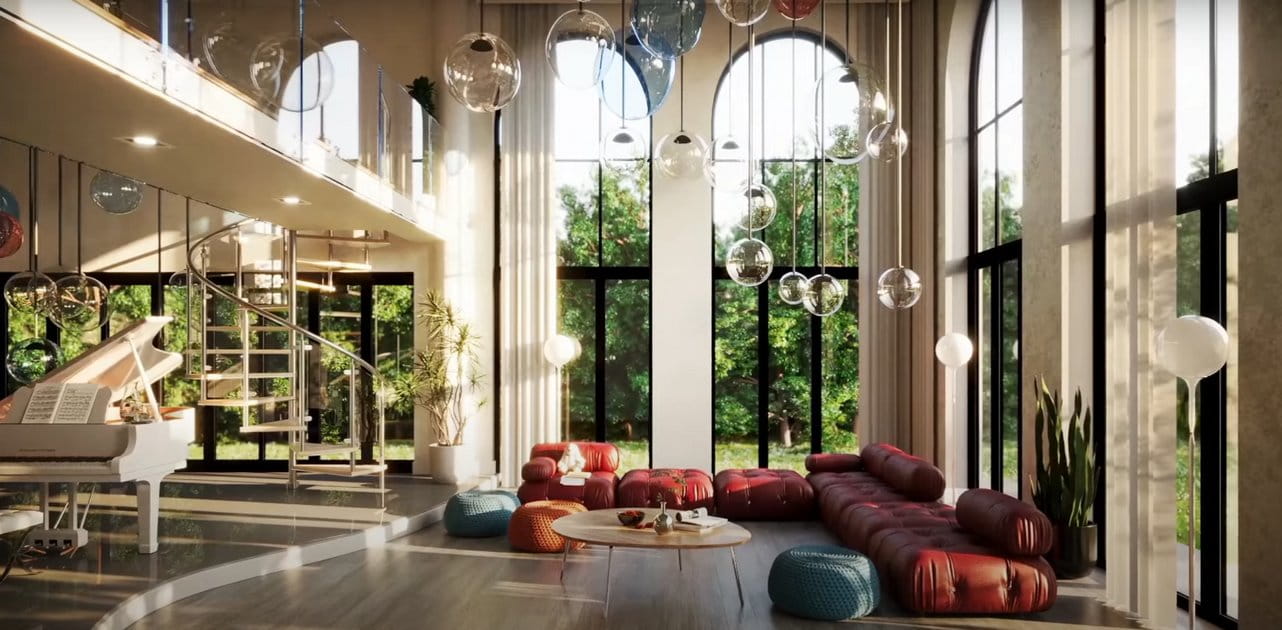
In this walkthrough, we guide you through the process of building a polished 3D interior scene inspired by the cover of Archmodels vol. 306 – Table Sets.











 Customer zone
 Your orders
 Edit account
 Add project
 Liked projects
 View your artist profile

COMMENTS