Pixelfarm has released PFTrack 2017, a significant upgrade to their matchmoving and layout software.
Features in the new version, as listed in the release notes, include.
The full functionality of PFDepth is now integrated into PFTrack.
More ways to manipulate depth maps:
Updated Z-Depth Solver node
Z-Depth Tracker, Merge, Edit, Filter, Composite and Cache nodes
Z-Depth Object node
Rotoscope-based depth editing
Ideal tool to prepare clips for z-based compositing
Extended stereo camera and image pipeline:
Build Stereo Camera node to automatically position the right-eye camera after tracking the left-eye
Stereo Disparity Solver, Disparity Adjust and Disparity-to-Depth conversion nodes
Fix common issues such as stereo keystone alignment and left/right-eye colour and focus mismatches
Render left and right-eye images from a single clip using Z-Depth data
Improvements to the User interface and productivity.
Node creation panel has been updated with nodes organised into groups to make them easier to find
New Custom node group, where commonly used nodes can be placed for quick access
Tree layouts can be saved as XML preset files to help quickly construct common sets of nodes
Tree preset XML files can be copied onto other machines or given to users to share common layouts
Extended camera support.
Added support for reading ARRI RAW media files
Camera and lens metadata is automatically read from RED and ARRI source files
ARRI metadata can also be read from DPX, OpenEXR or Quicktime ProRes files
Added support for importing custom XML metadata to the Clip Input node
All metadata is passed through the tree and can be accessed by python or export node
Advanced photogrammetry texture extraction tools
An optimized texture map can now be created automatically in the Photo Mesh node as part of the simplification process
Exposure and brightness differences in the source media can be automatically corrected to provide the best quality texture map
Exposure balanced images are automatically passed down-stream, and can be used in the Texture Extraction node for manual texture painting if required
Normal, displacement and occlusion maps can also be generated during simplification, to ensure the simplified mesh retains as much visual fidelity as possible
Normal maps support both world and Mikk tangent spaces
Occlusion maps can be generated for either the sky or local surface occlusion
Additional texture maps are exported automatically by the Export node
Experimental RGBD pipeline for depth sensors
Z-Depth data captured by external sensors can be attached to an RGB clip and passed down the tracking tree
Auto Track and User Track nodes updated to read z-depth values for trackers at each frame
Camera Solver node will use tracker z-depth values to help solve for camera motion
Can reduce drift in long shots
Can improve accuracy when tracking complicated camera movements
Provides 3D data for nodal pans
Provides a real-world scale without any additional steps
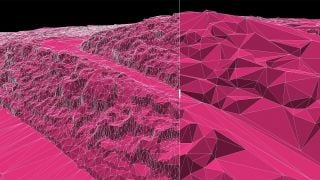
Z-Depth Mesh node can be used to convert depth maps into a coloured triangular mesh
Also of note, an iOS application is planned for release during 2017 that will allow depth data to be recorded using an iPad and the Occipital Structure Sensor capture device.
Plus many more features and fixes. Watch some sample videos and read more details about the new features on The Pixel Farm’s website.
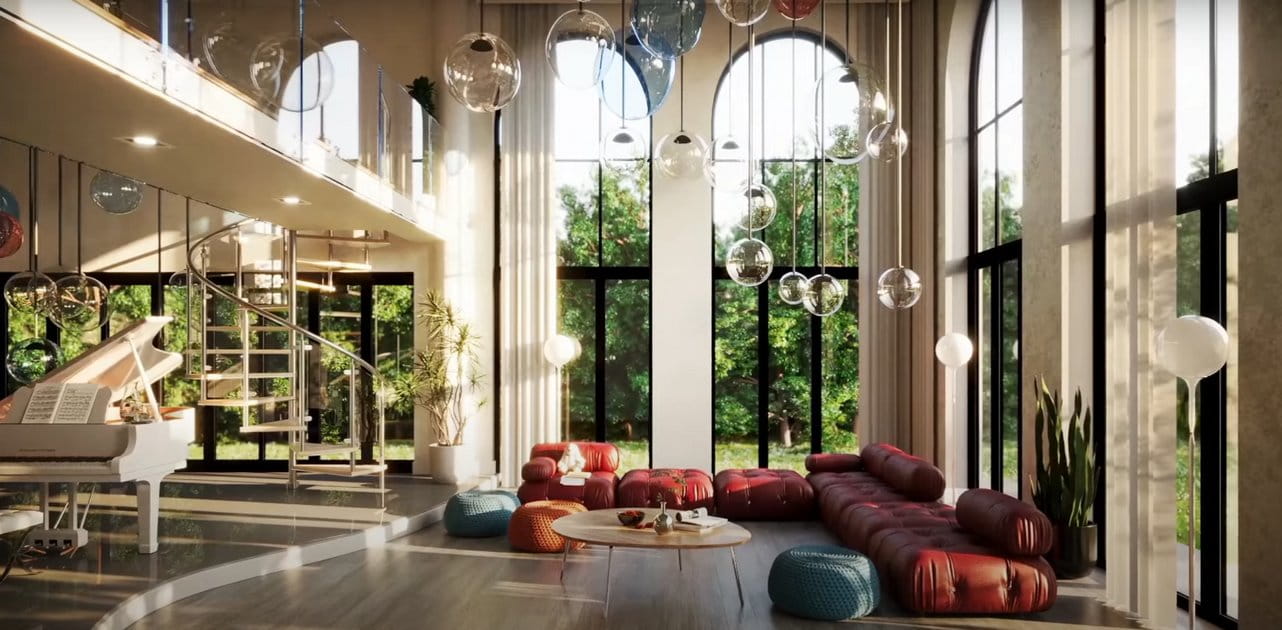
Corona 16 adds GPU-accelerated Gaussian Splat relighting and a new Parallax Interiors system that renders furnished rooms behind windows using flat geometry, cutting memory overhead for multifamily and tower facades. New AI Assistant beta helps with mood matching and scattering.
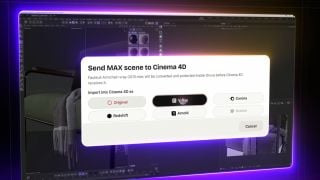
A new Windows tool reads native .max files and rebuilds V-Ray and Corona materials for target renderers, letting multi-software studios skip re-setup work.
Epic Games has made the full 23,000-asset Megascans library free on Fab indefinitely as of November 5, 2026, with refunds for 2025 purchases and new AI training rights. The Fab Standard License covers any game engine or tool without renderer lock-in.
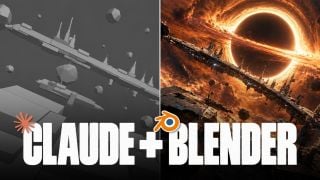
Claude Opus 5.5, released September 22, cuts API costs by 40% and speeds output by 30%, making AI-driven scene assembly in Blender more practical for solo artists. The model excels at staging, lighting and rig fixes but not production mesh generation.
Chaos shipped V-Ray 7 Update 5 on November 5-6 with 30+ features including an embedded AI Assistant, Cosmos AI asset generation, and MCP server connections to ChatGPT and Claude. 3ds Max users face delays while Rhino and SketchUp gain immediate native AI access.
Arnold 7.5.4 adds true render pausing, expands viewport acceleration to 3ds Max and Cinema 4D, and introduces a Shader Imager for pixel-level compositing without full rerenders. GPU instance performance jumps 3x for large scene updates.
Chaos embeds AI assistants, MCP server integration with Claude and ChatGPT, 2D-to-3D asset generation, and AMD GPU support into V-Ray 7, Update 5. The update also bundles Vantage real-time ray tracing access for Collection license holders, targeting faster workflows without compromising offline render quality.
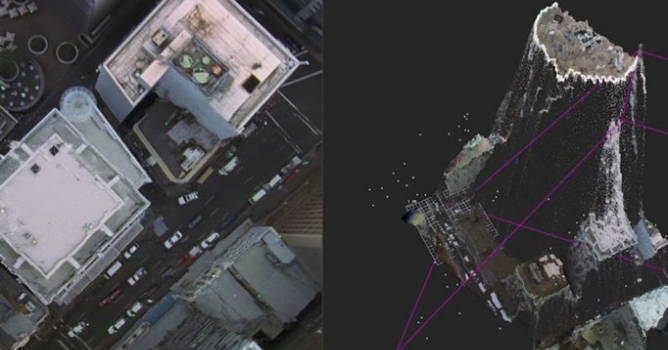
Mach9's web-based CAD software now processes drone and helicopter point clouds with automated feature extraction, cutting survey-to-model time by 40%. Export goes to DXF, DWG, LandXML and GIS formats.
A new Windows tool reads native .max files and rebuilds V-Ray and Corona materials for target renderers, letting multi-software studios skip re-setup work.
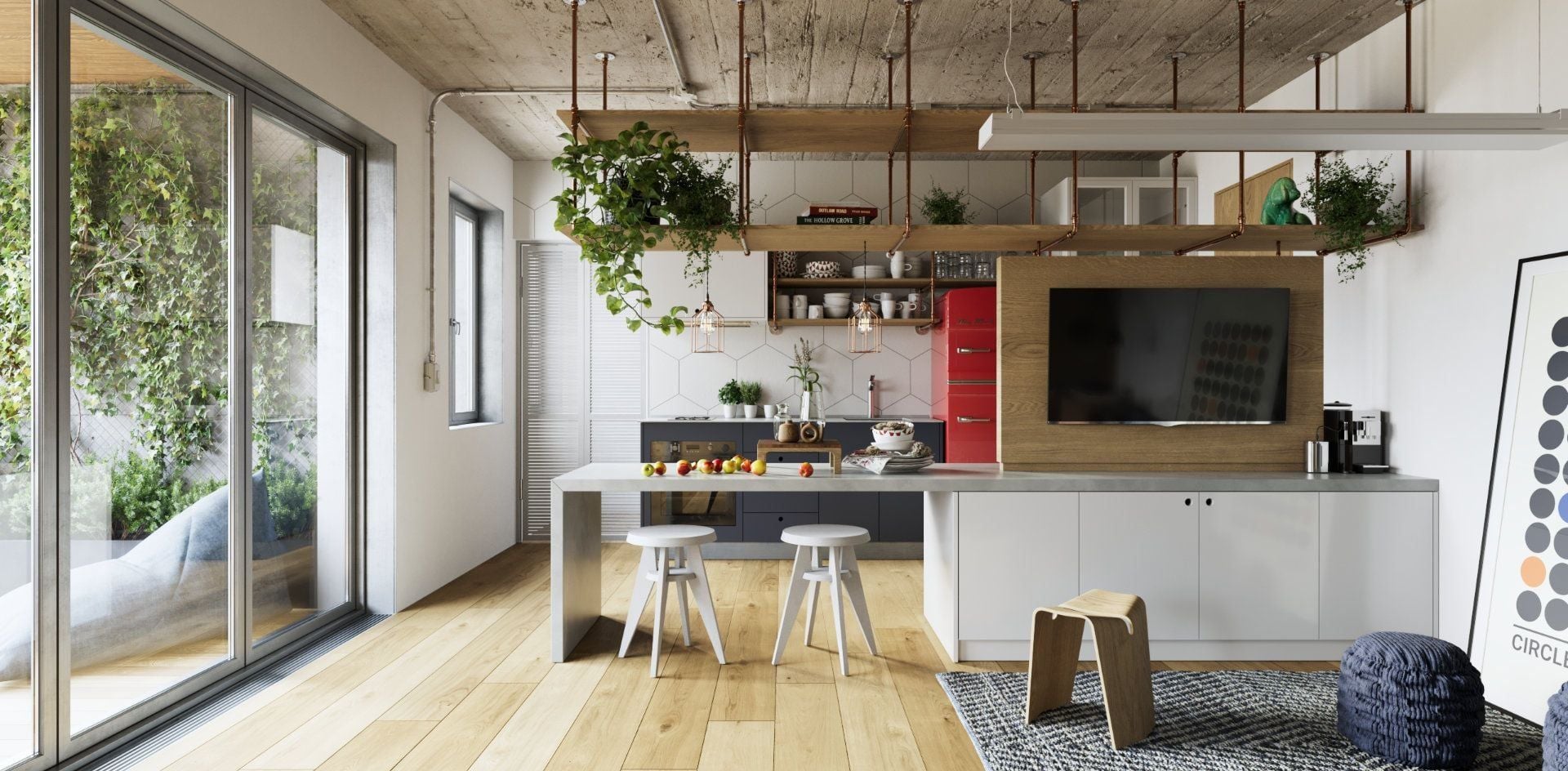
In this walkthrough, we guide you through the process of building a polished 3D interior scene inspired by the cover of Archmodels vol. 306 – Table Sets.










 Customer zone
 Your orders
 Edit account
 Add project
 Liked projects
 View your artist profile

COMMENTS