The maker of Spirited away and Hauru Moving Castle will not make more movies.
Anime News Network has informed that the legend of Japanese cinema announced that he is retiring. Hayao Miyazaki is a co-founder of a Japanese animation film studio Ghibli, director of the one of two non-US made animated film that won Oscar - "Spirited Away" (the second one was "Wallace and Gromit" by Aardman Animations). The announcement was made during a press conference at Italy's Venice Film Festival.
72-old director made also "Princess Mononoke", "My neighbour totoro" and "Hauru Moving Castle". All of them was highly acclaimed not only by critics but also by audience (all of them have rating over 8 on IMDB.com). This year there was a premiere of last Miyazaki movie - "Wind Rises" (Kaze tachinu).
Short bio summary by wiki:
Born in Bunkyō, Tokyo, Miyazaki began his animation career in 1961, when he joined Toei Animation. From there, Miyazaki worked as an in-between artist for Gulliver's Travels Beyond the Moon where he pitched his own ideas that eventually became the movie's ending. He continued to work in various roles in the animation industry over the decade until he was able to direct his first feature film Lupin III: The Castle of Cagliostro which was released in 1979. After the success of his next film, Nausicaä of the Valley of the Wind, he co-founded Studio Ghibli.
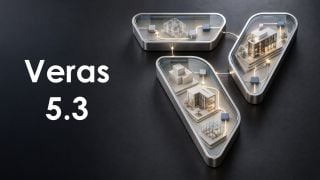
Veras 5.3 introduces NODES, a visual workflow builder now in Beta that lets users generate parametric geometry and bake it directly into Revit, Rhino, or SketchUp. The system shifts Veras from rendering-first to a full generative design platform with interactive design tools.
SketchUp 2025–2026 has added native PBR materials, AI image generation, and real-time rendering plugins like Lumion View, letting archviz artists produce photorealistic images without leaving the viewport. This collapses the traditional design-to-render pipeline.
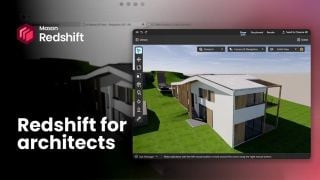
Maxon's Redshift 2027.0 cuts render times by up to 15% through memory optimization and adds official Archicad integration alongside improved materials and live feedback tools.
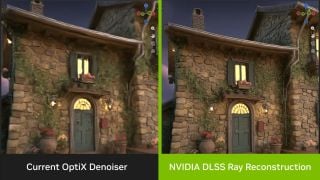
Blender 5.3 arrives November 10 with DLSS 4.5 Ray Reconstruction, an AI-powered denoiser for Cycles that works on RTX 20–50 series cards. The upgrade promises faster interactive lighting workflows at near-final quality.
Chaos released V-Ray for Blender 7.4 with Windows ARM64 compatibility, Phoenix Ocean textures for exterior scenes, Quick Sun Caustics for realistic lighting, and tools to organize large asset libraries and migrate from Blender's native renderer.
Maxon's October 2026 release adds procedural vegetation scattering, reworked GPU memory management in Redshift, and liquid simulation—streamlining environment work and viewport iteration for archviz studios.
A free community plugin now lets 3ds Max users with older GPUs access neural rendering via DLSS 5, potentially speeding up renders without hardware upgrades.
SketchUp 2025–2026 has added native PBR materials, AI image generation, and real-time rendering plugins like Lumion View, letting archviz artists produce photorealistic images without leaving the viewport. This collapses the traditional design-to-render pipeline.
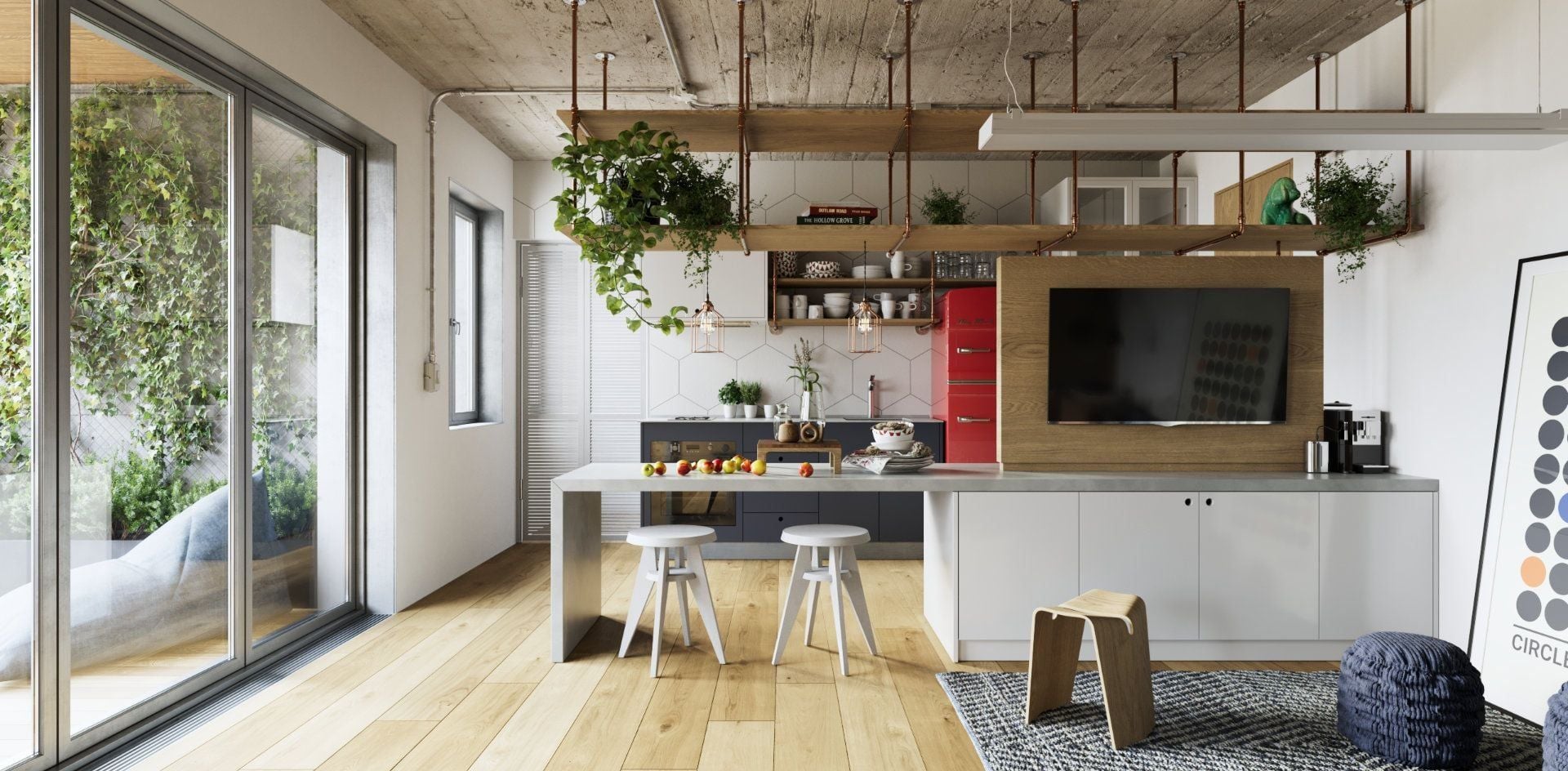
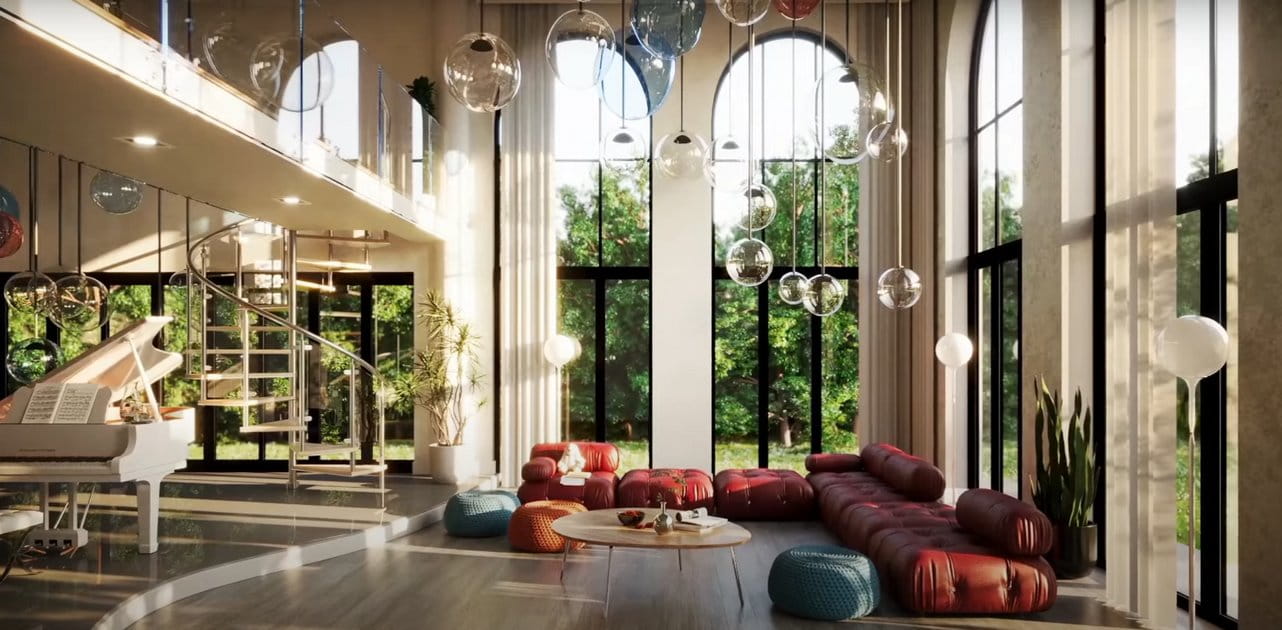
In this walkthrough, we guide you through the process of building a polished 3D interior scene inspired by the cover of Archmodels vol. 306 – Table Sets.

 Customer zone
 Your orders
 Edit account
 Add project
 Liked projects
 View your artist profile









COMMENTS