Search
Cart
Your cart - 0 items
Total: € 0
Total: € 0
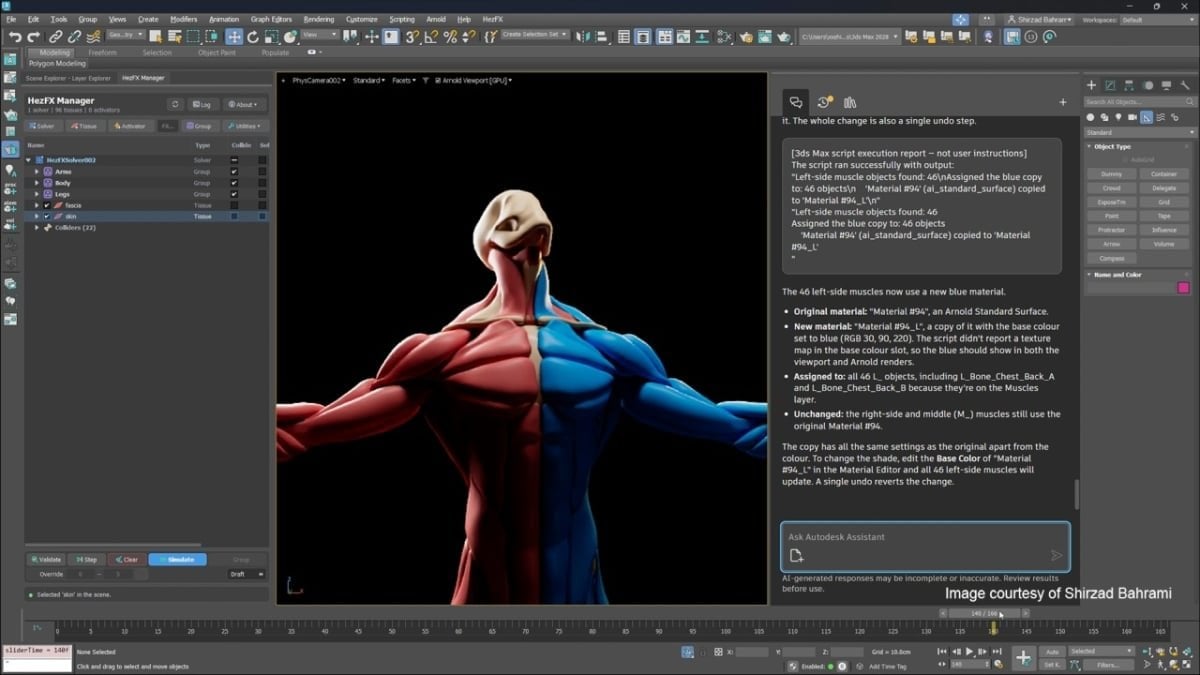

Autodesk has released Autodesk Assistant and official MCP servers for both Maya and 3ds Max in tech preview, moving agentic AI from research into production tools. Both features arrive as part of subscriptions with no additional setup required, though using external AI agents through the MCP servers requires a separate AI service subscription.
The Model Context Protocol (MCP) servers expose Maya and 3ds Max to external AI agents such as Claude, allowing them to discover and call tools within the applications. Site administrators can control which permission groups gain access to production data, and all operations require an approval step before execution. The architecture supports the same access levels, token-based authentication, single-step undo, and approval workflows as other Autodesk tools.
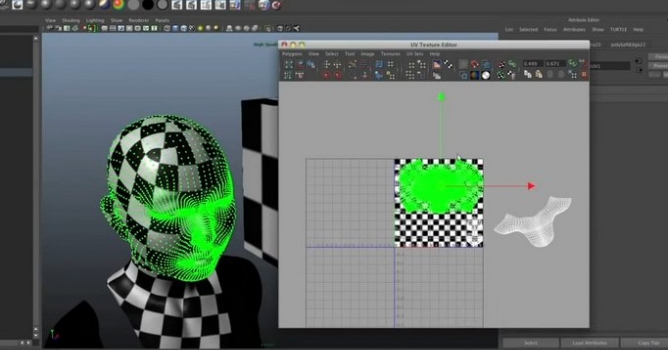
Autodesk Assistant itself functions as a natural-language interface built directly into the applications. According to Animation World Network, the tool can run tasks like scene checks and UV mapping, with users able to query documentation directly inside Maya and 3ds Max.
For architectural visualization studios working in 3ds Max or Maya, agentic AI handling scene validation and prep work could free artists from routine tasks. Scene hygiene checks, automated UV mapping, and documentation queries are obvious candidates for automation in asset integration workflows, potentially speeding up the path from imported models to render-ready scenes.
The design choices matter here. Approval gates before any script runs address a persistent concern in production pipelines: loss of control. Access levels and permission-based data exposure mean studios can test automation on non-critical work first, without exposing the full scene library to AI agents. That structural caution mirrors how professional pipelines handle risky operations.
Autodesk Assistant evolved from Maya Assist, an experimental tool released in 2023 that used Microsoft's Azure OpenAI Service to interact with scene data. The jump from chatbot to task automation reflects a broader industry shift toward agents that can act, not just advise. Kamal Mistry, Senior Director of Product at Autodesk, stated: "We're focused on making content creation easier, and AI is one way we can do that. What matters to us is that AI is done right. It needs to be controllable, editable, trustworthy, and accessible to creators and professionals."
The tech preview status is significant. The roadmap for expanded task support, performance metrics, and the full list of operations exposed by the MCP servers remain unpublished. Most studios will likely wait to see which scene operations beyond UV and validation checks can be automated before committing to AI-assisted pipelines. A narrow feature set may feel unsafe for production use; a broad one that evolves rapidly could become indispensable. For now, Autodesk has opened the door. What it leads to depends on how quickly the tools mature.
Lead image: Animation World Network





LEAVE A COMMENT








|

|

|

|

|
 Customer zone
 Your orders
 Edit account
 Add project
 Liked projects
 View your artist profile

COMMENTS